Mock jury work is one of the few side gigs where you can genuinely earn $200 to $500 in a single weekend — and the barrier to entry is remarkably low. Trial attorneys and jury consultants need everyday people, not legal experts, to sit through case presentations and deliver honest reactions before real trials begin. MFORCE Research, for example, recently recruited mock jurors in downtown Chicago for a two-day trial running 8 AM to 6:30 PM each day, paying $500 for completing both days or $200 if released after day one. That kind of payout for a weekend of listening and deliberating is hard to match in the gig economy.
The catch is that not all mock jury work pays at that level. The industry spans everything from quick online case reviews paying $5 to $10 on platforms like eJury, all the way up to full-day in-person sessions through firms like OnlineVerdict that can pay $150 to $700. Where you fall on that spectrum depends on whether you’re willing to show up in person, which city you live in, and how many platforms you’re registered with. This article breaks down exactly how mock jury pay works across different formats, which platforms are actively recruiting, what realistic income looks like month to month, and how to position yourself for the higher-paying weekend opportunities.
Table of Contents
- How Much Do Weekend Mock Jury Opportunities Actually Pay?
- Which Platforms Are Actively Recruiting Mock Jurors Right Now?
- Where Are the Highest-Paying Mock Jury Jobs Located?
- How to Maximize Your Earnings as a Mock Juror
- Tax Implications and Independent Contractor Status
- What to Expect During a Mock Trial Session
- The Growing Demand for Mock Jurors
- Conclusion
- Frequently Asked Questions
How Much Do Weekend Mock Jury Opportunities Actually Pay?
The $200 to $500 range that gets thrown around in mock jury discussions is real, but it specifically applies to full-day and multi-day in-person sessions. These typically run from 8 AM to 5 PM, sometimes longer, and involve listening to abbreviated versions of both sides of a legal case, filling out questionnaires, and participating in deliberations. ZipRecruiter listings for mock jury jobs show hourly rates ranging from $12 to $103 as of February 2026, which at the upper end aligns with those full-day payouts. The most common range for a standard full-day in-person mock trial falls between $150 and $700, with $200 to $500 representing the sweet spot most participants actually receive. The format matters enormously for your paycheck.
Online case reviews through platforms like eJury pay just $5 to $10 per case and take 30 to 60 minutes. OnlineVerdict bumps that to $20 to $60 for online reviews and $75 to $700 for virtual or in-person work. Virtual Zoom mock trials — which became far more common after 2020 — typically pay $75 to $700 per session and last anywhere from two to ten hours on a scheduled date. The jump from online to in-person is dramatic: JurySolutions pays roughly $20 per hour for up to eight hours, working out to about $160 per day, while GT Research offers $135 to $150 per day for in-person sessions. If you’re specifically chasing weekend-level payouts, you need to be saying yes to in-person and longer virtual sessions.

Which Platforms Are Actively Recruiting Mock Jurors Right Now?
Several legitimate platforms are currently signing up mock jurors, each with its own pay structure and format. onlineVerdict is the largest, with over 900,000 registered jurors, paying $30 to $60 for online reviews and $75 to $700 for virtual and in-person trials. They require U.S. citizenship, minimum age of 18, and pay via check, issuing a 1099 if your earnings exceed $600 in a year. FirstCourt conducts trials nationwide — from Los Angeles to Boston, Seattle to Miami — and pays $75 to $125 for two- to three-hour online sessions or roughly $175 in cash for full-day in-person trials, with payment via PayPal or check within seven days. For lower-commitment online work, eJury pays $5 to $10 per case via PayPal, and JuryTest offers $20 to $50 per virtual trial.
Resolution Research has a wider range, paying $5 to $400 per case depending on complexity, which means some of their more involved cases approach weekend-level payouts. LegalFocusGroup advertises a base rate of $15 per hour but typically offers $20 or more. SignUpDirect comes in around $12 per hour for legal research participation. However, registering on one platform and waiting for invitations is a recipe for disappointment. The honest reality is that most online-only mock jurors earn roughly $50 per year because case availability is limited on any single platform. If you’re only signed up with eJury doing $5 cases, you’re not going to see meaningful income. The people who earn $100 to $300 per month are registered across multiple platforms and consistently accept the longer, in-person sessions that most other registered jurors decline.
Where Are the Highest-Paying Mock Jury Jobs Located?
Geography is one of the biggest factors in mock jury income, and it’s one nobody can change overnight. In-person opportunities pay significantly more than online work, but they’re heavily concentrated in major metropolitan areas. Dallas, Los Angeles, New York, and Chicago generate the most case volume by a wide margin. This makes sense — these cities have the densest populations of trial lawyers, the busiest courts, and the highest-stakes litigation that justifies spending money on jury research.
The Chicago example from MFORCE Research illustrates this perfectly. A $500 two-day mock trial in downtown Chicago is a reasonable opportunity for someone who lives in or near the city. But if you’re in rural Nebraska, you’re limited to online case reviews and occasional virtual sessions unless you’re willing to travel. FirstCourt does conduct trials in a range of cities, including some mid-size markets, but the frequency drops off sharply outside the top metros. If you happen to live in one of those major cities, you have a built-in advantage: most registered jurors decline in-person invitations, which means less competition and better odds of being selected for the sessions that pay $200 or more.

How to Maximize Your Earnings as a Mock Juror
The single most effective strategy is also the simplest: say yes to in-person sessions. Most people who register for mock jury panels treat it as a passive online activity and skip any invitation that requires showing up somewhere. That’s an advantage for you. When a jury consulting firm needs 30 mock jurors for a Saturday session and only a fraction of their registrant pool is willing to come in, your odds of selection go up dramatically. The tradeoff is real — you’re committing a full day, sometimes two — but the pay differential between a $10 online case review and a $300 in-person trial makes that math straightforward.
Beyond showing up, diversifying your registrations is essential. Sign up for OnlineVerdict, FirstCourt, eJury, JuryTest, JurySolutions, Resolution Research, LegalFocusGroup, GT Research, and SignUpDirect. Each platform serves different law firms and different case types, so casting a wide net increases the frequency of invitations. Complete your demographic profile thoroughly on every platform — jury consultants select panelists based on age, marital status, ethnicity, employment status, and other demographic factors. An incomplete profile means you won’t match their criteria searches, even if you’d be a perfect fit. The comparison here is telling: a person registered on one platform doing only online reviews might earn $50 a year, while someone registered on eight platforms who accepts in-person work in a major city could realistically pull in $100 to $300 a month.
Tax Implications and Independent Contractor Status
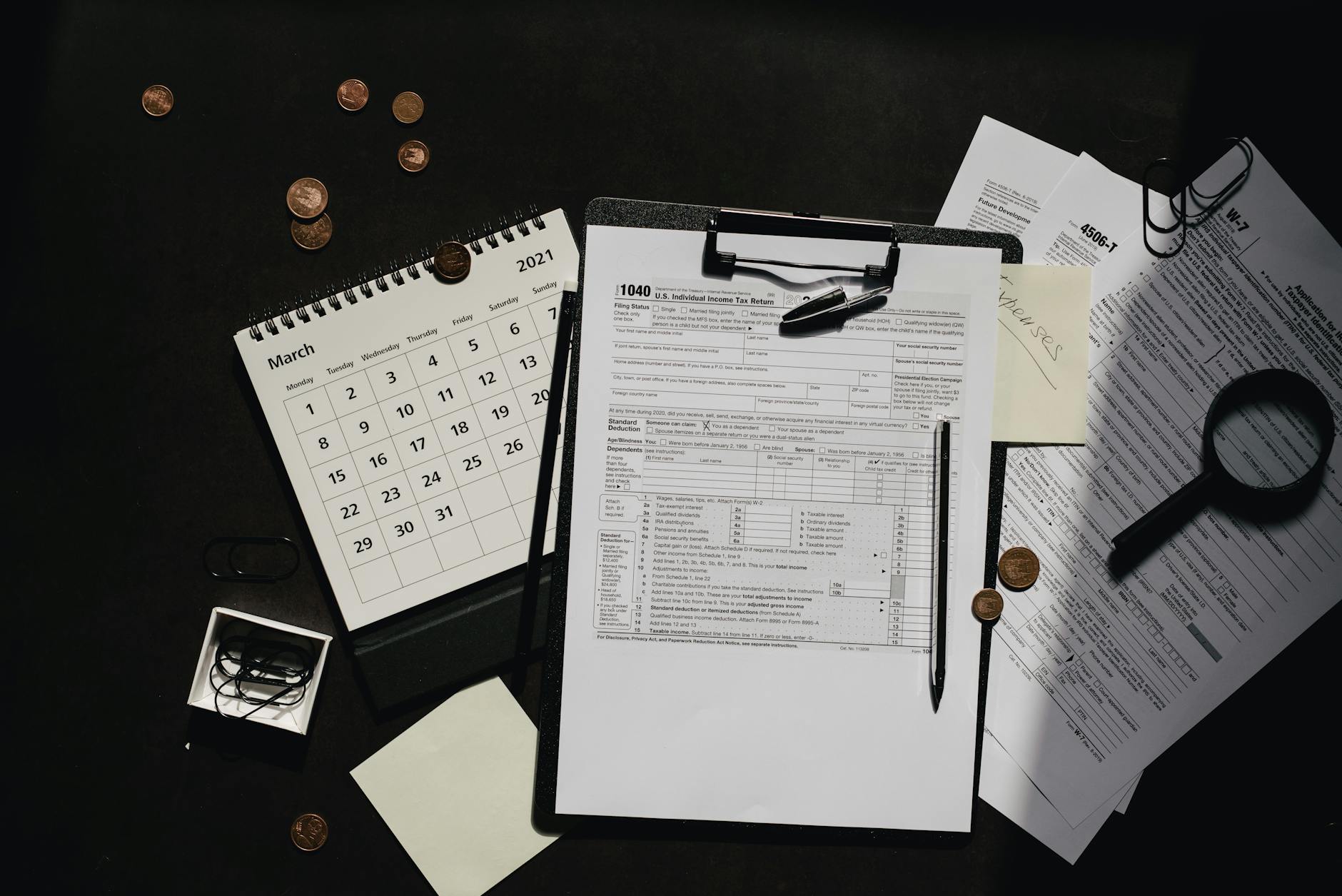
One aspect that catches new mock jurors off guard is the tax situation. You are an independent contractor in these arrangements, not an employee. No taxes are withheld from your payments. Platforms like OnlineVerdict will issue a 1099 if your earnings exceed $600 in a calendar year, but you’re technically responsible for reporting all income regardless of whether you receive a 1099. This matters more than people realize if you’re earning consistently.
Someone pulling in $200 to $300 per month from mock jury work is looking at $2,400 to $3,600 annually — well above the 1099 threshold and enough to create a real tax liability if you haven’t set anything aside. You may also owe self-employment tax on top of income tax. The limitation here isn’t unique to mock jury work — it applies to any independent contractor gig — but it’s worth factoring into your actual take-home calculations. A $500 mock trial weekend doesn’t net you $500. Depending on your tax bracket, your effective take-home might be closer to $350 to $400 after accounting for federal and state income taxes plus self-employment tax. Keep records of any expenses related to mock jury participation, including transportation and parking for in-person sessions, as these may be deductible.
What to Expect During a Mock Trial Session
A typical full-day in-person mock trial starts around 8 AM and wraps up by 5 PM, though some run longer. You’ll hear condensed versions of opening statements, witness testimony, and closing arguments from attorneys representing both sides of a case. These aren’t actual trials — the attorneys are testing their strategies, arguments, and presentation styles to see how ordinary people react before the real thing. You’ll fill out questionnaires throughout the day, and many sessions end with a group deliberation that the legal team observes or records.
The experience is more engaging than most paid research studies. You’re wrestling with real legal questions — liability in a car accident, damages in a medical malpractice case, patent disputes between corporations. FirstCourt, for example, runs sessions ranging from focused two- to three-hour online presentations to full-day in-person trials. The shorter sessions test specific arguments or evidence, while the longer ones simulate the full trial experience. If you’re someone who enjoys thinking through complex problems and forming opinions on gray-area situations, mock jury work can feel less like a side gig and more like genuinely interesting volunteer work that happens to pay well.
The Growing Demand for Mock Jurors
The mock jury industry has been expanding steadily, with demand for jury consultants projected to grow 8 percent through 2025, driven by increasing legal complexity and high-stakes litigation. As lawsuits involve larger sums, more technical subject matter, and higher public scrutiny, attorneys are more willing to invest in pre-trial research. That translates directly into more opportunities for paid mock jurors.
The shift toward virtual participation has also broadened the pool of available work. Platforms like JuryTest and OnlineVerdict now offer Zoom-based sessions that pay $75 to $700, making higher-paying opportunities accessible to people outside major metro areas. While in-person work still commands the top rates, the gap has narrowed enough that a dedicated participant combining virtual and in-person sessions across multiple platforms can build a meaningful and consistent income stream. This isn’t going to replace a salary, but for weekend side income with no special skills required, few gigs offer a comparable rate of return for your time.
Conclusion
Mock jury work sits in an unusual spot in the side income landscape — it pays well for relatively straightforward participation, but the earnings depend heavily on your willingness to show up in person and your proximity to major legal markets. The $200 to $500 weekend range is real and achievable, particularly through firms like MFORCE Research, OnlineVerdict, and FirstCourt, but it requires active engagement across multiple platforms rather than passive waiting. Online-only participants should set expectations accordingly, as $50 per year is a more honest estimate for casual, single-platform use.
If you’re serious about mock jury work as a side income source, the path forward is clear: register on every legitimate platform available, complete your demographic profiles in full, accept in-person invitations whenever feasible, and understand that you’re operating as an independent contractor with corresponding tax obligations. People who treat this as an active side gig rather than a set-it-and-forget-it registration tend to see the best results. The demand is growing, the work is genuinely engaging, and the pay — when you land the right sessions — is hard to beat for a weekend commitment.
Frequently Asked Questions
Do I need any legal background to be a mock juror?
No. Attorneys specifically want people without legal training because they need reactions from ordinary citizens who mirror the actual jury pool. All you need is U.S. citizenship and to be at least 18 years old. Most platforms ask you to complete a demographic profile covering your date of birth, marital status, ethnicity, and employment, but there are no education or experience requirements.
How quickly do mock jury platforms pay after a session?
It varies by platform. FirstCourt pays via PayPal or check within seven days. eJury pays through PayPal after each completed case review. OnlineVerdict pays by check, which can take longer to arrive. For in-person sessions, some firms pay cash at the end of the day while others mail checks within one to two weeks.
How often will I actually get invited to participate?
This is where expectations need a reality check. On any single platform, invitations may come only a few times per year. Online case reviews through eJury or JuryTest tend to be more frequent but pay less. In-person opportunities are less common but pay far more. Registering across multiple platforms — OnlineVerdict, FirstCourt, eJury, JuryTest, JurySolutions, Resolution Research, and others — significantly increases your invitation frequency.
Can I do mock jury work if I don’t live in a major city?
Yes, but your options and earning potential will be more limited. Online case reviews and virtual Zoom sessions are available regardless of location. However, the highest-paying in-person opportunities are concentrated in Dallas, Los Angeles, New York, and Chicago. If you live within reasonable driving distance of a major metro area, you can still access in-person work, but rural participants will rely primarily on virtual and online formats.
Will mock jury income affect my taxes?
Yes. You’re classified as an independent contractor, so no taxes are withheld from your payments. Platforms like OnlineVerdict issue a 1099 form if your annual earnings exceed $600, but you’re responsible for reporting all mock jury income regardless of the amount. You may owe both income tax and self-employment tax, so it’s wise to set aside 25 to 30 percent of your earnings for taxes.