
Vaccine clinical trials have historically paid participants anywhere from $200 for a single-visit antibody study to $2,500 or more for multi-phase trials requiring repeated injections, blood draws, and follow-up appointments over several months. The compensation varies widely depending on the vaccine type, the number of required visits, the trial phase, and the sponsoring pharmaceutical company.
For example, a Phase III influenza vaccine trial might compensate participants around $500 to $1,000 for four to six visits over a few months, while an early-phase trial for a novel pathogen vaccine could pay significantly more due to the greater time commitment and perceived risk involved. This article breaks down how vaccine clinical trial compensation actually works in 2026, where to find legitimate trials currently recruiting, what to expect during the screening and participation process, and how to evaluate whether a particular study is worth your time. We also cover the differences between trial phases, what disqualifies people from participating, and how to avoid scam listings that promise large payouts but waste your time or compromise your personal information.
Table of Contents
- How Much Do Vaccine Clinical Trials Actually Pay in 2026?
- Where to Find Legitimate Vaccine Trials Recruiting Right Now
- What Happens During a Vaccine Clinical Trial — From Screening to Final Visit
- How to Evaluate Whether a Vaccine Trial Is Worth Your Time
- Common Disqualifiers and Risks You Should Know About
- Avoiding Scams and Low-Quality Trial Listings
- The Outlook for Vaccine Trial Opportunities Going Forward
- Conclusion
- Frequently Asked Questions
How Much Do Vaccine Clinical Trials Actually Pay in 2026?
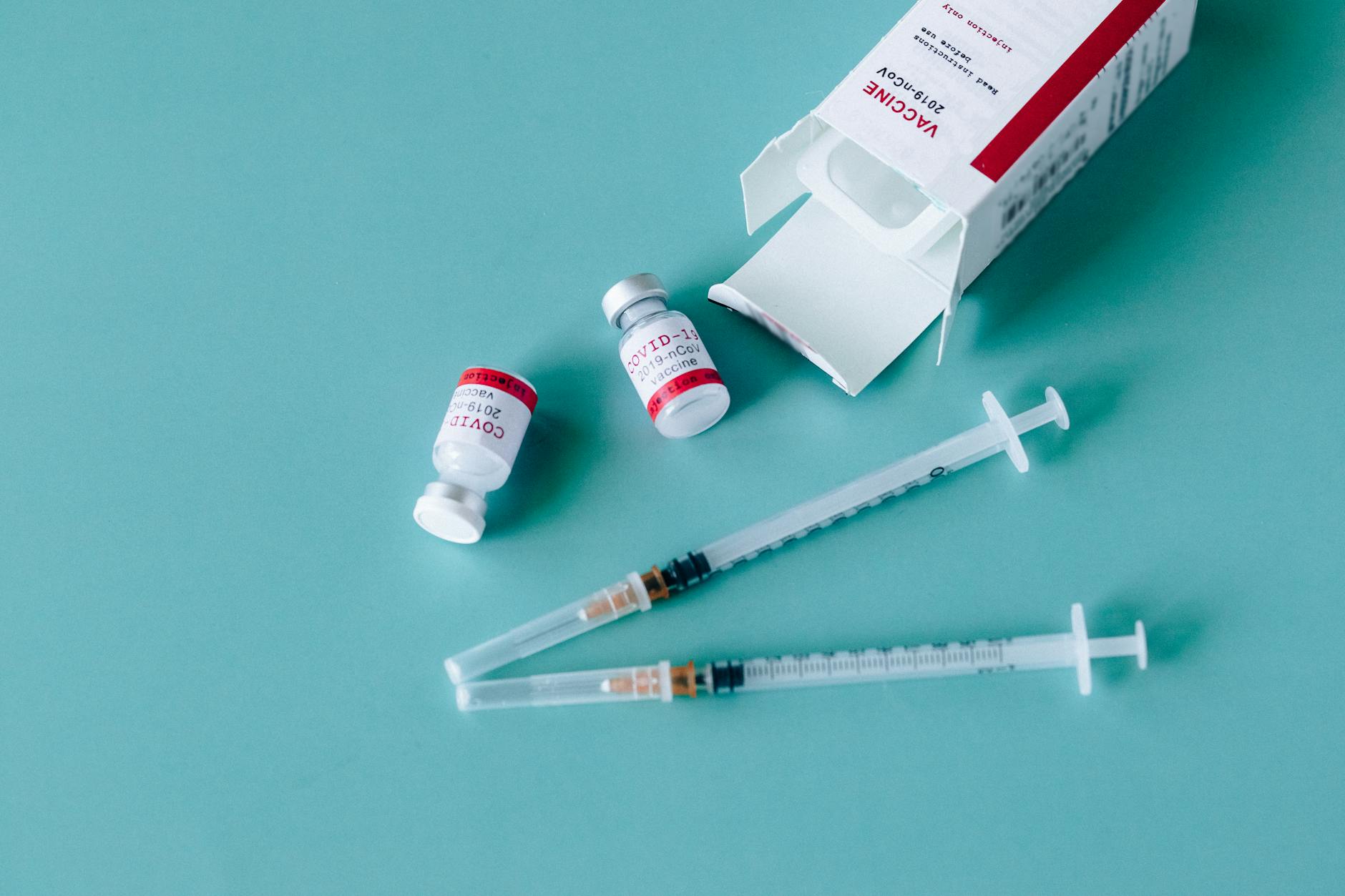
Compensation for vaccine clinical trials is not a flat fee — it is almost always structured around the number of visits, procedures, and total time commitment required. A straightforward trial that involves one vaccination and two follow-up visits might pay $200 to $400 total. A more involved study requiring monthly visits over six months, with blood draws at each appointment, could pay $1,200 to $2,000. The highest-paying vaccine trials tend to be phase I studies, where the vaccine is being tested in humans for the first time. These often require longer observation periods and more frequent clinic visits, pushing compensation toward the $2,000 to $2,500 range or occasionally higher. It is worth noting that these figures are based on historical compensation ranges and publicly listed trial stipends from recent years.
Actual amounts in 2026 may vary depending on the sponsor, the geographic region, and the current demand for participants. Trials conducted at research hospitals in major metropolitan areas sometimes pay more than those at smaller regional clinics, partly because the cost of living is higher and partly because recruiting participants in urban areas can be more competitive. One important comparison: vaccine trials generally pay less per visit than inpatient drug studies, which can require overnight stays. However, vaccine trials are far less disruptive to your daily life since most visits take one to three hours. The payment is typically distributed across the study rather than given as a lump sum. You might receive $75 per visit, with a completion bonus of $150 to $300 if you finish all scheduled appointments. If you drop out early, you keep whatever you have earned up to that point, but you forfeit the completion bonus. Some trials also reimburse travel expenses or parking costs on top of the stated compensation.
Where to Find Legitimate Vaccine Trials Recruiting Right Now
The most reliable source for finding vaccine clinical trials is ClinicalTrials.gov, the federal database maintained by the National Institutes of Health. You can search by condition, keyword, or location, and filter specifically for studies that are actively recruiting. Typing “vaccine” into the search bar and filtering by “recruiting” status will return dozens to hundreds of results depending on the current research landscape. Each listing includes the study sponsor, eligibility criteria, locations, and contact information. Beyond ClinicalTrials.gov, several research networks maintain their own recruitment portals. Sites like Velocity Clinical Research, ICON, and Meridian Clinical Research operate vaccine trial sites across the United States and frequently post openings on their websites.
University medical centers — particularly those with dedicated vaccine research units like Emory, Duke, Baylor, and the University of Maryland — also recruit directly through their own channels. However, if a trial listing appears only on a third-party website and cannot be cross-referenced on ClinicalTrials.gov or a recognized research institution’s page, treat it with skepticism. Legitimate trials are almost always registered on the federal database, and sponsors who skip this step may not be operating under proper regulatory oversight. One limitation to be aware of: many trial listings remain visible on ClinicalTrials.gov even after enrollment has closed, and the status updates can lag by weeks or months. If a trial says “recruiting” but you cannot reach the study coordinator or receive no callback, it may already be full. Contacting the site directly by phone rather than relying on online forms tends to yield faster responses.
What Happens During a Vaccine Clinical Trial — From Screening to Final Visit
The process begins with a screening visit, which itself is often compensated at $50 to $100. During screening, the research team reviews your medical history, performs a physical exam, draws blood, and determines whether you meet the study’s inclusion criteria. This visit can take two to four hours. Not everyone who screens will qualify — disqualification rates vary, but it is common for 30 to 50 percent of screened volunteers to be deemed ineligible for reasons like pre-existing conditions, medication use, or lab values that fall outside the study’s parameters. If you qualify and enroll, the trial itself follows a structured schedule. For a typical vaccine study, the first active visit involves receiving the vaccine (or a placebo — many vaccine trials are randomized and blinded, meaning you may not know which you received).
After vaccination, you will likely be observed in the clinic for 30 minutes to two hours to monitor for immediate reactions. Over the following days, you may be asked to record symptoms in a diary or through an electronic app. Subsequent visits usually involve blood draws to measure your immune response, along with check-ins about any side effects. For example, a published protocol for a shingles vaccine trial required seven clinic visits over 12 months: screening, vaccination day, then follow-ups at one week, one month, three months, six months, and 12 months. Total compensation for completing all visits was approximately $1,100. The time commitment per visit ranged from 45 minutes for a routine blood draw to three hours for the vaccination day with the observation period.
How to Evaluate Whether a Vaccine Trial Is Worth Your Time
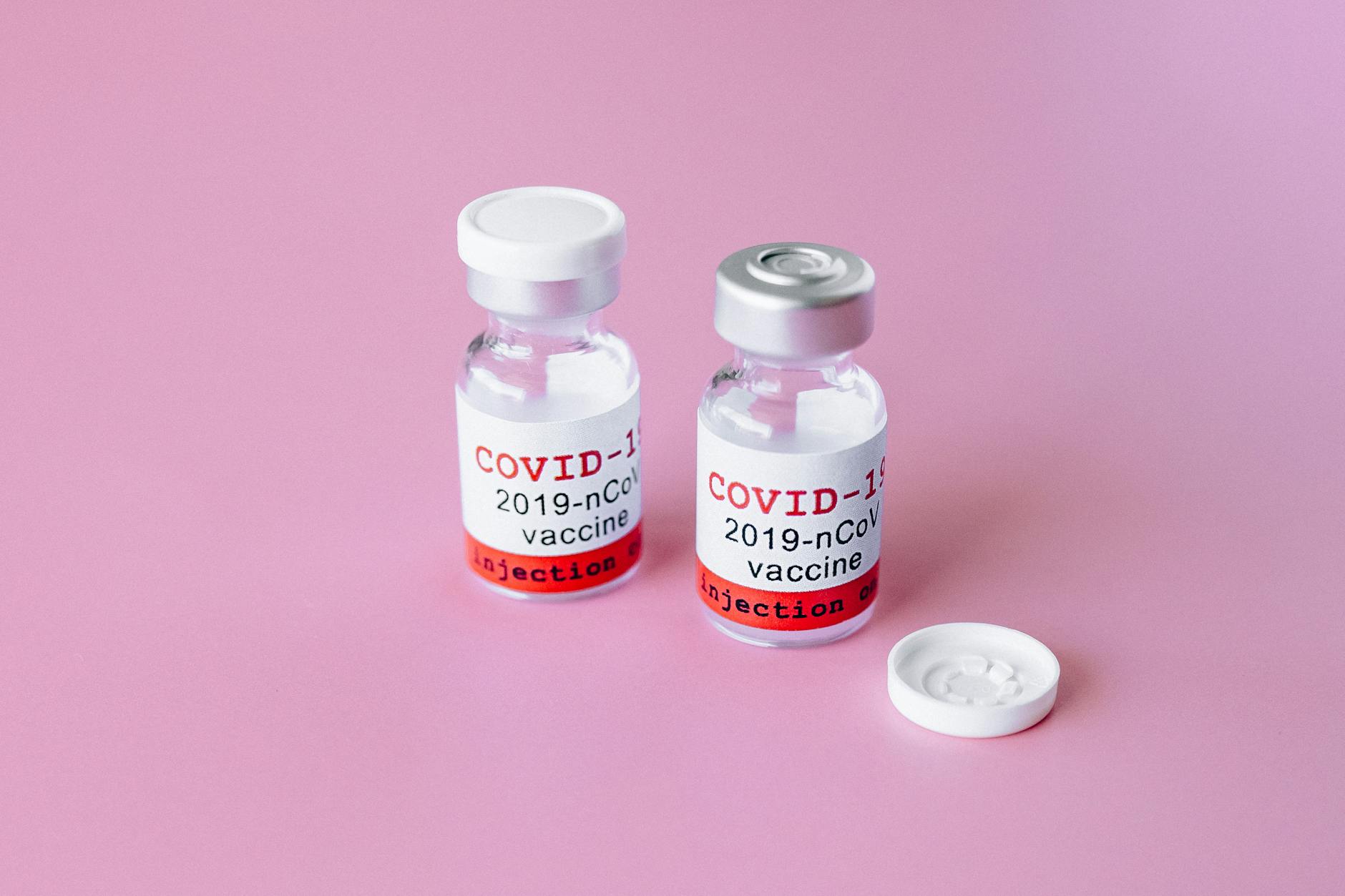
The math on clinical trial compensation is not always as attractive as it looks in the headline number. A trial advertising $1,500 in total compensation sounds appealing until you realize it requires 10 visits over eight months, each taking two to three hours plus travel time. At that point, you are earning roughly $150 per visit before accounting for transportation, parking, and the time spent in waiting rooms. Depending on your hourly wage and how far the clinic is from your home or workplace, the effective rate might be lower than you would accept for other paid research opportunities like focus groups or in-depth interviews, which often pay $100 to $300 for a single session. That said, vaccine trials offer something most focus groups do not: access to medical screening and monitoring at no cost. The blood work, physical exams, and specialist consultations provided during a trial would cost hundreds or even thousands of dollars out of pocket.
For uninsured or underinsured participants, this can be a genuine benefit. Some participants have discovered previously undiagnosed conditions during trial screening — high cholesterol, thyroid abnormalities, or vitamin deficiencies — that they were then able to address with their own doctors. The tradeoff is the commitment. Dropping out of a vaccine trial midway through means forfeiting completion bonuses and potentially receiving a vaccine with unknown long-term efficacy without the benefit of continued monitoring. If you are considering a trial, map out every required visit on your calendar before enrolling and honestly assess whether you can make each appointment. Study coordinators will tell you that participant dropout is one of the biggest challenges in vaccine research, and they appreciate enrollees who follow through.
Common Disqualifiers and Risks You Should Know About
The eligibility criteria for vaccine trials can be surprisingly narrow. Common disqualifiers include autoimmune disorders, immunosuppressive medications (including certain biologics for conditions like psoriasis or rheumatoid arthritis), pregnancy or plans to become pregnant during the study period, recent participation in another clinical trial (usually within the past 30 to 90 days), and allergies to vaccine components. Age restrictions also apply — some trials recruit only adults 18 to 45, while others specifically target older adults aged 60 and above. The risks of participating in a vaccine trial are generally modest but real. The most common side effects mirror those of approved vaccines: injection site pain, fatigue, headache, muscle aches, and occasionally low-grade fever. These typically resolve within two to three days.
In early-phase trials, there is an inherently greater degree of uncertainty because the vaccine has been tested in fewer people. Serious adverse events are rare but are carefully monitored, and every trial is overseen by an independent Data Safety Monitoring Board that can halt the study if safety concerns emerge. One warning that does not get enough attention: participating in a vaccine trial can temporarily affect your eligibility for other studies. If you receive an experimental vaccine, many other trials will exclude you for a washout period that can range from three months to a year. If you participate in paid research regularly, enrolling in a long vaccine trial could effectively take you off the market for other opportunities. Weigh this opportunity cost before committing, especially if clinical trial participation is a meaningful part of your income.

Avoiding Scams and Low-Quality Trial Listings
Not every “clinical trial” advertisement is what it claims to be. A recurring problem in the paid research space is lead-generation sites that collect your personal information under the guise of trial matching but simply sell your data to third parties. Red flags include listings that guarantee specific payment amounts with no mention of a sponsoring institution, sites that ask for your Social Security number or banking information before you have spoken with a study coordinator, and advertisements that use stock photos and vague language about “ground-breaking research” without naming the actual study or its ClinicalTrials.gov identifier.
A reliable litmus test: any legitimate vaccine trial will have an NCT number (the registration number on ClinicalTrials.gov) and will be affiliated with a named research institution, hospital, or pharmaceutical company. If the recruiter cannot provide either of these when asked, move on. You can also verify a site’s legitimacy by searching for the principal investigator’s name in published research databases like PubMed.
The Outlook for Vaccine Trial Opportunities Going Forward
The pipeline for new vaccine development remains active heading into the latter part of the decade. Ongoing research areas include next-generation influenza vaccines designed to provide broader and longer-lasting protection, RSV vaccines for infants and older adults, universal coronavirus vaccines, and therapeutic vaccines targeting conditions like cancer and chronic infections. Each of these programs requires thousands of trial participants across multiple phases, which means recruitment opportunities are likely to remain steady or increase.
As of recent reports, pharmaceutical sponsors have also been expanding trial site networks into suburban and rural areas to improve diversity in clinical research. This is particularly relevant for people outside major cities who have historically had fewer opportunities to participate. If you live in a mid-sized metro area or even a smaller city with a hospital system, check whether any vaccine trials are recruiting nearby — the geographic reach of these studies has broadened considerably in recent years.
Conclusion
Vaccine clinical trials represent a legitimate way to earn $200 to $2,500 while contributing to medical research, but the compensation should be weighed against the time commitment, visit schedule, and potential side effects. The highest-paying trials tend to be early-phase studies or those requiring extended follow-up periods with numerous clinic visits.
The most reliable way to find these opportunities is through ClinicalTrials.gov, established clinical research organizations, and university medical center recruitment pages. Before enrolling, take time to read the informed consent document thoroughly, ask the study coordinator about the full visit schedule and payment structure, and verify the trial’s legitimacy through its NCT registration number. Vaccine trials are not a quick payday — they are a months-long commitment that works best for people who can reliably attend every scheduled appointment and who are comfortable with the inherent uncertainties of experimental medicine.
Frequently Asked Questions
Do I need health insurance to participate in a vaccine clinical trial?
No. Clinical trials provide all study-related medical care at no cost to participants, regardless of insurance status. Any adverse events related to the study vaccine are treated by the research team. However, the trial will not cover unrelated medical expenses.
Will I definitely receive the actual vaccine, or could I get a placebo?
Many vaccine trials use a randomized, placebo-controlled design, meaning there is a chance you will receive a saline injection or an existing approved vaccine rather than the experimental one. The informed consent document will specify the odds, which are commonly a 1:1 or 2:1 ratio favoring the active vaccine.
Can I participate in a vaccine trial if I have already been vaccinated against the same disease?
It depends on the specific study. Some trials exclude people with prior vaccination, while others specifically recruit previously vaccinated individuals to test booster formulations. The eligibility criteria listed on ClinicalTrials.gov or provided by the study coordinator will clarify this.
How is the compensation paid — check, cash, or gift card?
Payment methods vary by site. Many research institutions issue checks or direct deposits. Some use reloadable debit cards like ClinPayments or Greenphire ClinCards, which are loaded after each completed visit. Cash payments are uncommon at institutional sites but occasionally used at smaller independent clinics.
Can participating in a vaccine trial affect my regular healthcare or medical records?
Trial participation is generally kept confidential and is not reported to your insurance company or added to your standard medical records without your consent. However, you should inform your personal physician that you are in a trial, as it could be relevant to your ongoing care, especially if you experience side effects.



