
Yes, legitimate social media focus groups regularly pay participants $100–$250 per study in 2026. A Bay Area Focus Groups national online study advertised $125 for a social media research project with participation dates in March 2026, exemplifying the type of paid research currently available. These studies compensate people for their time answering surveys, recording their responses, testing new features, or discussing their social media habits in structured research sessions.
This article covers where these studies are posted, how much different formats actually pay, which platforms run the most active research programs, and how to identify legitimate opportunities versus time-wasting panels that promise payment but deliver little. Payment varies based on study length, complexity, and whether participation happens online or in person. Most range from $20 to $250, but the sweet spot for social media–focused research clusters around $100–$250 per session, especially for online studies that don’t require you to travel.
Table of Contents
- What Do Social Media Focus Groups Actually Pay?
- Online vs. In-Person Social Media Studies
- Where to Find Social Media Research Studies Paying $100–$250
- What Type of Social Media Research Gets Posted Most Frequently
- Screening Out Scams and Verifying Legitimate Opportunities
- Real Examples of Current Social Media Studies (2026)
- The Evolution of Paid Social Media Research
- Conclusion
- Frequently Asked Questions
What Do Social Media Focus Groups Actually Pay?
The payment landscape for social media research has widened as platforms and brands invest more in understanding user behavior. Online focus groups typically pay up to $250 per hour according to 2026 data, though many shorter studies pay flat fees rather than hourly rates. In-person focus groups command higher compensation, ranging from $100 to $300 per session, reflecting the time commitment and travel involved. A specific example: Focusscope, a established focus group platform, offers studies paying $75–$250 per study with an average payout of $150, giving participants a realistic expectation of what they might earn across multiple projects.
The difference between hourly and flat-fee studies matters significantly. A one-hour online study might pay $75–$150, while a two-hour session could pay $200–$250 or more. Studies that require you to install tracking software, complete daily diaries, or use specific apps often pay at the higher end. However, not all studies pay within the $100–$250 range—some pay less, and some are unpaid (which you should skip unless building a specific portfolio).
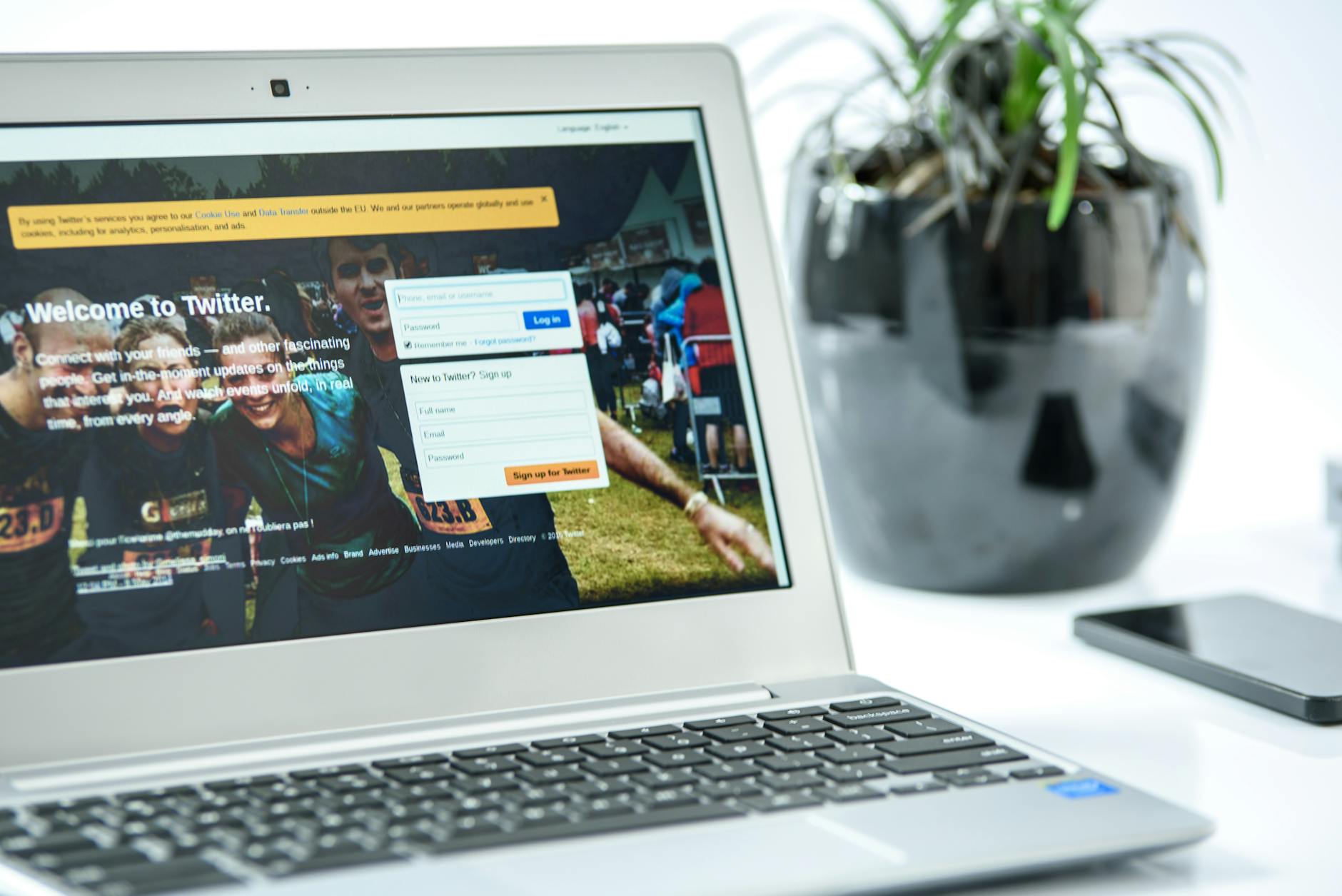
Online vs. In-Person Social Media Studies
Most social media research happens online because researchers don’t need to rent facilities or coordinate group logistics. Online studies typically take 30 minutes to two hours and might involve recorded video responses, detailed surveys about your social media habits, or live video focus group discussions with other participants. These online formats dominate the market because they’re scalable—a brand can recruit 100 people across the country in a week without geographic friction.
In-person studies, while less common, pay more. When researchers do recruit for in-person sessions, they’re often evaluating user interface designs, testing new features, or conducting ethnographic research that benefits from real-time observation. You’ll typically find these in major metropolitan areas like the Bay Area, Los Angeles, New York, and Chicago. However, traveling for a $150 payment only makes sense if you live close to the research location—factoring in time and transportation costs, an in-person study 45 minutes away might leave you with less net income than a $125 online study you complete from home.
Where to Find Social Media Research Studies Paying $100–$250
Legitimate platforms actively recruiting for social media research include Respondent, FindPaidFocusGroup.com, FocusGroups.org, User Interviews, and Bay Area Focus Groups. These platforms aggregate studies from market research firms, universities, and tech companies and handle screener surveys to match you with relevant projects. Each platform has its own approval process—some are selective and match participants based on detailed demographic and behavioral criteria, which actually increases your odds of qualifying for better-paying studies. Signing up for multiple platforms significantly increases your study flow.
A single platform might post one social media study per week; three platforms might post eight. However, you’ll encounter overlap—the same study sometimes appears on multiple sites. When comparing opportunities, verify the actual payment amount (not a claimed hourly rate that assumes two hours of work), check who’s conducting the research, and look for a clear consent form or study description. Vague listings like “earn $100+” with no details about what you’ll actually do are red flags.

What Type of Social Media Research Gets Posted Most Frequently
Ad platform testing dominates the focus group market because Meta, TikTok, X, and Google constantly run A/B tests on their algorithms and ad systems. You won’t typically see studies specifically branded “TikTok Focus Group” or “Instagram Focus Group”—instead, you’ll see descriptions like “study about short-form video consumption,” “research on creator monetization,” or “survey about algorithmic feed preferences.” These are the social media studies, just not labeled with platform names because researchers want unbiased responses without participants gaming their answers. Creator economy research is a growing subcategory.
Platforms pay researchers to study how creators use analytics, monetize content, and interact with algorithm changes. If you’re active on social media or have experience with creator tools, you’ll qualify for higher-paying studies in this space. A 90-minute recorded-response study about TikTok creator earnings might pay $150–$200, while a shorter survey about which ads you notice on Instagram might pay $50–$75. The difference is specificity—the more niche your expertise, the better the compensation.
Screening Out Scams and Verifying Legitimate Opportunities
Not all focus group listings are legitimate. Predatory sites offer sign-up bonuses ($5 for free) but rarely pay the advertised amounts, or they require you to complete “surveys” that are actually spam lists that go nowhere. Red flags include: asking for payment upfront, guaranteeing specific earnings, requiring you to purchase products to review, or being vague about what the research actually entails.
Legitimate studies always provide a detailed description of what you’ll do, a clear payment amount (not a range like “$50–$500”), and an actual research company name affiliated with your state’s university system, a market research firm with a registered website, or a known tech company. Before committing significant time, search the company name plus “complaints” or “scam” to see if there’s documented fraud. If a study requires you to submit payment information, that should happen only after you’re approved and clear that you’ve qualified—never before. Bay Area Focus Groups, Respondent, and FocusGroups.org have built reputations specifically because they vet researchers and pay as promised, which is why they consistently appear in discussions of legitimate paid research.
Real Examples of Current Social Media Studies (2026)
In February 2026, Bay Area Focus Groups advertised a $125 national online study specifically about social media, recruiting participants nationwide. That same month, multiple focus group studies recruiting actively across platforms offered payment in the $100–$250 range, indicating strong current demand for social media research.
A hypothetical but representative example: a three-week diary study where you log your TikTok usage patterns and report how algorithmic changes affect your content discovery might pay $175–$200 total, with payment split across milestones or delivered in full upon completion. These examples matter because they show that $100–$250 studies are happening right now, not theoretical future opportunities. If you’re unemployed, between jobs, or looking to convert idle phone time into cash, signing up for three platforms and checking daily for new postings can realistically generate one or two qualifying studies per month, bringing $150–$300 into your account depending on how selective you are about which studies you pursue.
The Evolution of Paid Social Media Research
As platforms become more scrutinized for their algorithmic impact on users, advertising practices, and creator economics, demand for independent user research has grown. Market researchers increasingly can’t rely solely on platform-provided analytics—they need human feedback about what users actually experience versus what metrics claim. This trend suggests social media research studies will remain plentiful and competitive in compensation.
The shift toward remote work and gig participation also means more people have time available for $1–2 hour study sessions. Platforms are responding by increasing payment rates to attract serious participants rather than casual sign-ups who never complete studies. If you’re consistent about showing up on time, providing thoughtful responses, and following instructions, you’ll get invited back to the same platforms for repeat studies, which is where the real money accumulates—not from a single $100 study, but from completing one per month sustainably.
Conclusion
Social media focus groups paying $100–$250 are real, active, and accessible to most people with a reliable internet connection and willingness to spend 1–3 hours on a single project. The research firms running these studies rely on genuine user feedback to understand social media behavior, so they pay enough to attract serious participants—far more than typical survey sites that offer a few dollars for your time.
To start earning from social media research, sign up for at least two or three platforms like Respondent, FocusGroups.org, or User Interviews, complete your profiles thoroughly to match studies to your background and interests, and check new postings daily during your first month. Set a realistic expectation of one study per month at $100–$200 each rather than hoping for multiple studies weekly—consistency beats chasing every listing that appears.
Frequently Asked Questions
How long does it take to complete a social media focus group?
Most online studies take 30 minutes to two hours. Some ask you to record short video responses over several days, spreading the time out. Always check the study description for the total time commitment before you qualify.
Do I need experience on every social media platform to qualify?
No. You’ll qualify for studies matching your actual platform usage. If you use TikTok but not X, you’ll see TikTok studies. Platforms match you based on your screener responses, so be honest about where you spend your time.
When do I get paid after completing a study?
Payment timing varies. Some platforms pay within 48 hours; others take a week or two. Always read the fine print before starting. Established platforms like Respondent and FocusGroups.org are faster and more reliable than newer sites.
Can I do multiple studies at the same time?
Generally no. Most studies require you to avoid other research on the same topic during the study period, which can last 2–4 weeks. Read the exclusion criteria carefully—it usually tells you what other studies you can’t participate in concurrently.
What happens if I don’t qualify for a study?
You simply won’t be invited to it. Your profile will be screened, and researchers will tell you whether you meet their criteria. This is normal and doesn’t penalize you—you’ll see other studies you do qualify for.
Is there a minimum age or location requirement?
Most studies require you to be 18+ and a U.S. resident (some require specific states). Check each platform’s eligibility requirements before signing up. Non-U.S. users are usually excluded because researchers are testing U.S. market dynamics.



