
While there is no formal “New Year Focus Groups” initiative by that specific name, companies are indeed conducting intensive focus group testing in early 2026 to evaluate products and features planned for 2027 launch. The practice is common in consumer goods, technology, and e-commerce industries, where early-year testing allows brands to gather consumer feedback, refine messaging, and solve product issues before official announcements. For example, major organizations schedule facility-based and online focus group sessions starting in January specifically to get consumer reactions to prototypes, advertising concepts, and digital experiences months before planned public releases.
The timing is strategic. January and early spring offer a window when target audiences are receptive to participation, manufacturing timelines align with feedback incorporation, and marketing teams can integrate consumer insights into campaign planning. Whether a company calls this initiative by a branded name or simply “2027 product testing,” the underlying methodology is consistent: assembling representative consumers, testing prototypes or concepts, recording reactions, and using qualitative data to reduce launch risk.
Table of Contents
- Why Companies Use Focus Groups for Upcoming Product Launches
- The Shift Toward Hybrid and Remote Focus Group Methods
- AI Integration in Product Testing and Market Research
- Finding and Recruiting Participants for 2027 Product Tests
- Data Privacy and Compliance Concerns in Product Testing
- Cost and ROI of Early Product Testing
- The Future of Product Testing and 2027 Launches
- Conclusion
Why Companies Use Focus Groups for Upcoming Product Launches
Companies test 2027 products now because the feedback cycle must complete before production finalizes. A focus group conducted in January provides findings that engineering, design, and marketing teams can action within weeks—a critical advantage when product launch dates are locked into manufacturing and distribution schedules. Testing a new product concept before manufacturing tools are cut, supply chains are finalized, or advertising creative is locked down can prevent expensive pivots later. For instance, a consumer goods company might test packaging designs, flavor profiles, or brand positioning in January to inform decisions that affect millions in production costs by Q3.
The range of what companies test has expanded beyond traditional product refinement. In 2026, organizations use focus groups to evaluate advertising creative, digital platform experiences, AI-enabled product features, and brand positioning changes. Reckitt, a major consumer health company, has publicly committed to accelerating AI-powered innovation through 2027, and testing new AI-enabled products or services with focus groups helps validate consumer acceptance of these newer technologies. Hybrid research designs—combining in-person facility sessions with online video groups and in-depth interviews—allow companies to test with geographically distributed samples while controlling costs.

The Shift Toward Hybrid and Remote Focus Group Methods
The infrastructure for product testing has transformed significantly. Rather than relying solely on in-person focus group facilities, companies increasingly combine facility-based sessions with online video groups and asynchronous feedback collection. This hybrid approach reduces the cost per respondent, speeds recruitment, and allows testing with harder-to-reach demographics. Online platforms like UserTesting, Respondent, and FocusVision have scaled access to consumer panels, making it feasible for smaller brands and startups to run product tests that once required large budgets.
However, a limitation of remote and hybrid formats is the loss of some nuanced, non-verbal feedback that in-person sessions capture. Moderators conducting video focus groups have less ability to read body language, pick up on hesitation, or guide group dynamics in real-time compared to facility-based moderating. Companies testing premium or emotionally-driven products—like luxury goods, healthcare solutions, or new entertainment products—often still favor in-person sessions despite higher costs because the depth of insight justifies the expense. Larger firms typically use a mixed approach: in-person sessions for exploratory testing and high-stakes category launches, online methods for rapid iteration and volume feedback.
AI Integration in Product Testing and Market Research
Artificial intelligence is fundamentally changing how focus group data is processed and analyzed. Automated transcription, sentiment mapping, and theme clustering allow research teams to analyze hundreds of hours of video and audio in days rather than weeks. AI tools identify recurring concerns, positive reactions, and unmet consumer needs faster than traditional manual coding methods. This speed matters when a company has a tight window between feedback and production lockdown.
Yet AI analysis also introduces a risk: over-reliance on algorithmic pattern recognition can miss the context and nuance that human moderators or researchers would catch. A consumer’s critical comment might be flagged as “negative” by sentiment analysis, when in context it reflects a minor preference rather than a dealbreaker. Leading research firms—including Touchstone Research, Sago, and Schlesinger Group—are integrating AI tools into their workflows while maintaining human review as a guardrail. The companies most effective at product testing in 2026 use AI to accelerate data processing, then employ senior researchers to validate findings and extract strategic implications.
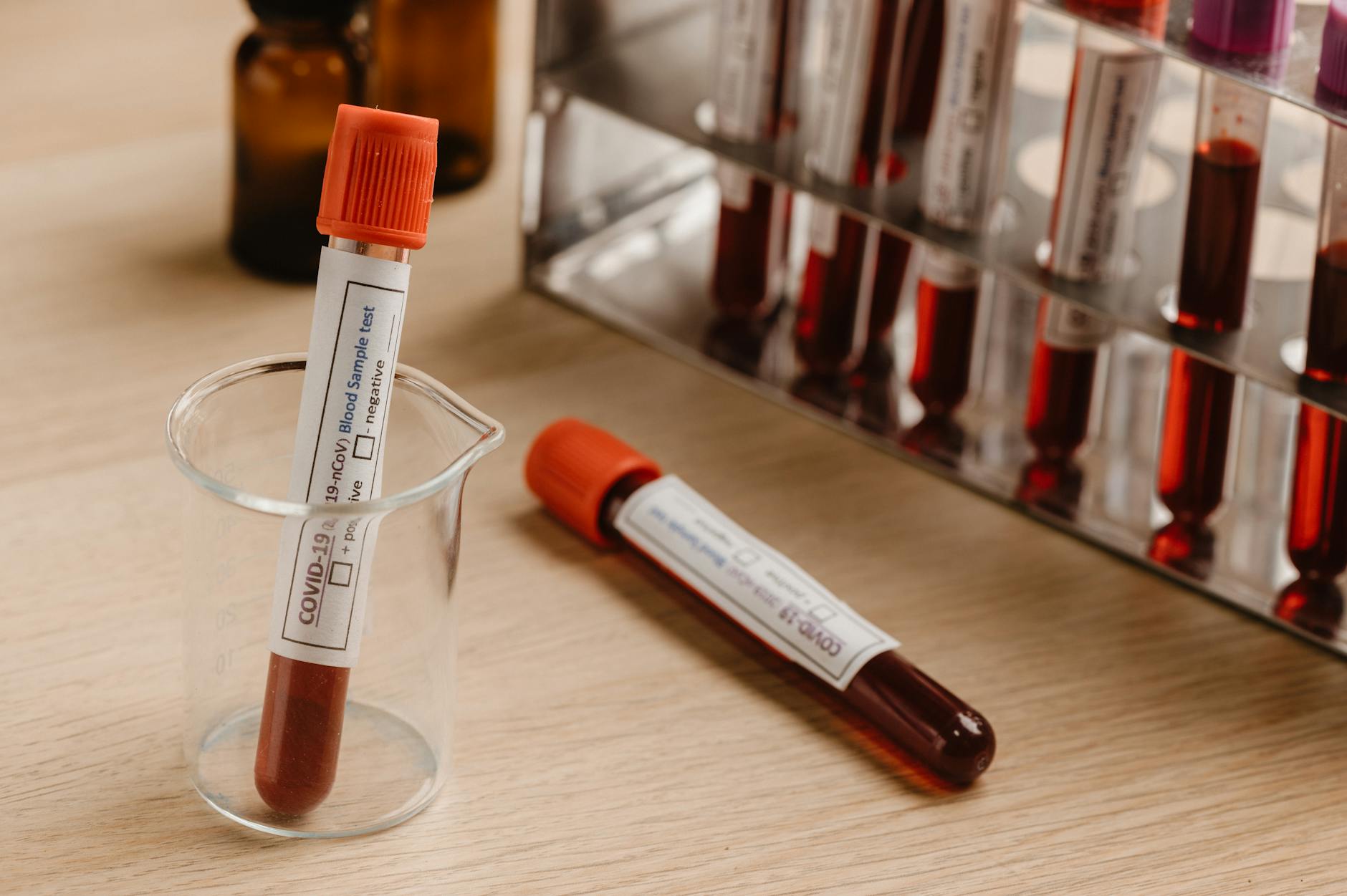
Finding and Recruiting Participants for 2027 Product Tests
Companies testing 2027 products face a recruitment challenge: they need consumers who match their target market, are available for testing in compressed timelines, and have not been over-exposed to focus group participation. Specialist panel firms—including Drive Research, Burke, and Fieldwork—maintain databases of consumers willing to participate in research and can quickly recruit for industry-specific tests. Consumer goods companies might need mothers aged 25–45 in urban markets; tech firms might recruit early-adopter gamers or AI-curious professionals. The quality of the sample directly impacts the utility of feedback.
One tradeoff in rapid recruitment is sample fatigue. Consumers who frequently participate in focus groups may develop trained responses or lose genuine reactivity over time. This is why many companies rotate between recruitment firms and refresh their panel sources regularly. Additionally, incentivizing participation—typically $50–$200 per respondent depending on session length and specialization—adds cost that must be factored into the product testing budget. Smaller companies or startups sometimes struggle to recruit at scale, making online panel services like Respondent and FocusVision valuable because the platforms handle recruitment logistics.
Data Privacy and Compliance Concerns in Product Testing
As companies collect video, audio, and observational data from focus group participants, data protection becomes critical. Consumer research data is sensitive—it can reveal demographic details, personal preferences, medical information, or financial behaviors depending on the product being tested. Companies must comply with GDPR (if testing includes EU residents), CCPA (California), and industry-specific regulations like HIPAA (healthcare products). Moderators and researchers sign NDAs, data is stored securely, and participants provide informed consent for recording and data use.
A warning: companies sometimes inadequately disclose how focus group data will be used or retained. If a participant is told their feedback will only be used for product refinement, but the company later uses anonymized findings in advertising or licensing research to third parties, that crosses a consent boundary. Reputable research firms—Touchstone Research, Sago, Burke—maintain strict ethical standards and transparency. However, less established firms or internal research teams cutting corners to save costs may not. Any company conducting product testing should document consent clearly and define how long data will be retained and whether it can be used for secondary purposes.

Cost and ROI of Early Product Testing
Running a multi-group focus group study typically costs $15,000 to $50,000+ depending on sample size, geographic spread, and whether sessions are in-person or online. For a large consumer goods or technology company, this investment is small relative to the cost of launching a product that misses the mark—a failed launch can cost millions in lost sales, damaged brand reputation, and wasted inventory. Testing early allows companies to course-correct at low cost before committing to full-scale production and marketing. Consider a hypothetical example: a beverage company develops a new functional drink targeting busy professionals.
Before committing to $10 million in manufacturing and media spend, they run a 6-group focus study (approximately $25,000) across three cities with their target demographic. Feedback reveals the packaging is confusing, and the benefit claim on the label is unclear to consumers. The company redesigns the packaging and messaging, runs a follow-up 2-group validation ($8,000), and then launches with confidence. The $33,000 in testing saved them from a potential relaunch or repositioning that could have cost ten times that amount.
The Future of Product Testing and 2027 Launches
As companies look toward 2027 launches, several trends are shaping how they approach product testing. First, the integration of AI and automation will accelerate—more data will be processed faster, and synthetic focus groups (AI-generated consumer simulations) will supplement real consumer feedback for early-stage concept testing. Second, companies will increasingly blend qualitative focus group data with quantitative online surveys to triangulate findings and reduce sample-size limitations.
Third, sustainability and ESG concerns are becoming part of product testing; companies now test not just product efficacy but also packaging sustainability and supply chain transparency claims. The companies most successful at launching new products in 2027 will be those who invest in consumer research early and often. Whether through traditional focus groups, online panels, or hybrid methods, the systematic feedback loop between product development and consumer reaction remains essential. As markets become more competitive and consumer expectations more demanding, the role of rigorous product testing—begun months before launch—only grows in importance.
Conclusion
Product testing for 2027 launches is underway now across major industries, using a mix of facility-based focus groups, online video panels, and hybrid research designs. Companies rely on firms like Touchstone Research, Sago, Drive Research, and online platforms like UserTesting and Respondent to gather early consumer feedback on products, features, and messaging before official announcements.
The integration of AI tools is speeding analysis, but human oversight remains critical to avoid misinterpretation of qualitative data. If you’re interested in participating in focus groups testing new products or advertising, research panels are actively recruiting for 2027 product studies. Register with established panel companies, complete their qualification surveys, and you can earn $50–$200 per session for providing feedback that shapes the products and services you’ll use in the coming year.



