
Focus groups in Washington DC pay between $150 and $450 per study, with most opportunities ranging from $50 to $500 depending on whether you participate in person or online. The average payout is $180 for a standard study, though in-person sessions typically offer higher compensation at around $425, while remote studies average closer to $150. DC’s unique position as the nation’s capital means many focus groups concentrate on government policy, public affairs, and policy studies—making the region particularly active for research companies seeking participant feedback on political, regulatory, and civic issues.
A typical focus group session in DC lasts about two hours, and you’ll receive payment immediately after participation through check, gift card, or digital payment. For example, you might spend two hours discussing a proposed healthcare policy change and walk away with $150 to $400 depending on the study’s requirements and format. The screening process is quick—usually just 2-3 minutes—so getting started takes minimal effort.
Table of Contents
- What Types of Government and Policy Studies Run in Washington DC?
- In-Person Versus Online: Which Pays Better and Why?
- How Much Time Do You Actually Need to Spend in a DC Focus Group?
- How to Find and Apply for DC Focus Groups Without Wasting Time
- What Disqualifies You From DC Focus Groups, and What Happens If You Lie on Screening?
- Payment and Logistics: When Do You Actually Get Your Money?
- The Changing Landscape of Policy Focus Groups Post-2024
- Conclusion
What Types of Government and Policy Studies Run in Washington DC?
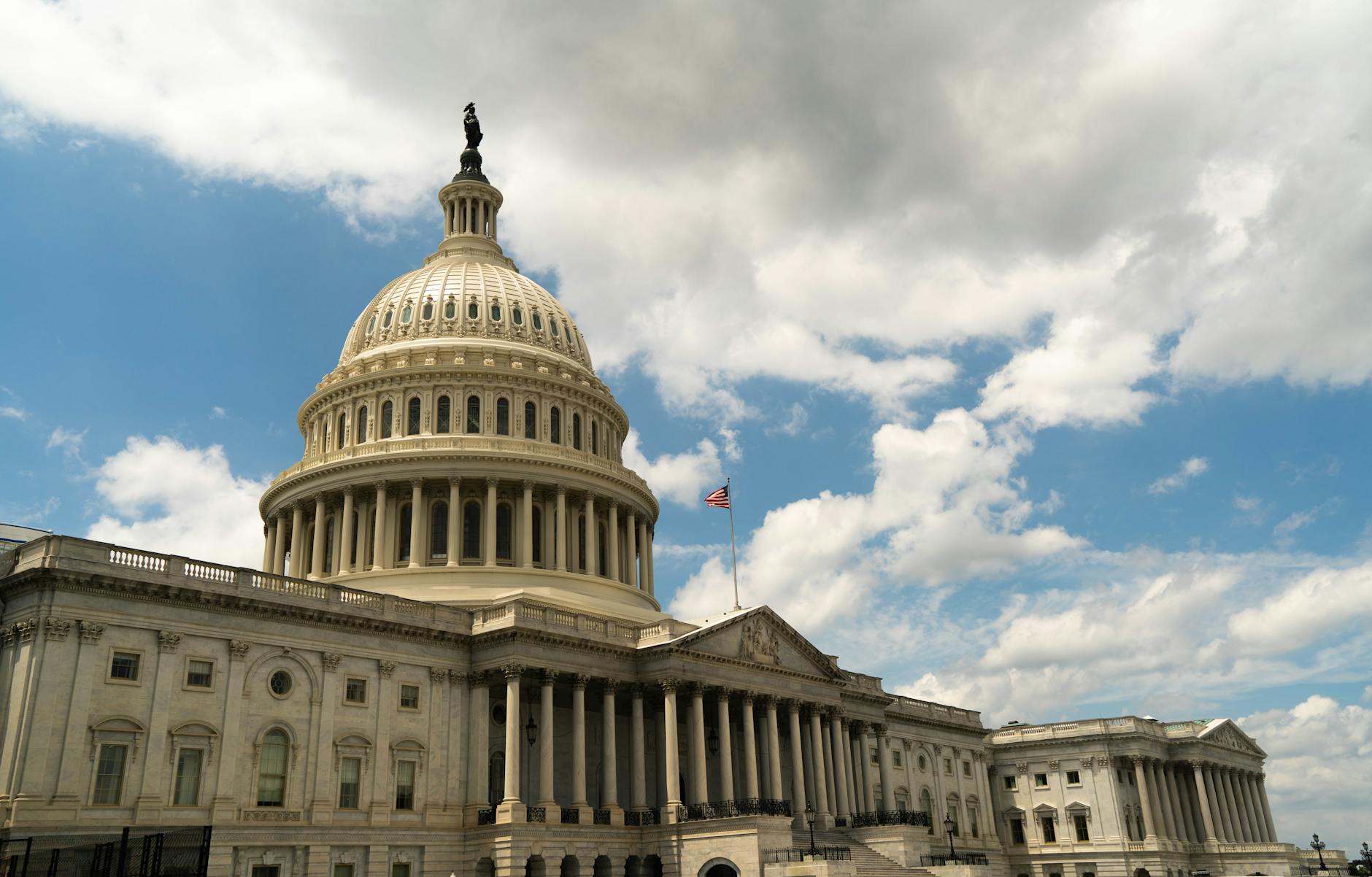
Washington DC hosts a disproportionate number of government and policy focus groups because major research firms, consulting companies, and government contractors all operate in or near the capital. These studies specifically examine federal policy proposals, regulatory changes, legislative priorities, and public opinion on civic issues. You might participate in studies about energy policy, healthcare reform, education initiatives, infrastructure plans, or how citizens perceive new government programs.
Beyond government topics, DC focus groups also cover general consumer research, healthcare, financial services, and technology—but the policy and government sector represents a significant portion of opportunities. Mediabarn Research, one of the major facilities in DC, and Limelight Insights by Shugoll both regularly host government-focused groups. Area Wide, another established facility operating since 1988, has dedicated focus group rooms where these studies take place. The diversity of topics means you’ll find opportunities matching various interests, though availability fluctuates based on current policy discussions and legislative timelines.
In-Person Versus Online: Which Pays Better and Why?
In-person focus groups in washington DC average $425 per session, while online studies pay an average of $150. The difference reflects the additional time, travel, and logistics involved in showing up to a physical location. When you attend an in-person session, you’re often combining discussion time with observation, product testing, or facility-based activities that justify higher compensation. You also deal with travel time, parking or transportation costs, and schedule inflexibility—all factored into the premium rate.
However, a critical limitation of in-person focus groups is inconsistent scheduling. Studies depend on having enough qualified participants available at the same time, so recruitment can be unpredictable. Online focus groups offer flexibility—you can often participate from home at times that work for your schedule—but the lower pay ($150 average) reflects that convenience. This creates a real tradeoff: take the higher-paying in-person sessions if you have flexibility and don’t mind the logistics, or choose online studies if schedule predictability and convenience matter more than maximum earnings.
How Much Time Do You Actually Need to Spend in a DC Focus Group?
The standard focus group session in Washington DC lasts two hours, which is the baseline most research companies use. However, this doesn’t mean you’ll spend exactly 120 minutes of active discussion time. The two-hour window typically includes 10-15 minutes for check-in and instructions, another 15-20 minutes for casual discussion and relationship-building, and the remaining 90-100 minutes of structured group conversation.
The screening application process takes only 2-3 minutes, so getting qualified for a study is fast. For example, if you’re recruited for a government policy study on healthcare, you’d arrive 10 minutes early, spend 5 minutes checking in, participate in 90 minutes of facilitated discussion with 10-12 other participants, and spend another 20 minutes in closing remarks and dismissal. You’d receive your payment before leaving. Occasionally, studies run longer if they include product testing or multi-round discussions, but the two-hour standard is what you should expect when evaluating whether participation fits your schedule.

How to Find and Apply for DC Focus Groups Without Wasting Time
Start by identifying which research companies operate in Washington DC, then register directly with them rather than relying on aggregator websites. The major operators include Mediabarn Research, Limelight Insights by Shugoll, and Area Wide. Create accounts on their websites and complete their qualification surveys. Since screening takes only 2-3 minutes, this initial investment is minimal.
Many people make the mistake of registering with multiple platforms and then not following up, which means they never get selected. Instead, complete your profile thoroughly, enable notifications, and respond quickly when you’re invited to a study—the fastest responders typically get selected. DC’s active market means new studies are posted regularly, especially for government and policy topics. The practical approach: register with 3-4 major facilities, set up alerts, and plan to spend 15-30 minutes per month checking for opportunities. This differs from constantly checking job boards or gig platforms; focus group participation is periodic, not ongoing, so you’ll have weeks or months between available studies.
What Disqualifies You From DC Focus Groups, and What Happens If You Lie on Screening?
Research companies carefully screen participants to ensure honest feedback, which means dishonest answers during qualification can backfire. If you misrepresent your work history, income level, healthcare usage, or familiarity with products, you might be disqualified mid-study or even banned from future studies. For government policy focus groups, researchers often verify employment history or industry experience, so fabricating credentials is especially risky. A significant limitation many participants overlook is that focus groups require genuine engagement.
You can’t attend silently and collect a paycheck—facilitators actively involve all participants and will note when someone isn’t contributing authentically. This disqualifies you from future studies with that facility. Additionally, some focus groups have strict confidentiality agreements, meaning you can’t discuss study details on social media or with friends. Violating confidentiality can result in non-payment or legal consequences, depending on the study’s sensitivity (especially true for government-related research).

Payment and Logistics: When Do You Actually Get Your Money?
Most DC focus group facilities pay immediately after your session ends, typically within minutes. Payment methods include checks (deposited later), gift cards (usable immediately), or direct digital transfers to your bank account. If a facility requires you to wait days or weeks for payment, that’s a red flag—standard practice in the DC market is same-day compensation.
For example, a Mediabarn Research study might hand you a $180 gift card as you leave, while a Limelight Insights session might process a direct bank transfer before you walk out the door. Area Wide similarly handles immediate payment. Always confirm the payment method and timing before committing to a study, especially if you’re relying on the income for a specific purpose. Digital payments and gift cards are most common for government studies, since they’re faster and don’t require check-writing logistics.
The Changing Landscape of Policy Focus Groups Post-2024
Washington DC’s focus group market has shifted toward hybrid models, combining in-person and online participation. As government agencies and policy consulting firms increasingly use remote research to reach geographically diverse participants, more online focus groups have emerged. This trend benefits participants by offering more flexibility, though it’s reduced the premium-priced in-person opportunities available in prior years.
Looking ahead, expect more specialized policy focus groups tied to election cycles, legislative timelines, and regulatory agency timelines. This makes DC particularly valuable for finding consistent work if you’re interested in policy topics, since research activity typically spikes during legislative sessions and major policy debates. The $150-$450 range we see today is likely to remain stable, though compensation may shift further toward online studies if remote participation becomes the norm.
Conclusion
Focus groups in Washington DC offer realistic earning potential of $150-$450 per session, with two-hour sessions paying an average of $180 across all formats. In-person studies pay more ($425 average) but require schedule flexibility and travel, while online studies offer convenience at lower pay ($150 average). DC’s concentration of government and policy research means you’ll find specialized opportunities unavailable in other cities, making it a genuine option for supplemental income if you’re interested in civic and political topics.
To get started, register directly with major DC facilities like Mediabarn Research, Limelight Insights by Shugoll, and Area Wide. Complete your profile thoroughly, respond quickly to invitations, and be honest during screening—the market is active enough that dishonesty isn’t worth the risk of being disqualified. Expect immediate payment in most cases, and remember that participation requires genuine engagement and, often, confidentiality agreements. With realistic expectations and consistent follow-up, you can participate in multiple studies annually and earn $500-$2,000 from focus groups alone.



