
Yes, focus groups in Montana are actively recruiting participants and paying between $75 and $200 per session, particularly for agricultural and outdoor industry research. These opportunities are genuine: market research companies, agribusiness firms, and outdoor equipment manufacturers regularly conduct these studies to understand consumer behavior, product preferences, and industry trends in rural and frontier states. For example, a recent study by a major outdoor apparel company recruited Montana residents to test new cold-weather gear and discuss functionality needs, paying participants $150 for a two-hour session held in Missoula.
Montana’s geographic and demographic profile makes it valuable for agriculture and outdoor industry research. The state has a significant ranching and farming population, outdoor recreation enthusiasts, and people with hands-on experience using farming equipment and outdoor gear in real conditions. This makes Montana participants particularly valuable to researchers studying agricultural technology, sustainable farming practices, and outdoor products designed for harsh climates and demanding use cases.
Table of Contents
- How Do Focus Groups in Montana Pay for Agriculture and Outdoor Research?
- Finding and Screening for Montana Agriculture and Outdoor Industry Studies
- Montana’s Agricultural Industry Focus Groups and Participant Value
- How to Apply and What to Expect During a Montana Focus Group Session
- Potential Limitations and What to Watch For
- Montana-Specific Research Opportunities and Peak Seasons
- The Broader Landscape of Paid Research Opportunities in Montana
- Conclusion
How Do Focus Groups in Montana Pay for Agriculture and Outdoor Research?
The payment structure for Montana focus groups typically ranges from $75 to $200 per session, with the amount depending on several factors: the complexity of the study, the required expertise level, the duration of participation, and the specific industry focus. A two-hour session on agricultural equipment preferences might pay $100, while a more specialized focus group requiring participants with experience in livestock management or large-scale farming could reach $200. Screening requirements matter significantly—studies that need participants with specific qualifications (such as cattle ranchers or backcountry hikers) often pay at the higher end because finding qualified participants takes more effort.
Payment is typically issued within two to four weeks after the study concludes, though some companies offer gift cards or prepaid cards as immediate compensation. Unlike some online surveys that pay $2 to $5, focus group compensation reflects the time commitment and the value of detailed, face-to-face feedback that researchers extract from the sessions. A participant attending a three-hour focus group on farm management software, for instance, receives compensation that roughly equals $25 to $40 per hour—significantly higher than minimum wage.

Finding and Screening for Montana Agriculture and Outdoor Industry Studies
Locating focus groups in Montana requires knowing where to look, as these opportunities are not consistently advertised on job boards. research companies maintain participant databases and recruit through their websites, email lists, and sometimes local community organizations. Companies specializing in agricultural research—including Romark Agribusiness, Ipsos, and Qualtrics—regularly field studies in Montana and recruit through direct outreach to rural communities. Outdoor brands including REI, Patagonia, and specialty hiking companies also commission regional research and recruit through outdoor clubs, outdoor retailers, and lifestyle communities. A significant limitation is that focus group eligibility is highly selective.
You may qualify for some studies but not others. Screening surveys typically ask about your industry experience, product usage, income level, purchase behaviors, and sometimes political views or household demographics. A study on agricultural drones might require that you own a farm with a minimum acreage, operate irrigation systems, or have made equipment purchases over a certain dollar amount. An outdoor industry study might require recent experience backpacking, hunting, or fishing. Not matching the screening criteria means you won’t be invited to that particular session, even if you’re available.
Montana’s Agricultural Industry Focus Groups and Participant Value
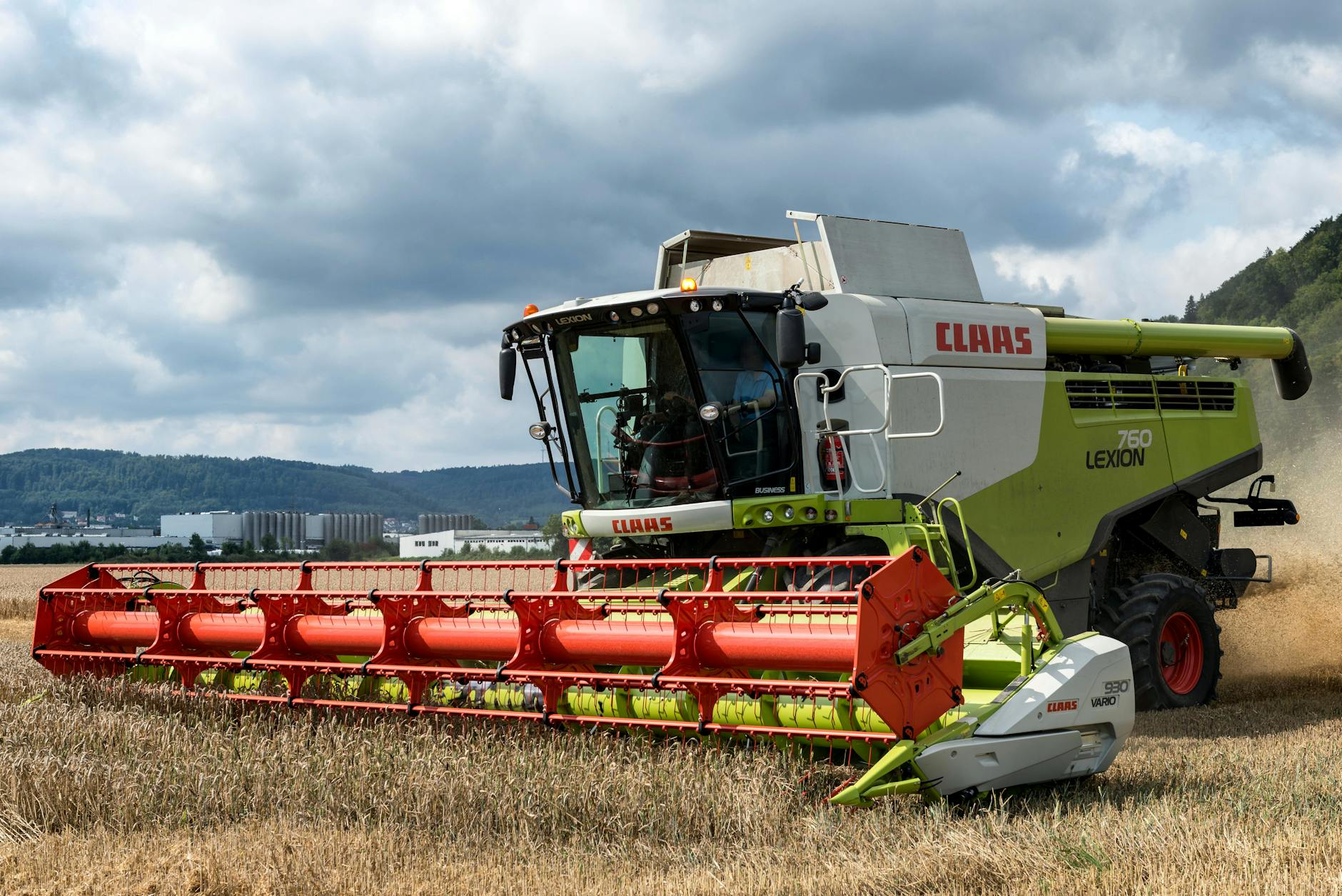
Montana’s position as a major agricultural state creates consistent demand for focus groups targeting farmers, ranchers, and agricultural business owners. The state’s 27,000+ farms and extensive cattle ranching operations mean research companies have a built-in population of potential participants with direct, hands-on experience. Studies explore everything from seed and fertilizer preferences to equipment purchasing decisions, climate adaptation strategies, and precision agriculture technology adoption. A participant who manages a 5,000-acre grain operation brings authentic expertise that cannot be replicated by someone who merely reads about farming, making their participation valuable enough to justify $150 to $200 compensation.
Outdoor industry focus groups similarly benefit from Montana’s outdoor recreation culture. Mountain towns like Missoula, Bozeman, and Whitefish attract outdoor enthusiasts, and research companies know that recruiting participants in these areas gives them access to serious hikers, climbers, skiers, and backcountry users. A study on avalanche safety equipment conducted in a mountain community might recruit 10 to 15 participants with real avalanche exposure rather than theoretical interest. This specificity of participant background is exactly what makes focus group research valuable and justifies the higher compensation compared to online surveys.
How to Apply and What to Expect During a Montana Focus Group Session
Applying typically starts with finding a market research company, visiting their website, and completing a detailed participant profile. You’ll answer questions about demographics, income, product categories you buy, and industry experience. This profile gets added to their database. When a study matches your background, you receive an email or phone call describing the study, compensation, location, and date. Confirmation usually requires a follow-up response, and some studies ask you to sign a non-disclosure agreement before the session begins.
On the day of the session, arrive 10 to 15 minutes early. The facilitator, typically a trained researcher, will ask you and 6 to 12 other participants to sit around a table and discuss specific topics. You’ll be asked for your opinions on products, advertising, features, or industry trends. Sessions are often recorded (video or audio) so the research company can analyze the conversation later. Your role is to be honest and detailed in your responses—”I didn’t like it” is less valuable than “I didn’t like it because the interface was confusing, and I’d prefer larger buttons for people wearing gloves.” Tradeoffs exist: the compensation is good, but you must commit to showing up at a specific time, you cannot work during the session, and you’ll be asked personal questions in front of strangers.
Potential Limitations and What to Watch For
One significant limitation of focus group participation is scheduling inflexibility. Studies happen at set times, often during weekday afternoons or evenings, and you must be present in person. If you live in rural Montana more than 30 miles from a town where the study is held, travel time becomes a factor. A $150 study is less attractive if you spend two hours driving. Additionally, some studies fall through. You may be confirmed for a session that gets canceled due to insufficient attendance or a change in the research timeline, meaning you’ve reserved that time and received no compensation.
Watch for red flags: legitimate focus groups never charge a registration fee or require payment upfront. If a company asks for money to participate, it’s a scam. Similarly, be cautious of requests for banking information or identity documents beyond what’s necessary for payment processing. Legitimate research companies have established websites, professional contact information, and clear policies. Avoid responding to messages from unknown email addresses or signing up through unusual channels. The research industry does include scams that prey on people looking for quick money.

Montana-Specific Research Opportunities and Peak Seasons
Montana experiences seasonal variation in focus group availability. Agricultural research peaks during spring (March through May) and fall (August through October) when farmers are actively purchasing equipment, making planting and harvest decisions, and adopting new practices. Outdoor industry research increases in summer and winter, corresponding with peak recreation seasons.
Rural internet and telehealth studies have increased in recent years as companies explore how Montanans adopt remote services. This means your likelihood of finding a matched study varies by season—you’re more likely to find qualifying opportunities in peak seasons. For example, a participant in a ranching community might receive invitations for multiple cattle supplement studies in early spring, then see no invitations for weeks, then receive offers for hunting or fishing gear studies in summer. Building a profile with multiple research companies increases your chances of finding studies in your off-season, since different companies run different studies on different timelines.
The Broader Landscape of Paid Research Opportunities in Montana
As market research evolves, companies increasingly value geographic and industry diversity in their samples. Montana’s unique demographics—rural communities, specific industry expertise, and outdoor-focused populations—mean research demand likely remains steady. However, the focus group format itself is shifting.
Some companies now conduct hybrid sessions (some in-person, some remote), and online focus groups via video conference are becoming more common, reducing travel barriers for rural participants. Montana participants should expect that the research industry will continue seeking their input on agricultural technology adoption, outdoor product design, and rural market trends. Building relationships with established research companies by maintaining an active participant profile ensures you receive invitations to studies that match your background and interests.
Conclusion
Focus groups in Montana genuinely pay $75 to $200 per session, with the highest compensation typically going to participants with specialized agricultural or outdoor industry expertise. These opportunities are real, but finding them requires knowing where to look—primarily through established market research company websites, participant panels, and industry-specific organizations. The compensation is legitimate and reflects the genuine value of in-person, detailed feedback from people with relevant experience.
To maximize your opportunities, create profiles with multiple research companies, be honest about your background and experience, and stay flexible on scheduling. Verify that any company you work with is legitimate, never pay a registration fee, and avoid unsolicited messages from unknown sources. For Montanans with agricultural or outdoor industry experience, these focus groups represent genuine income opportunities that complement other work.



