
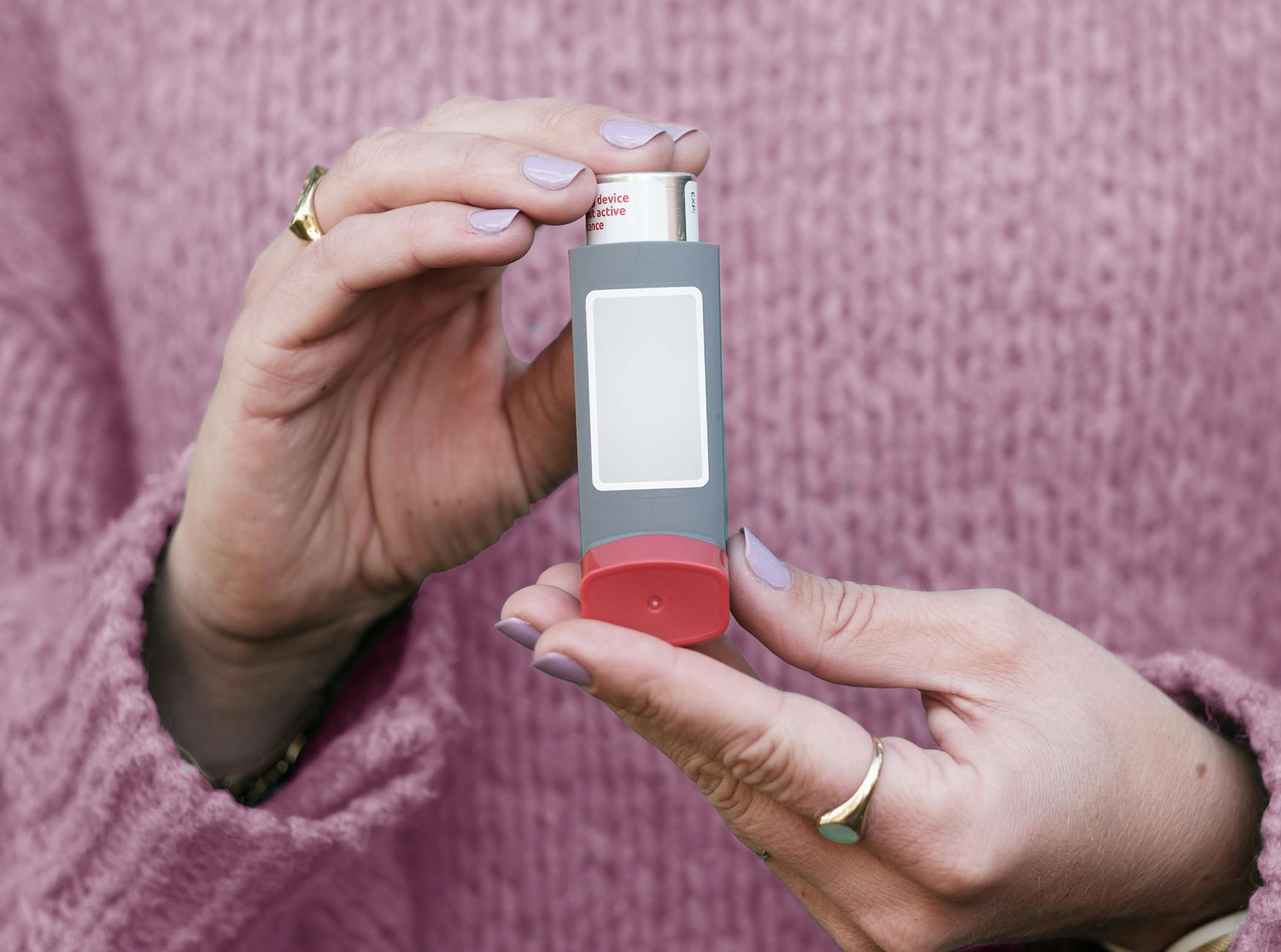
COPD (Chronic Obstructive Pulmonary Disease) focus groups and research studies offer patients a way to participate in lung disease research while earning $150 to $500 or more for their time and medical insights. These paid research opportunities range from single-session focus groups discussing symptom management to multi-week clinical trials testing new medications or devices. For example, a patient with COPD might spend two hours in a market research focus group discussing how a new inhaler device feels to use, earning $200 for their participation. Pharmaceutical companies, medical device manufacturers, and healthcare researchers actively recruit COPD patients because their lived experience with the disease—including daily struggles with breathing, medication side effects, and quality of life challenges—is invaluable for developing better treatments.
The compensation structure varies based on study type and commitment level. Shorter focus groups typically pay $150–$300 for 1–3 hours of discussion. Longer clinical trials or observational studies may compensate participants $300–$500 per visit or even more, depending on the number of visits, required medical testing, and travel. Some studies cover additional costs like parking, transportation, or meals. COPD patients who participate gain access to cutting-edge treatments before they’re publicly available, receive free medical monitoring, and contribute directly to research that could help millions with respiratory disease.
Table of Contents
- What Types of COPD Research Studies Pay Patients $150–$500?
- How Clinical Trials and Lung Disease Research Compensation Works
- Health Benefits and Risks of Participating in COPD Research
- How to Find and Qualify for COPD Focus Groups and Paid Research Studies
- Payment Delays, Study Dropout Rates, and Hidden Costs
- Different Types of COPD-Focused Research Opportunities
- The Future of COPD Research and Remote Study Opportunities
- Conclusion
- Frequently Asked Questions
What Types of COPD Research Studies Pay Patients $150–$500?
COPD research studies fall into several categories, each with different payment structures and time commitments. focus groups are the most straightforward: small groups of 6–12 COPD patients meet with a moderator to discuss a specific topic—like their experience with a new bronchodilator or their preferences for symptom-tracking apps. A typical focus group lasts 1.5–2 hours and pays $150–$250. Clinical trials, by contrast, are longer and more demanding; they test new medications, inhalers, or combination therapies on actual patients and may require weekly or monthly visits over months. These can pay $300–$1,000+ per participant, depending on the trial length and invasiveness.
Observational studies sit in the middle. Researchers might recruit 50–100 COPD patients to track their symptoms, medication use, and quality of life over 6–12 weeks using a smartphone app or home monitoring device. Participants log their daily experiences and share data with researchers. Payment is typically $50–$100 per month, making a 6-month study worth $300–$600. User-testing studies, increasingly common as companies develop digital health tools for COPD, pay participants to test new apps, wearables, or telehealth platforms and provide feedback. These usually pay $150–$300 for 2–4 sessions spread over 4–8 weeks.
How Clinical Trials and Lung Disease Research Compensation Works
Compensation in COPD studies is meant to reimburse participants for time, effort, and sometimes travel costs—not as primary income. The payment structure is always disclosed upfront in the study information, and it’s not contingent on medical outcomes; you’re paid whether the treatment works or doesn’t. However, there’s an important limitation: studies run by academic medical centers or government institutions (NIH, Veterans Affairs) typically pay less than those sponsored by pharmaceutical companies. An NIH-funded COPD study might pay $100–$200 per visit, while a Gilead or AstraZeneca trial testing a new COPD drug could pay $300–$500+ per visit because the pharmaceutical sponsor has higher budgets for recruitment. Another critical point: the timing of payment varies.
Some studies pay immediately after each visit in cash or via gift card. Others reimburse after the entire study concludes, which could be weeks later. Always ask about payment timing before enrolling—especially if you rely on that income. Additionally, some advanced studies involving bronchoscopy, lung biopsies, or overnight hospital stays might pay more (up to $1,000 per session) but carry higher medical risks and longer recovery times. Insurance usually covers medical procedures, but you should verify this with the research team before consent.
Health Benefits and Risks of Participating in COPD Research
Participating in COPD research often includes unexpected health benefits beyond compensation. Most clinical trials include free, comprehensive lung testing—spirometry, CT imaging, blood work—that reveals details about your lung health you might not otherwise learn. Some patients discover they qualify for additional treatment options or that their disease stage has progressed differently than expected, allowing them to adjust care with their doctor. For example, a patient in a 12-week COPD trial might undergo monthly spirometry and realize their lung function is declining faster than thought, prompting an earlier conversation with their pulmonologist about escalating therapy. However, there are genuine medical risks to weigh.
New medications being tested haven’t completed all real-world testing, and unforeseen side effects can occur. Pharmaceutical trials require informed consent and ethical oversight, but serious adverse events—though rare—are possible. Some COPD trials restrict other medications you can take, limiting your treatment flexibility during the study. Additionally, very intensive studies with frequent blood draws or sputum samples can be physically tiring for patients already dealing with breathing difficulties. Always discuss any potential trial or study with your primary care doctor before enrolling to ensure it won’t interfere with your current treatment plan.

How to Find and Qualify for COPD Focus Groups and Paid Research Studies
The primary way to find COPD research opportunities is through ClinicalTrials.gov, a government database where researchers register trials. You can search by disease (COPD), location, and payment status. Most research studies also recruit through their sponsoring institution’s website—major university medical centers, pharmaceutical companies, and contract research organizations (CROs) list open studies. For-profit focus group companies like Qualtrics, Respondent, and UserTesting also run disease-specific studies; they often pay $100–$300 for shorter user feedback sessions, though payment is sometimes lower than clinical trials. When evaluating a study, prioritize transparency about compensation, timeline, and medical requirements.
Legitimate studies will provide an informed consent document before you commit, clearly explaining what you’ll do, how long it takes, what risks exist, and exactly how much you’ll be paid. Watch for red flags: studies that ask for upfront payment, make unrealistic health claims, or pressure you to recruit other patients. Academic centers and established CROs are generally safer bets than completely unknown organizations. Also, confirm that the study is IRB-approved (Institutional Review Board), meaning an independent ethics committee has vetted the research design. Once you enroll, you can withdraw at any time without penalty or loss of already-earned compensation.
Payment Delays, Study Dropout Rates, and Hidden Costs
One underappreciated challenge with longer studies is dropout risk and incomplete compensation. If a study requires 12 visits but you can only complete 8 before health issues or life circumstances intervene, some studies pro-rate your payment (paying $66 per visit for 8 visits instead of the full amount) while others pay a flat sum regardless. Read the compensation section carefully—if partial completion pays significantly less, consider whether you can realistically commit to the full duration. COPD patients sometimes experience exacerbations (acute worsening of symptoms) that force them to miss visits, and missing one visit in a tightly scheduled trial can disqualify you from completing it.
Travel and time costs also matter. A study paying $200 per visit might require you to visit a hospital clinic 30 miles away monthly. If parking costs $15 and you lose 4 hours of work time worth $80, your actual hourly rate drops to $25–$30 per hour—reasonable, but not the $100 per hour a flat $200 payment might suggest. Always ask whether the study covers parking, tolls, or provides mileage reimbursement. Additionally, some studies hidden in the fine print state they retain the right to contact you years later for follow-up surveys or long-term health tracking, which could mean additional time commitments after the main compensation period ends.

Different Types of COPD-Focused Research Opportunities
Beyond clinical drug trials, COPD-specific research includes behavioral and lifestyle studies. These examine how smoking cessation programs, pulmonary rehabilitation, or exercise interventions affect COPD progression. They typically pay less ($100–$200 per session) but are often less medically intensive. Digital health studies, a growing category, involve testing apps that help COPD patients manage their disease—tracking oxygen levels, medication adherence, or exacerbation warning signs. These usually last 4–8 weeks, require daily app use, and pay $200–$400 total.
A patient might download an app, use it daily to log their symptoms and spirometer readings, and provide feedback in a final interview. Another category is comparative effectiveness research, where two or more standard COPD treatments are studied head-to-head (not testing a new drug, but confirming which existing treatment works better). These are lower-risk studies because patients use approved medications, but they still require careful monitoring and typically pay $150–$300. Real-world evidence studies follow COPD patients in their normal clinical care (at their own doctor’s office), asking them to complete surveys and share health data without changing treatment. These are minimally invasive and might pay $100–$200 for a 6-month commitment, often with flexibility around when you provide data.
The Future of COPD Research and Remote Study Opportunities
COPD research is increasingly moving toward remote and hybrid models, especially following the pandemic shift to telehealth. Virtual focus groups conducted via video conference, at-home spirometry devices that send data wirelessly to researchers, and smartphone-based symptom tracking mean COPD patients can participate without traveling to clinics. Remote trials typically pay slightly less ($100–$250 per month) than in-person studies because they’re less demanding, but they’re increasingly common and accessible. For patients with severe COPD who struggle with travel or those in rural areas far from medical research centers, remote participation is a game-changer.
Looking forward, artificial intelligence and wearable integration are expanding COPD research possibilities. Studies now recruit patients willing to wear smartwatches or chest patches that continuously monitor oxygen saturation, heart rate, and activity levels. Compensation for these studies is rising ($200–$400 per month) as the data value increases. The COPD research landscape is becoming more inclusive and flexible, with more studies offering digital participation options, faster payment turnarounds, and better communication about risks and benefits.
Conclusion
COPD focus groups and paid lung disease research studies offer genuine financial compensation—$150 to $500 or more—plus the medical benefit of free monitoring and potential access to new treatments. Whether you participate in a 2-hour focus group, a 12-week clinical trial, or a remote observational study depends on your health stability, time availability, and comfort with medical procedures. The key is choosing a legitimate study through ClinicalTrials.gov or an established research institution, carefully reading the informed consent, understanding exactly what you’ll do and how much you’ll be paid, and confirming you can realistically complete the full commitment.
Your experience living with COPD makes you a valuable research participant. Do your due diligence—ask questions, verify IRB approval, and discuss any study with your doctor before enrolling. The combination of fair compensation and contributing to research that could improve treatment for millions of COPD patients makes participation worthwhile for many patients.
Frequently Asked Questions
What is COPD, and why do researchers focus on it?
COPD (Chronic Obstructive Pulmonary Disease) is a progressive lung disease affecting millions globally, characterized by difficulty breathing, chronic cough, and mucus production. Researchers focus on COPD because current treatments help manage symptoms but don’t fully halt disease progression, making new therapies desperately needed.
Am I eligible to participate in COPD focus groups?
Most COPD studies require a formal COPD diagnosis from a doctor, typically confirmed by spirometry showing reduced lung function. Some studies target specific COPD severity levels (mild, moderate, or severe). Age requirements vary; some studies include ages 40+, others are more restricted. Smoking history may or may not matter depending on the study focus.
How quickly do I get paid?
Payment timing ranges from same-day (cash at the site) to 4–6 weeks after study completion. Ask about payment method during the screening call—some studies pay via gift card immediately, others via check or direct deposit after visits end. Always confirm this before enrollment.
Can I participate in multiple COPD studies at once?
Generally yes, but with caveats. If two studies involve new medications, researchers may require a “washout period” between them to avoid drug interactions or confounding results. Discuss overlapping study participation with each research team before enrolling to avoid disqualification.
What happens if I develop a serious side effect during a trial?
The research team stops the study medication immediately, provides appropriate medical care (covered by the research sponsor), and monitors you for recovery. You’re not penalized financially if you exit due to a safety concern, and you typically receive compensation through the visit you completed.
How do I know if a COPD study is legitimate and safe?
Legitimate studies are IRB-approved (check the informed consent document for the IRB name and number), conducted by established institutions or contract research organizations, registered on ClinicalTrials.gov, and transparent about payment and risks from the first contact. Never enroll in a study that asks for upfront payment or promises unrealistic results.



