
Fashion and apparel focus groups do pay between $75 and $250 for most studies, though individual earnings depend on the study length, complexity, and your demographic profile. A typical fashion focus group might pay $100 for a 90-minute session where you discuss new athletic wear designs with a brand’s product team, while a more specialized group—say, for luxury handbags or sustainable fashion—could reach $200-$250 for a two-hour session. These payments compensate participants for their time, opinions, and the brands’ reliance on your feedback to shape actual product decisions and marketing strategies.
Market research firms conduct fashion and apparel focus groups because clothing companies need direct consumer input before launching new lines, testing price points, or refining brand positioning. Unlike surveys that collect numbers, focus groups let researchers watch how you react to prototypes, hear your reasoning about style preferences, and dig into what motivates your purchasing decisions. The $75-$250 range reflects the value of that real-time feedback and your willingness to participate in a focused conversation, often recorded and analyzed by brand strategists.
Table of Contents
- How Fashion and Apparel Focus Groups Work—And What Brands Actually Want From You
- Payment Structures and What Determines Your Earnings
- Types of Fashion and Apparel Research Studies You’ll Encounter
- How to Find and Qualify for Fashion Focus Groups
- Common Issues, Red Flags, and What to Watch For
- Time Commitment and Realistic Earning Expectations
- The Future of Fashion Research and Where Opportunities Are Growing
- Conclusion
How Fashion and Apparel Focus Groups Work—And What Brands Actually Want From You
Fashion focus groups are structured conversations where 6 to 12 people sit together—either in person or via video—and discuss specific clothing products, brand campaigns, or shopping behaviors. A moderator guides the discussion, asking questions like “What would make you buy this jacket?” or “How do you feel about the price point?” while researchers observe and take notes. The session typically lasts 60 to 120 minutes, and you’re asked to handle products, view images, or respond to marketing materials.
Brands use this feedback to validate assumptions before investing hundreds of thousands in manufacturing or marketing. For example, a sportswear company might test three different color palettes for a new running shoe line to see which resonates most with their target age group. Your honest reaction—and the reasoning behind it—directly influences which design moves forward to production. The brands pay focus group facilities, which then pay you, because the cost of launching a failed product line far exceeds what they spend on market research.
Payment Structures and What Determines Your Earnings
Most fashion focus groups pay a flat fee for the session: $75 for a quick 45-minute group, $125-$150 for a standard 90-minute session, and $200-$250 for longer or specialized groups. Some research firms offer incentives beyond the base pay—a $25 bonus if you complete a follow-up survey, for instance—but don’t count on it. The pay rate depends on your demographics: if you’re in the target market (say, a 25-year-old woman interested in sustainable fashion, for a brand targeting eco-conscious millennials), you’ll qualify for more studies. If you fall outside their target profile, you won’t be invited, or you’ll be placed in lower-paying groups.
A limitation to know: many people overestimate focus group earnings because they focus on the best-paying opportunities. In reality, most sessions cluster around $100-$125, with the $200+ sessions reserved for specific demographics or high-expertise groups. Geographic location also matters—groups in major cities like New York or Los Angeles often pay more than rural areas, reflecting local cost of living. Plan to earn $100-$150 per session on average, not the maximum, and you’ll have realistic expectations.
Types of Fashion and Apparel Research Studies You’ll Encounter
Fashion focus groups cover a wide range of topics. You might discuss athleisure trends, luxury brand positioning, sustainable clothing preferences, men’s formal wear, plus-size fashion, seasonal collections, or online shopping experiences. Some groups focus on accessories—handbags, jewelry, sunglasses—while others dig into the entire customer journey, from how you discover brands to your loyalty drivers. Specialty groups, like those targeting Gen Z fashion influencers or high-income luxury shoppers, pay more because they’re harder to recruit.
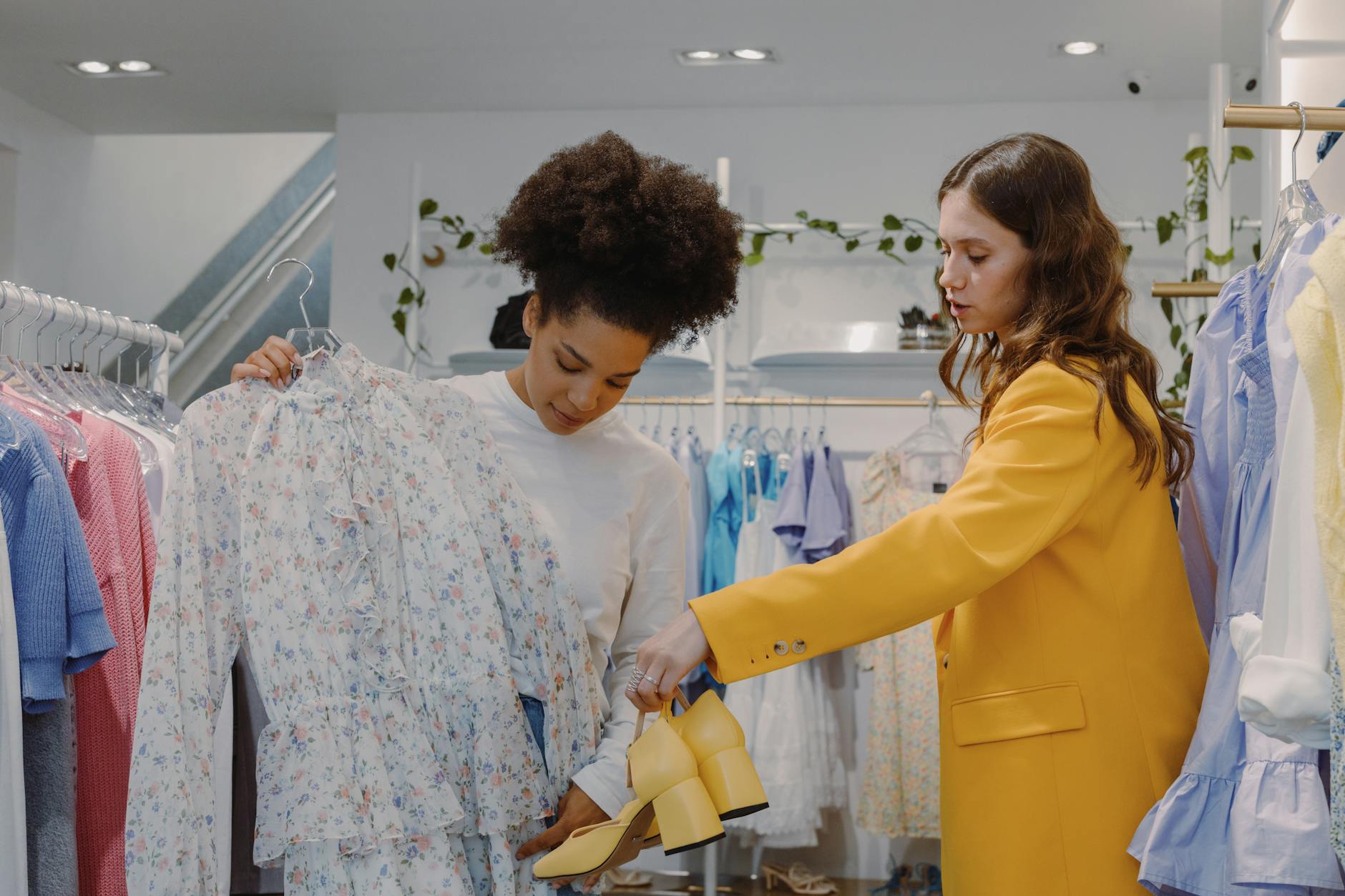
For example, a focus group for a major denim brand might ask you to try on three pairs of jeans and discuss fit, comfort, and whether you’d buy them at different price points. You’d give your honest feedback, and the brand uses your insights to tweak fit, finalize pricing, or adjust their marketing message. A different study might ask you to react to a new e-commerce website design for a clothing retailer, where your feedback shapes how the site feels and functions. The diversity of fashion research means you’re not repeating the same conversation repeatedly if you participate across multiple studies.
How to Find and Qualify for Fashion Focus Groups
Most fashion focus groups come through specialized market research firms and online panels. Companies like Respondent, User Testing (for website and app feedback), Validately, and industry-specific platforms maintain databases of people willing to participate and match you with studies based on your profile. You’ll sign up, complete a detailed screening questionnaire (age, income, shopping habits, fashion preferences), and the firm will invite you to studies where you fit the target demographic. The qualification process is competitive.
If a study needs women aged 35-45 who shop for activewear at least twice a month, and you’re 28, you won’t be invited—there’s no workaround. The tradeoff is that being in the right demographic for multiple studies in a niche area (like sustainable fashion) means you’ll get more invitations. Start by signing up with 3-5 reputable research platforms, complete their profiling thoroughly and honestly, and wait for invitations. Response time matters; if you’re quick to respond to an invite, you’re more likely to be selected, especially for higher-paying groups that fill quickly.
Common Issues, Red Flags, and What to Watch For
Not all focus group opportunities are legitimate. Some fake “opportunities” ask you to pay an upfront fee to join, claim guaranteed earnings (no legitimate study guarantees pay), or seem disorganized with poor communication. Real research firms never charge participants. Another issue: some platforms oversell their payment ranges. A listing might say “$75-$250” but the majority of available studies are $75, with the $250 sessions rare or restricted to niche demographics you don’t fit.
Be skeptical of promises of frequent, high-paying work. Scheduling conflicts are a real limitation. Studies are often scheduled at specific times (e.g., “Tuesday, 6 PM ET”), and you can’t always rearrange your calendar. If you miss the session after confirming, many firms penalize you by excluding you from future studies or requiring a waiting period. Time zone differences also matter if you’re in a platform serving national participants but a study is scheduled for West Coast times and you’re on the East Coast. Additionally, some sessions record video and audio of you—understand that your image and voice may be used internally by the brand, and you won’t have editorial control over how you appear.

Time Commitment and Realistic Earning Expectations
A single fashion focus group typically takes 1-2 hours, including travel time if it’s in-person, plus 10-15 minutes for check-in and paperwork. If you participate once a month, you’d earn roughly $100-$150 monthly from focus groups alone—not a full-time income, but useful supplemental money. Some people participate more frequently if they qualify for multiple studies per month, reaching $300-$500 in a good month. However, that requires fitting many different demographic profiles or being in a niche category the research industry prioritizes.
The reality is most people earn $100-$200 monthly from focus groups if they’re active, not thousands. Don’t expect weekly invitations or consistent work. The research pipeline is uneven—you might get three invitations in one week and then nothing for two months. Use focus groups as one part of a broader paid research strategy (surveys, user testing, other panels) rather than your primary income source.
The Future of Fashion Research and Where Opportunities Are Growing
Fashion research is shifting toward remote moderation as technology improves. More studies now happen over video rather than in-person focus groups, which expands opportunities geographically and makes participation easier. Brands are also increasingly interested in niche audiences—micro-trends, specific body types, underrepresented fashion communities—which creates higher-paying opportunities for people who fit those profiles.
Sustainability and ethical fashion are hot topics right now, so if you’re knowledgeable about or interested in eco-conscious clothing, you’ll likely see more focus group invitations in the coming years. Additionally, brands are moving beyond traditional focus groups to use “community-based research,” where you participate in a small group text conversation or Slack channel discussing products over several days rather than a single two-hour session. These often pay more ($200-$400 for a week-long engagement) and require less scheduling inflexibility. As a participant, staying informed about these emerging formats will help you access better-paying opportunities.
Conclusion
Fashion and apparel focus groups offering $75-$250 are a legitimate way to earn money for sharing your honest opinions about clothing and design. The pay is meaningful but modest—plan for $100-$150 per session on average, with potential to earn more if you fit highly specific demographic profiles. Success requires signing up with reputable research firms, completing thorough profile information, responding quickly to invitations, and being reliable about attending sessions you confirm.
To get started, join 3-5 established research platforms, answer their qualification questions carefully and honestly, and check for invitations regularly. Treat fashion focus groups as supplemental income alongside other paid research opportunities, expect some scheduling limitations and waiting time between studies, and always verify that any platform asking for your participation is legitimate and never requests payment. Your feedback genuinely shapes the fashion products and brands you encounter, making your participation both valuable and worthwhile.



