
Yes, education focus groups regularly pay participants $100 to $300 for their time and input. Teachers, students, and parents are among the most sought-after participants in these paid research studies because they provide direct insights into educational products, policies, curriculum changes, and school-related services. A middle school teacher participating in a focus group about new teaching software might earn $150 for a two-hour session, while a parent discussing school safety protocols could receive $200 for providing detailed feedback on a district initiative. These payments reflect the genuine value that education-focused researchers place on firsthand perspectives from people directly involved in the school system.
Education focus groups are typically conducted by market research firms, educational technology companies, policy organizations, and academic institutions. They seek input on everything from homework help apps and online tutoring services to standardized testing reforms and special education programs. The payment structure varies based on the length of the session, the specificity of the participant’s experience, and the scope of the research project. Some groups are conducted in-person at research facilities or offices, while others occur virtually via video call, which has significantly expanded accessibility to these opportunities since 2020.
Table of Contents
- Who Qualifies for Education Focus Groups and What Payment Ranges Exist?
- How Education Focus Group Research Is Conducted and Compensated
- Which Education Topics and Companies Most Frequently Recruit Focus Group Participants?
- How to Find and Apply for Paying Education Focus Groups
- Screening Requirements, Disqualifications, and Hidden Costs
- Recurring Opportunities and Building a Long-Term Research Participant Profile
- The Broader Context of Education Research and Future Payment Trends
- Conclusion
- Frequently Asked Questions
Who Qualifies for Education Focus Groups and What Payment Ranges Exist?
focus group recruiters have specific criteria that determine both eligibility and payment tiers. Teachers typically qualify across subject areas—science teachers, special education specialists, and English instructors are all actively recruited. The payment reflects their expertise; a teacher with 10+ years of experience discussing curriculum reform might earn $250-$300, whereas a teacher with 2-3 years might receive $100-$150 for the same study. Parents are recruited based on their child’s grade level, school type (public, private, charter), and sometimes their engagement level (involved in school governance vs.
occasional participants). College students and high school students can earn $75-$150 depending on the research focus, though education sector studies pay less than healthcare or technology sector studies. Some focus groups are tier-based, meaning your first participation might pay $100, but returning participants who have proven reliable and engaged earn bonuses or premium rates. A parent who participates in three education focus groups with the same research firm might earn $100 on the first study, $120 on the second, and $150 on the third. Geographic location also matters—studies conducted in major metropolitan areas often pay more than rural locations, though virtual participation has made this less of a barrier.

How Education Focus Group Research Is Conducted and Compensated
Most education focus groups run between 60 and 120 minutes, with compensation scaled accordingly. A 90-minute session typically pays $150-$200, while shorter 45-minute sessions pay $75-$125. The compensation is usually provided as a prepaid card, check, gift card, or sometimes bank transfer, depending on the research firm. One important limitation is that payment timing varies widely—some firms pay at the end of the session in cash or card, while others take 2-4 weeks to process payments, which can be frustrating if you’re counting on immediate compensation. The research method itself shapes both the experience and the payment.
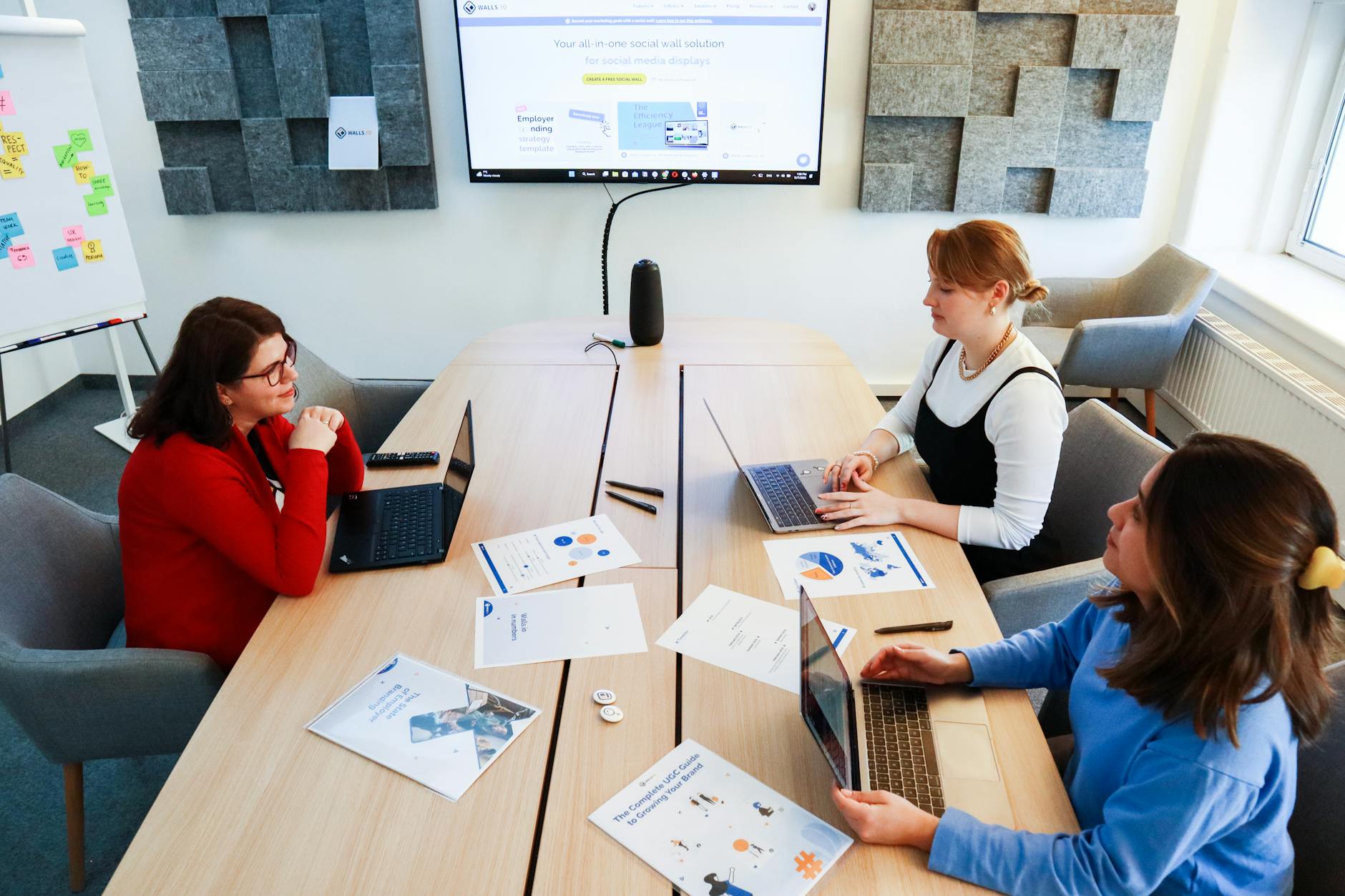
Focus groups typically involve 6-10 participants sitting around a table (or on a video call) with a moderator who guides discussion using prepared questions. Your role is to share opinions, react to prototypes or concepts, and discuss your real experiences with education. This isn’t a survey where you choose answers; it’s a conversation. However, there’s a tradeoff: because focus groups require real-time participation and your input must align with research goals, you’re less likely to be screened out for “wrong” answers in surveys. Your honest perspective is what they’re paying for.
Which Education Topics and Companies Most Frequently Recruit Focus Group Participants?
The most active recruitment happens in three areas: educational technology, policy research, and product development. EdTech companies testing new online learning platforms, homework help apps, and student assessment tools constantly recruit students and teachers. A company developing an AI-powered tutoring platform, for example, might recruit both high school students (who are the end users) and teachers (who understand pedagogical concerns).
Parents often participate in studies about college preparation, student mental health, and school safety products. Policy research organizations, including university departments studying education reform and nonprofit education advocacy groups, frequently recruit teachers and administrators for focus groups on topics like standardized testing, teacher professional development, and curriculum standards. A parent advocating group might be studying perceptions of remote learning options post-pandemic—they’d want 20-30 parents across different school districts to explore attitudes. K-12 educational publishers testing new textbooks or learning materials recruit heavily, and compensation tends to be on the higher end ($200-$300) because teachers and curriculum specialists are in high demand.
How to Find and Apply for Paying Education Focus Groups
The most reliable way to find paying education focus groups is through established market research firms that specialize in education or maintain panels of education professionals. Firms like Insightful.ly, American Insights, and specialized education research agencies maintain databases of teachers and parents. You can also find opportunities through university research centers—many education departments at major universities conduct focus groups and advertise openings on their websites or through local community boards. Some focus group platforms like User Testing and Respondent have education-specific projects, though rates vary.
When applying, accuracy in your profile matters significantly. If you claim to teach high school chemistry but actually teach middle school science, you may be disqualified, and the firm notes unreliable applicants in their database. One comparison worth noting: direct recruitment from schools or school districts often pays better ($200-$300) because those projects have larger budgets, whereas recruitment through general survey platforms sometimes filters education participants into lower-paying studies. The application process typically asks about your education level, current role, children’s ages (if relevant), and school type, taking 5-10 minutes. After approval, you’ll receive invitations to specific studies matching your profile.
Screening Requirements, Disqualifications, and Hidden Costs
Most education focus groups require a brief screening call before the actual session. During this 10-15 minute call, a researcher confirms your background, checks that you meet the study criteria, and assesses your communication skills. This is where about 30-40% of applicants are disqualified—not because of dishonesty, but because the research team discovers the specific education context doesn’t match what they need. A teacher who teaches third grade might apply for a focus group about college-readiness programs and be screened out because the researchers realized they need middle school and high school perspectives. One limitation that catches people off guard is that some focus groups have strict confidentiality agreements and non-compete clauses.
You might be asked not to discuss the study, the company, or the product being tested for 6-12 months. If you work in education and like to share insights in professional settings or on social media, this restriction can be meaningful. Additionally, while compensation is the stated payment, there are rarely hidden costs—but clarify travel expectations upfront. In-person focus groups in urban areas typically reimburse parking or provide it, but a virtual study costs you nothing extra. Make sure you understand payment method and timing before committing, especially if the firm uses a slower payment processor.
Recurring Opportunities and Building a Long-Term Research Participant Profile
Teachers and parents who develop a positive track record with research firms often get invited back repeatedly. A teacher who participates in one focus group about reading interventions with a research agency might receive three similar invitations over the next year because the firm knows they’re reliable, articulate, and have relevant expertise. Some repeat participants earn $1,000-$2,000 per year through multiple focus groups, though this requires joining panels, checking regularly for invitations, and maintaining a strong profile.
Building a profile involves being responsive, showing up on time (or early), and engaging genuinely during sessions. Some firms offer loyalty bonuses or tiered payment increases for repeat participants. One example: A mother of two who participated in four education focus groups over 18 months might earn $100, $100, $150, and $175, increasing as the firm knows she’s dependable and her feedback is thoughtful. Schools sometimes have research partnerships where staff receive invitations to district-relevant studies through official channels, which tend to offer slightly better compensation because the research is directly tied to district decisions.
The Broader Context of Education Research and Future Payment Trends
Education focus group compensation hasn’t increased substantially in the past five years, remaining in the $100-$300 range, while healthcare and financial services focus groups have gradually increased rates. This reflects the funding environment for education research—government grants, nonprofit funding, and smaller education company budgets mean less money is available for research than in sectors with larger commercial stakes. However, as schools increasingly turn to commercial technology solutions and compete for EdTech adoption, teacher and student input is becoming more valuable.
Companies are beginning to offer slightly higher rates ($250-$350) for specialized studies targeting STEM teachers or special education professionals. Looking forward, virtual focus groups are likely to remain standard, which could expand opportunities for rural educators and parents in areas where in-person studies aren’t conducted. The demand for education focus groups will likely stay strong because schools face constant pressure to evaluate new approaches, and research-backed decision-making is increasingly tied to funding and accreditation. For teachers and parents willing to participate regularly, this remains a realistic supplementary income source.
Conclusion
Education focus groups paying $100-$300 are accessible opportunities for teachers, parents, and students willing to share their perspectives on educational products, policies, and practices. These studies matter because educational institutions and companies genuinely need frontline input, and your direct experience—whether managing a classroom, navigating school systems as a parent, or experiencing school as a student—is valuable data. Payment depends on session length, your specific role and expertise, and whether you’re a first-time or repeat participant, but the compensation is generally paid and accessible.
To get started, identify reputable market research firms and education research agencies, build an accurate profile, and check regularly for matching opportunities. Keep expectations realistic—this isn’t a replacement for primary income, but rather a way to earn a few hundred dollars per year for activities that take only a few hours of your time. Set up alerts, participate in studies aligned with your experience, and consider it a pragmatic way to contribute to education research while receiving fair compensation.
Frequently Asked Questions
How long does a typical education focus group take?
Most education focus groups last between 60 and 120 minutes. Shorter concept-testing sessions might run 45 minutes, while deeper discussions about policy or product feedback can extend to two hours. Payment is generally proportional to time commitment.
Can I participate in multiple focus groups simultaneously?
You can participate in multiple focus groups, but most research firms ask that you don’t discuss projects or participate in competing studies for the same product or company within a certain timeframe (often 6-12 months). Participating in studies from different firms on similar topics is typically allowed, though firms may ask during screening.
What if I don’t get selected after screening?
Screening decisions are usually final for a specific study, but you remain in the firm’s database for future projects. If a firm rejects you multiple times, contact support to ask why—sometimes it’s a mismatch in background rather than a reflection on you.
Do I need special skills or experience to participate?
No special skills are required beyond genuine experience in education (as a teacher, parent, or student). Research firms specifically want unscripted, honest perspectives, not polished presentations.
Is payment guaranteed if I participate?
Yes, participation is compensated according to the study agreement. However, confirm payment timing and method upfront—most firms pay within a few weeks if not immediately.
How often can I expect to receive invitations?
Frequency depends on how many studies match your profile and how active the research firms are in your area. Active participants might receive 2-6 invitations per year; others receive 1-2 annually.



