
Beverage testing studies pay between $75 and $200 for most sessions, making them one of the more accessible and straightforward ways to earn money through market research. You show up, taste some soft drinks, energy drinks, or flavored water, share your honest opinions, and walk out with a gift card or check. A recent Bay Area beverage taste test, for example, paid $125 for a single hour of in-person participation — not a bad rate for what amounts to drinking a few sodas and answering questions about them. The compensation varies based on several factors: session length, whether you participate in person or online, the complexity of the product category, and how specific the demographic requirements are.
Online beverage focus groups typically pay $50 to $125, while in-person sessions command higher rates for similar time commitments. Longer studies lasting two or more hours can push into the $150 to $200 range, and some even offer bonuses on top of the base pay. L&E Research, one of the established recruiting firms, has been listing online drink and beverage focus groups paying $100 or more in 2026. This article breaks down what you can realistically expect to earn from beverage testing studies, the different formats these studies take, which companies recruit participants, how often you can participate, and the practical steps to get yourself into these panels. Whether you are considering this as a casual side income or want to maximize your earnings across multiple studies, the details below should give you a clear picture of what is actually involved.
Table of Contents
- How Much Do Beverage Testing Studies Actually Pay for Soft Drinks, Energy Drinks, and Water?
- In-Person vs. Online Beverage Studies and What Each Format Involves
- Which Companies Recruit for Beverage Taste Tests and Focus Groups?
- How to Maximize Earnings Across Multiple Beverage Studies
- Common Pitfalls and Limitations of Beverage Testing Participation
- What Happens During a Typical Beverage Sensory Panel
- The Future of Beverage Testing and Emerging Opportunities
- Conclusion
- Frequently Asked Questions
How Much Do Beverage Testing Studies Actually Pay for Soft Drinks, Energy Drinks, and Water?
The $75 to $200 range you see quoted for beverage testing studies is accurate, but it is a wide range, and where you land within it depends on specifics. Standard 60 to 90-minute focus group sessions through firms like Sago (formerly Schlesinger Group) pay $75 to $150. A 30-minute taste test about beverages in Los Angeles recently offered $40, which falls below the typical range but reflects the shorter time commitment. At the higher end, sessions requiring two or more hours of participation have paid $150 to $200, with at least one study offering a $200 base plus a $150 bonus for extended participation. The product category matters too.
Straightforward consumer beverage taste tests — comparing soft drinks, evaluating new flavors, rating energy drink concepts — tend to fall in the middle of the pay scale. Healthcare and B2B-related research topics command premium rates of $150 to $300 through firms like Sago, but those are not typical beverage studies. For standard consumer product research involving drinks, expect the $75 to $150 range for most sessions. One comparison worth noting: online focus groups across all categories pay $50 to $250 per session in 2026, with beverage and consumer product studies falling in the middle of that spectrum. So if someone is telling you that you will make $300 tasting soda, that is either an outlier or not a legitimate offer. The realistic expectation for a single beverage study session is somewhere around $100 to $125 for an hour of your time.

In-Person vs. Online Beverage Studies and What Each Format Involves
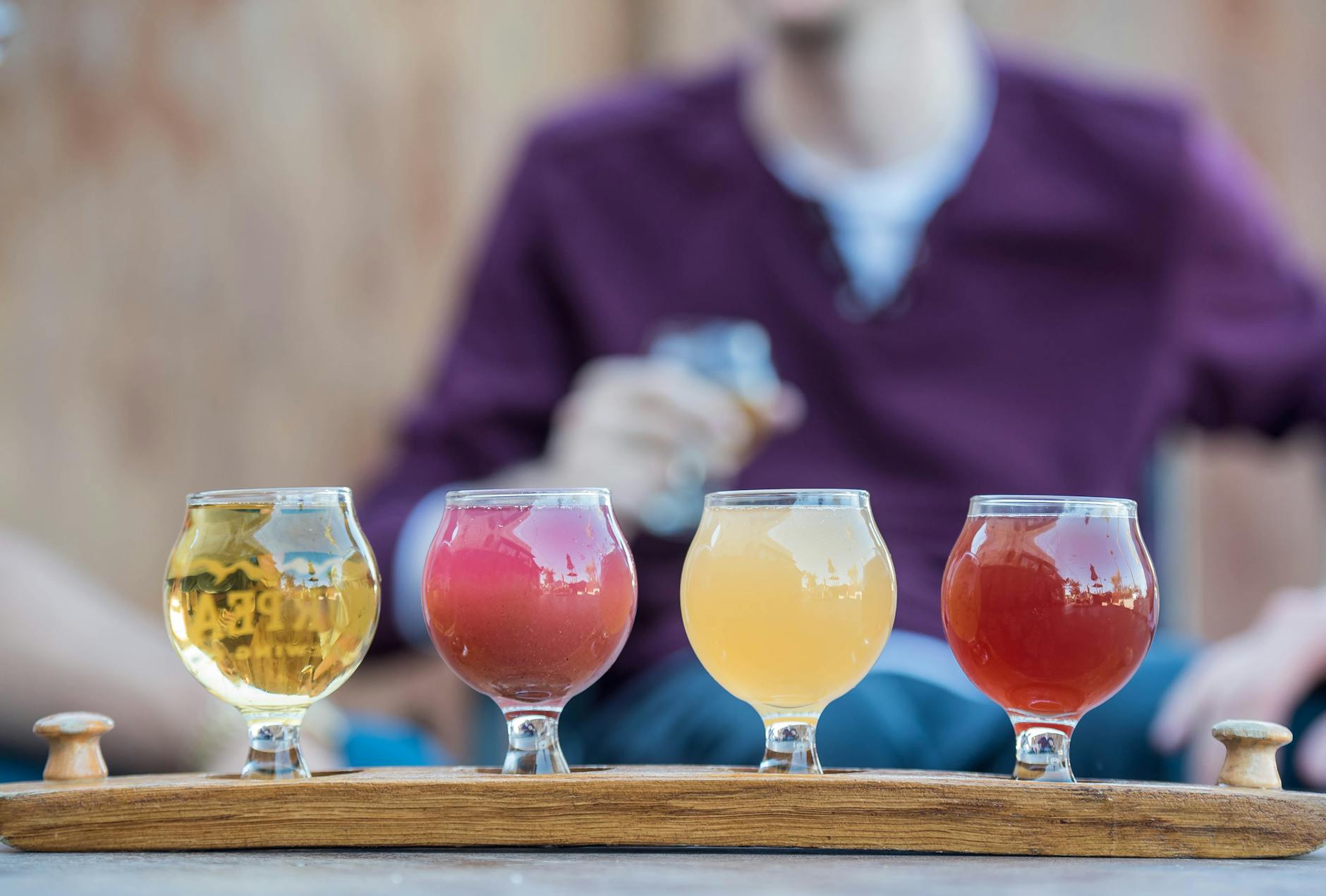
Beverage studies come in several distinct formats, and understanding them helps you decide which opportunities are worth your time. Blind taste tests are the most common — you sample multiple beverages without knowing the brand and rate them on various attributes. Sensory evaluation panels go deeper, asking you to assess sight, smell, taste, touch, and even the sound of opening a container or the carbonation hitting the glass. Package design evaluations focus on the visual presentation, labeling, and physical feel of bottles or cans. Advertising concept reviews have you watch or read proposed marketing materials and provide feedback on messaging and appeal. In-person studies consistently pay more than online equivalents for similar time commitments, and there is a practical reason for this beyond just compensating for travel.
Beverage research often requires you to physically taste products, which obviously cannot happen through a screen. Online beverage studies do exist — they might involve reviewing packaging concepts, discussing brand preferences, or evaluating advertising — but the core taste-testing work happens in person. If you are only willing to participate online, your opportunities in the beverage category specifically will be narrower, and the pay will typically land in the $50 to $125 range. However, if you live outside a major metropolitan area, in-person beverage studies may be rare or nonexistent in your area. Most taste tests are conducted in cities like Los Angeles, San Francisco, New York, and Chicago where research facilities are concentrated. Rural participants should not expect regular access to in-person beverage panels, and the travel required to reach a facility may not be worth the compensation for a single session.
Which Companies Recruit for Beverage Taste Tests and Focus Groups?
Several established market research firms regularly recruit participants for beverage studies. Fieldwork, Focus Forward, Contract Testing, and tasteMakers Research Group all run beverage taste tests and maintain databases of potential participants. Respondent.io and MindMarket also facilitate connections between researchers and participants, with MindMarket specifically listing taste testing as one of their core research methodologies. Sago, the rebranded Schlesinger Group, is one of the largest players and offers a consistent pipeline of consumer product studies including beverages. For a concrete example of how recruitment works, Bay Area Focus Groups posted a $125 in-person beverage taste test in the San Francisco area in February 2026, requiring one hour of participation with payment via Visa or Mastercard gift card.
Around the same time, they listed a $40 taste test in Los Angeles for participants ages 18 to 45, with a 30-minute time commitment. These postings typically go up a few weeks before the study date and fill quickly, which is why being registered with multiple recruiting firms matters. L&E Research is another firm worth watching — they have been recruiting for online drink and beverage focus groups paying $100 or more. The key takeaway is that no single company runs enough beverage studies to keep you busy. You need to be registered with at least four or five firms to see a steady flow of opportunities. Each company maintains its own participant database, and they recruit from their pool when a beverage brand commissions a study.
How to Maximize Earnings Across Multiple Beverage Studies
Here is where the math gets interesting and also where you hit a real ceiling. Most market research companies allow participants to join studies up to four times per year to maintain data integrity. Brands do not want the same people evaluating their products repeatedly because it skews the data. So even if you are registered with every firm out there, your participation with any single company is capped. The workaround is spreading your participation across multiple recruiting firms. If you are registered with six different companies and each allows four studies per year, you theoretically have access to 24 study slots annually.
At an average of $100 per session, that is $2,400 a year — decent supplemental income but not a livelihood. Compare this to the time investment: 24 sessions at roughly 90 minutes each, plus travel time for in-person studies, puts you at maybe 50 to 60 hours annually. The effective hourly rate is strong, but the total volume is limited. The tradeoff between online and in-person participation also affects your total earnings. If you only do online studies averaging $75 per session, your annual take drops to about $1,800 across those 24 slots. Prioritizing in-person studies at $125 to $150 each pushes the total to $3,000 or more, but you spend more time commuting and are limited to opportunities near research facilities. The most pragmatic approach is to take every study you qualify for, regardless of format, and not be too selective unless the compensation is clearly below your time threshold.
Common Pitfalls and Limitations of Beverage Testing Participation
The biggest frustration participants report is qualifying for studies. Beverage brands often target very specific demographics — a particular age range, income bracket, consumption frequency, or brand preference. You might fill out a screener survey for a study paying $175, spend ten minutes answering detailed questions about your drinking habits, and then get a rejection email because they already filled the quota for your demographic. This is normal and not a sign that anything is wrong, but it means you should expect to be screened out of more studies than you qualify for. Tax implications catch some people off guard. Market research compensation is considered taxable income by the IRS.
If you earn $600 or more from a single company in a calendar year, they are required to issue a 1099 form. Even below that threshold, the income is technically reportable. Most participants earning $1,000 to $2,500 annually from studies will not face a significant tax burden, but it is worth tracking your payments and factoring that into your actual take-home calculation. Watch out for studies that require unusually long commitments without proportional compensation. A three-hour session paying $75 works out to $25 per hour, which is below what a standard one-hour session at $100 would pay on a per-hour basis. Similarly, be cautious of studies that ask you to complete extensive pre-work, like week-long beverage diaries, without compensating for that time separately. The posted pay should reflect the total time you spend, not just the time in the facility or on the video call.
What Happens During a Typical Beverage Sensory Panel
A standard beverage sensory evaluation follows a structured protocol. You arrive at the research facility, check in, and are usually seated in an individual booth or at a table separated from other participants to prevent influence. The moderator or researcher explains the process, and then you receive samples — often in small, unmarked cups coded with random numbers. Between samples, you may be asked to cleanse your palate with water or unsalted crackers.
You rate each sample on multiple dimensions: sweetness, carbonation level, aftertaste, mouthfeel, overall appeal, and purchase intent. Some studies use paper ballots, others use tablets or computer terminals. The whole process is methodical and not particularly exciting, but that is precisely why it pays well — brands need careful, honest feedback, and they are willing to compensate for your attention and sincerity. After the tasting portion, there may be a group discussion or individual interview about your impressions, which is where the “focus group” part comes in.
The Future of Beverage Testing and Emerging Opportunities
The beverage industry continues to invest heavily in consumer research, particularly as new product categories expand. Hard seltzers, functional beverages with adaptogens or nootropics, enhanced waters, and low-sugar reformulations of classic soft drinks all require extensive taste testing before launch. This means the volume of available studies is likely to remain steady or grow in the near term.
One emerging trend is hybrid studies that combine an in-person tasting component with follow-up online surveys or at-home trials. These multi-phase studies tend to pay at the higher end of the range — $150 to $200 or more — because they require sustained participation over days or weeks rather than a single session. If you are comfortable with that level of commitment, these represent the best earning opportunities in the beverage research space.
Conclusion
Beverage testing studies offer a legitimate way to earn $75 to $200 per session by providing your opinions on soft drinks, energy drinks, water, and other beverages. The key variables are session length, location, and format — in-person taste tests in major cities pay the most, while online concept-review studies offer convenience at slightly lower rates. Real recent examples confirm these ranges: $125 for a one-hour Bay Area taste test, $100 or more for online drink focus groups through L&E Research, and $75 to $150 through established firms like Sago. To get started, register with multiple recruiting firms including Fieldwork, Focus Forward, Contract Testing, TasteMakers Research Group, Respondent.io, and Sago.
Complete your profile thoroughly so you can be matched to relevant studies. Expect to be screened out of some opportunities — that is part of the process. Keep your participation spread across companies to work within the typical four-studies-per-year limit per firm, and track your earnings for tax purposes. The hourly rate is genuinely good, even if the total annual income has a natural ceiling.
Frequently Asked Questions
How much do beverage taste test studies pay?
Most beverage testing studies pay between $75 and $200 per session, depending on length and format. Standard 60 to 90-minute sessions typically pay $75 to $150, while longer studies of two or more hours can reach $150 to $200. Online beverage focus groups generally pay $50 to $125.
How often can I participate in beverage focus groups?
Most market research companies limit participants to about four studies per year to maintain data integrity. However, by registering with multiple recruiting firms, you can participate in more studies overall — just not more than four with any single company.
Do I need special qualifications to join beverage testing panels?
No formal qualifications are needed, but you must match the demographic profile each study targets. This often includes age range, geographic location, beverage consumption habits, and sometimes income level. You will fill out a screener survey for each study to determine if you qualify.
Are beverage study earnings taxable?
Yes. Market research compensation is considered taxable income. If you earn $600 or more from a single company in a calendar year, they must issue a 1099 form. Even below that threshold, the income should be reported on your tax return.
What is the difference between a taste test and a beverage focus group?
A taste test is typically a structured sensory evaluation where you sample and rate products individually. A focus group involves group discussion about beverages, brands, or marketing concepts, usually moderated by a researcher. Some studies combine both elements. Taste tests are always in person, while focus groups can be conducted online.
How do I find beverage testing studies near me?
Register with recruiting firms such as Fieldwork, Focus Forward, Contract Testing, TasteMakers Research Group, Respondent.io, MindMarket, and Sago. Also check regional sites like Bay Area Focus Groups and FindPaidFocusGroup.com. Most opportunities are concentrated in major metropolitan areas.



