
Alcohol taste tests run by market research firms regularly pay between $100 and $250 for a single session, and some studies go even higher. A recent Ascendancy Research listing for an adult beverages study offered $260 for participants ages 21 and older, while a 90-minute online beverages focus group posted on FocusGroups.org paid $200 for a virtual session plus brief pre-work. These are not rare outliers — paid alcohol research studies post consistently across recruiting platforms, and the compensation reflects the specific demographic targeting and product knowledge that beverage companies need from participants. The demand behind these payouts is straightforward.
Beer, wine, and spirits brands spend heavily on consumer research before launching new products, reformulating existing ones, or repositioning their marketing. They need real drinkers — not just anyone who will show up — segmented by drinking habits, brand preferences, and consumption frequency. That specificity drives compensation above what you would see for general consumer surveys. This article breaks down what these studies actually pay, how the testing process works, the different formats you will encounter, where to find legitimate listings, and what disqualifies people from participating.
Table of Contents
- How Much Do Beer, Wine, and Spirits Taste Test Studies Actually Pay?
- How Blind Taste Testing Works in Alcohol Research
- In-Person, At-Home, and Online — The Three Formats You Will Encounter
- Where to Find Legitimate Alcohol Taste Test Studies
- What Disqualifies You and What to Watch Out For
- What Happens During a Typical Session
- Why Alcohol Research Spending Is Likely to Grow
- Conclusion
- Frequently Asked Questions
How Much Do Beer, Wine, and Spirits Taste Test Studies Actually Pay?
Compensation varies by format, location, and how niche the target demographic is. Based on verified listings, the range for alcohol-specific studies falls between $125 and $260 in most cases. A Denver-based in-person alcohol focus group listed on FocusGroups.org paid $125. Honest Recruiting Services LLC posted an alcohol study paying $150 across multiple cities for participants ages 21 and older. Focus Group Panel listed a 60-minute online alcohol focus group at $125 for adults ages 21 to 55. At the higher end, the Ascendancy Research adult beverages study paid $260, and the online beverages session mentioned above came in at $200 for 90 minutes.
These numbers align with broader industry benchmarks. Drive Research, a market research firm, reports that a 90-minute in-person focus group typically pays $75 to $100 in mid-size markets like Syracuse, New York, and $100 to $125 in major metros like New York City. Alcohol studies tend to pay at or above these ranges because of the age restriction and the need for specific drinking profiles. If a brand is testing a new flavored malt beverage, they do not want wine-only drinkers in the room — that targeting costs more in recruiting, and the compensation reflects it. One important distinction: online and phone studies generally pay less than in-person sessions because participants do not need to account for travel time. However, virtual alcohol studies can still pay well — the $200 online beverages session is evidence of that — particularly when the session length is longer or the pre-work requirements are involved.
How Blind Taste Testing Works in Alcohol Research
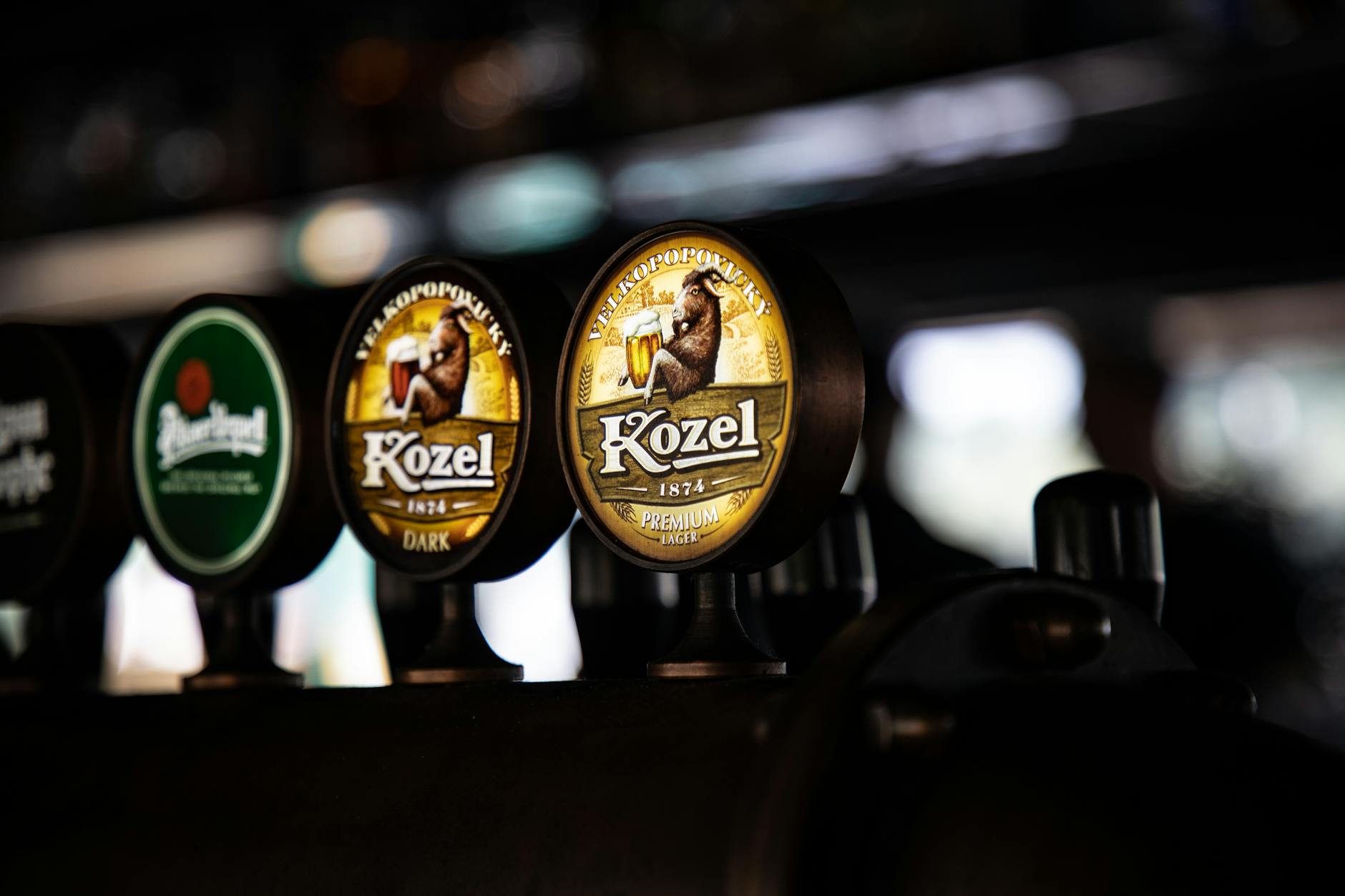
The standard methodology for alcohol taste tests is blind testing. Brand identities are concealed so that researchers get unbiased feedback. You will not know whether you are sampling a craft IPA from a small brewery or a mass-market lager from a multinational conglomerate. Participants taste products and then provide feedback through structured questionnaires and rating scales covering flavor, aroma, mouthfeel, aftertaste, and overall preference. The goal is to isolate what consumers actually experience from what they think they prefer based on brand loyalty or packaging. Researchers recruit participants based on specific drinking habits.
If a spirits company wants feedback on a new bourbon expression, they will recruit whiskey drinkers — not people who only drink white wine. Common segmentation categories include light beer drinkers, flavored malt beverage consumers, spirits drinkers, and wine drinkers. Drive Research documented this approach in a published alcohol market research case study, noting that targeting specific consumer profiles is fundamental to getting usable data. However, if you rarely drink or only consume alcohol socially a few times a year, many of these studies will screen you out during the qualification survey. Brands want feedback from people whose palates are calibrated to the category. That does not mean you need to be a sommelier, but saying you drink beer “once or twice a year” will likely disqualify you from a beer taste test. This is worth knowing before you spend time on screening questionnaires — be honest about your habits, but understand that light or infrequent drinkers are not the target for most of these panels.
In-Person, At-Home, and Online — The Three Formats You Will Encounter
Alcohol taste test studies come in three primary formats, each with different logistics and compensation structures. Central-Location Testing, known as CLTs, brings participants to a facility — often a dedicated research center, hotel conference room, or rented commercial space. You show up, taste products in a controlled environment, fill out surveys, and leave with your payment. The Denver alcohol focus group paying $125 is a typical example of a CLT. These sessions are the most common format for sensory evaluation because researchers can control variables like serving temperature, portion size, and the order of tasting. In-Home Use Testing, or iHUTs, ships products directly to participants.
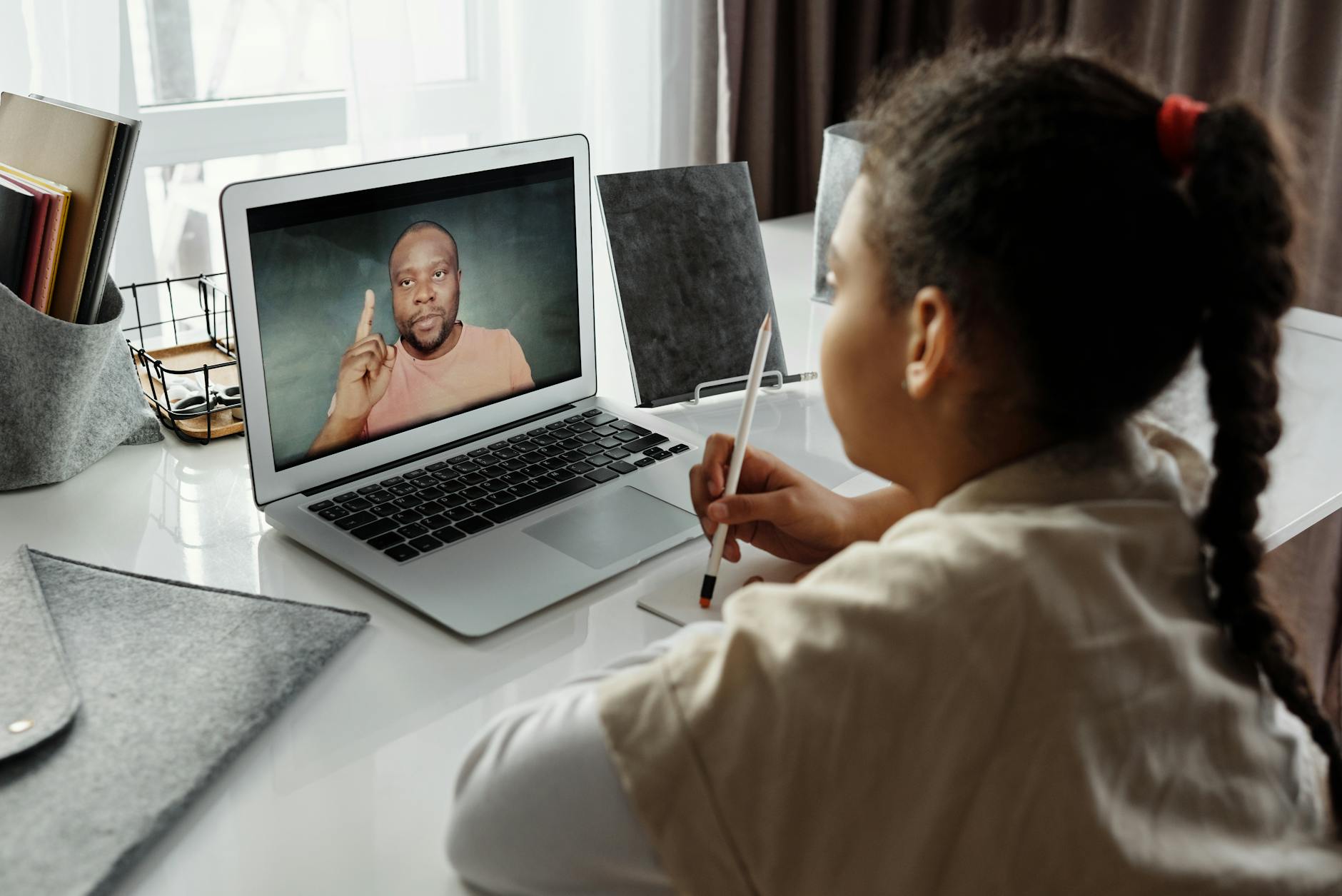
You receive the samples at your door, taste them on your own schedule according to provided instructions, and then complete an online survey or diary over several days. iHUTs are less common for spirits and wine because of shipping regulations on alcohol — many states restrict direct-to-consumer alcohol shipments — but they do occur for beer and ready-to-drink cocktails in states where shipping is permitted. Compensation for iHUTs can vary widely depending on the time commitment and the number of products tested. Online focus groups conducted via video chat have become increasingly prevalent. The $200 online beverages session and the $125 Focus Group Panel listing are both virtual formats. In these sessions, a moderator guides a small group discussion about drinking preferences, brand perceptions, or reactions to concepts and packaging — though actual product tasting is sometimes replaced by discussion of past experiences or evaluation of visual materials. The tradeoff is convenience versus sensory precision: you participate from home, but the research firm loses some control over the tasting conditions.
Where to Find Legitimate Alcohol Taste Test Studies
The most reliable way to find these studies is through established focus group recruiting platforms. FocusGroups.org aggregates paid focus group listings across categories, including alcohol studies, and allows you to filter by location and compensation. Focus Group Panel specifically recruits for alcohol and beverage research and had the 60-minute, $125 online alcohol focus group listed for participants ages 21 to 55. Both platforms let you create a profile and receive notifications when studies matching your demographics become available. For a different angle, the National Institute on Alcohol Abuse and Alcoholism maintains a “Join a Study” page at niaaa.nih.gov listing clinical research studies. These are not the same as commercial taste tests — they are federally funded research studies — but some compensate participants and involve alcohol consumption or evaluation in a clinical setting.
The pay structure and purpose differ significantly from brand-sponsored taste tests, so understand what you are signing up for. Major market research firms also recruit directly. Drive Research, SIS International, C+R Research, and Blueberry all have alcohol and beverage divisions. SIS International maintains specialized beer consumer panels across 53 countries, segmented by consumption frequency, style preferences, craft affinity, and category engagement. Signing up with multiple firms and platforms increases your chances, but the tradeoff is managing more profiles and screening surveys. There is no single clearinghouse that lists every available study, so casting a wide net is the practical approach — just verify that any platform you use has a verifiable track record before handing over personal information.
What Disqualifies You and What to Watch Out For
The universal hard requirement is age. You must be 21 or older to participate in any alcohol-related research study in the United States. Beyond that, most studies have additional screening criteria that can disqualify you. Working in the alcohol industry, advertising, or market research will almost always disqualify you — companies do not want competitors or people with professional biases evaluating their products. Having participated in a similar study within the past three to six months is another common exclusion, as researchers want fresh perspectives. Health conditions that interact with alcohol consumption may also screen you out.
Researchers have ethical and liability concerns about asking someone with a history of alcohol use disorder to taste test products. Some screening questionnaires ask about medication use, since certain prescriptions interact dangerously with alcohol. These are not arbitrary hurdles — they exist to protect both the participant and the research firm. On the scam-avoidance front, legitimate studies will never ask you to pay a fee to participate, purchase products upfront with a promise of reimbursement, or provide your Social Security number during screening. If a listing feels off — vague company names, upfront payment requests, or compensation that sounds wildly above market rates — walk away. The verified range of $100 to $260 is a reasonable benchmark. A listing promising $500 for a 20-minute beer survey should raise immediate skepticism.

What Happens During a Typical Session
A standard in-person CLT session for alcohol runs roughly 60 to 90 minutes. You check in, verify your identity and age, and sign consent forms acknowledging that you will be consuming alcohol. Researchers then present samples — usually three to six products — in a specific order designed to minimize palate fatigue. Between samples, you may be given water or plain crackers as palate cleansers.
After each sample, you complete a structured questionnaire rating attributes like appearance, aroma, flavor intensity, sweetness, bitterness, and overall appeal. Some sessions include a group discussion component after individual tasting, where a moderator probes deeper into preferences and reactions. At the higher end of research sophistication, firms like SIS International incorporate technology beyond traditional questionnaires. Their testing methodology uses AI-assisted sentiment analysis, facial coding, and biometric response measurement alongside conventional sensory evaluation. This means your facial expressions and physiological responses may be captured and analyzed in addition to what you write on a survey — something to be aware of if that level of observation is not something you are comfortable with.
Why Alcohol Research Spending Is Likely to Grow
The beverage alcohol industry is in a period of significant product experimentation and consumer segmentation, which means more research dollars flowing into taste testing. Penn State Extension reports ongoing shifts in alcoholic beverage trends for 2026, including premiumization — the consumer move toward higher-quality, more expensive products — and growing interest in craft and specialty offerings. When brands compete on flavor differentiation rather than price alone, consumer taste testing becomes essential to product development.
The IWSR, a leading drinks market analysis firm, identifies six key drivers shaping beverage alcohol in 2026 and beyond, pointing to continued investment in consumer research and product development. For participants, this translates to a steady pipeline of paid opportunities. New product categories like hard seltzers, canned cocktails, and non-traditional spirit infusions all require extensive consumer testing before launch. As long as brands keep innovating and competing for shelf space, they will keep paying real people to taste and evaluate what they make.
Conclusion
Alcohol taste test studies paying $100 to $250 are a real and recurring opportunity for adults 21 and older who drink regularly enough to provide useful feedback. Verified listings show compensation ranging from $125 for a standard 60-minute session to $260 for more involved studies, with online formats typically falling in the $125 to $200 range and in-person sessions at facilities paying competitive rates in major metro areas. The key variables that determine your pay are session length, location, format, and how specific the target demographic is.
To start finding these studies, create profiles on FocusGroups.org and Focus Group Panel, sign up with market research firms that have beverage divisions like Drive Research and SIS International, and check the NIAAA clinical study listings for research-oriented opportunities. Be honest on screening questionnaires about your drinking habits and frequency — misrepresenting yourself wastes everyone’s time and may get you flagged by recruiting firms. With consistent effort across multiple platforms, qualifying for one or two paid alcohol studies per quarter is a realistic expectation for someone in a major market who fits common demographic targets.
Frequently Asked Questions
Do I actually drink alcohol during taste test studies?
In most in-person CLT sessions, yes — you will consume small amounts of real alcoholic beverages. Online focus groups may instead discuss your drinking experiences and evaluate packaging or concepts without actual tasting. The format will be disclosed during screening.
How long does a typical alcohol taste test take?
Most sessions run 60 to 90 minutes. The Denver alcohol focus group paying $125 was a standard-length session, while the $200 online beverages study ran 90 minutes plus brief pre-work. Longer sessions and those requiring homework generally pay more.
Will participating in alcohol studies affect my ability to drive home?
Legitimate in-person studies serve small, controlled portions and many provide waiting periods, rideshare vouchers, or public transit information. However, you should always plan your transportation accordingly and never drive if you feel any impairment.
Can I participate if I live in a rural area?
Online focus groups are available regardless of location — the $125 and $200 virtual sessions listed had no geographic restriction beyond being U.S.-based and 21 or older. In-person CLTs are concentrated in major metros, so rural participants will have fewer local options.
How often can I participate in alcohol taste tests?
Most firms enforce a cooldown period of three to six months between studies in the same product category. You can participate in studies across different categories more frequently, but over-participation may flag you in recruiter databases.
Is the compensation taxable income?
Yes. Focus group and research study payments are considered taxable income. If you earn $600 or more from a single company in a calendar year, expect to receive a 1099 form. Keep your own records of payments received from all sources.



