
Fragrance testing focus groups typically pay between $75 and $200 per session, with standard in-person studies running 60 to 90 minutes at $75 to $150 and extended sessions of two to three hours reaching $200 to $400. Some studies pay considerably more — an online perfume and cologne study recently listed on FindPaidFocusGroup.com offered $375 for just 30 minutes, and an in-person fragrance focus group in Midtown Manhattan paid $250 cash for a 2.5-hour session evaluating premium fragrances. The pay varies widely depending on format, length, location, and how specific the demographic requirements are. These opportunities exist because the fragrance industry spends heavily on consumer research before launching new products.
The global fragrance market is valued at roughly $69.7 to $82.4 billion in 2026 and is projected to reach $121 billion by 2031, according to Mordor Intelligence. Companies like Givaudan, IFF, Firmenich, and Symrise all run consumer evaluation panels to test scents on real people before committing to production. That testing pipeline creates a steady stream of paid opportunities for everyday consumers willing to sniff, wear, and evaluate fragrances. This article covers where to find legitimate fragrance studies, what the testing process actually involves, how to maximize your earnings, which platforms list the best-paying opportunities, and whether fragrance evaluation could become more than a side hustle.
Table of Contents
- How Much Do Fragrance Testing Focus Groups Actually Pay?
- Where to Find Legitimate Perfume and Cologne Research Studies
- What Happens During a Fragrance Testing Session
- How to Qualify for Higher-Paying Fragrance Studies
- Common Pitfalls and Limitations of Fragrance Focus Group Work
- Gen Z and the Fragrance Boom Driving More Research Spending
- Can Fragrance Testing Become a Career?
- Conclusion
- Frequently Asked Questions
How Much Do Fragrance Testing Focus Groups Actually Pay?
The compensation range for fragrance studies is broader than most people expect, and the format of the study matters more than anything else. Quick online surveys about perfume preferences might pay as little as $2 to $125, while home-use product testing panels like thePinkPanel typically offer $50 to $100 in gift cards plus free products. Standard in-person focus groups where you sit in a facility and evaluate scents for an hour or two land in the $75 to $200 range that most participants encounter. Multi-day studies, where you wear a fragrance over a period and report back on longevity and skin chemistry, can pay $500 or more. The highest-paying studies tend to target narrow demographics.
That NYC fragrance focus group paying $250 for 2.5 hours specifically sought men and women ages 25 to 40 — not a general population sample. When a brand needs feedback from a particular age group, income bracket, or fragrance usage profile, they have to pay more to fill those seats. An online fragrance study listed on FindPaidFocusGroup.com paying $125 was open to males and females 18 and older, a much broader pool, which partly explains the lower rate. One comparison worth noting: home-use product testing typically pays $10 to $30 per hour and is often compensated through Amazon gift cards rather than cash. That is significantly less per hour than a focused in-person session, but the time commitment is spread out and you can do it from home. If you value flexibility over maximizing your hourly rate, home-use panels are the easier entry point.

Where to Find Legitimate Perfume and Cologne Research Studies
Several platforms specialize in aggregating fragrance research opportunities, though none of them will keep you busy full-time on fragrance studies alone. focusGroups.org maintains a dedicated perfume category that aggregates studies nationwide, including both surveys and in-person product tests. FindPaidFocusGroup.com lists online and in-person fragrance studies with upfront compensation details, which saves time compared to platforms that hide pay rates until you apply. Schlesinger Group, now operating under the Sago brand, is a major market research recruiter that regularly runs product and fragrance studies through their own facilities. For ongoing involvement rather than one-off studies, panels like The Perfume Club and Fragrance Families offer continuous participation where you earn reward points convertible to Amazon or Walmart vouchers.
SIS international Research also conducts fragrance and perfume market research and recruits participants for various study formats. Craigslist, despite its reputation, remains a legitimate source — that $250 NYC focus group was posted there, and many research firms use it to recruit locally. However, not every listing is legitimate, and fragrance studies are occasionally used as a front for data harvesting or bait-and-switch marketing pitches. If a study asks you to pay anything upfront, requests your Social Security number during screening, or promises compensation that sounds wildly out of proportion to the time commitment — say $1,000 for a 15-minute survey — walk away. Legitimate market research firms never charge participants and typically ask only for basic demographic information during the screening phase.
What Happens During a Fragrance Testing Session
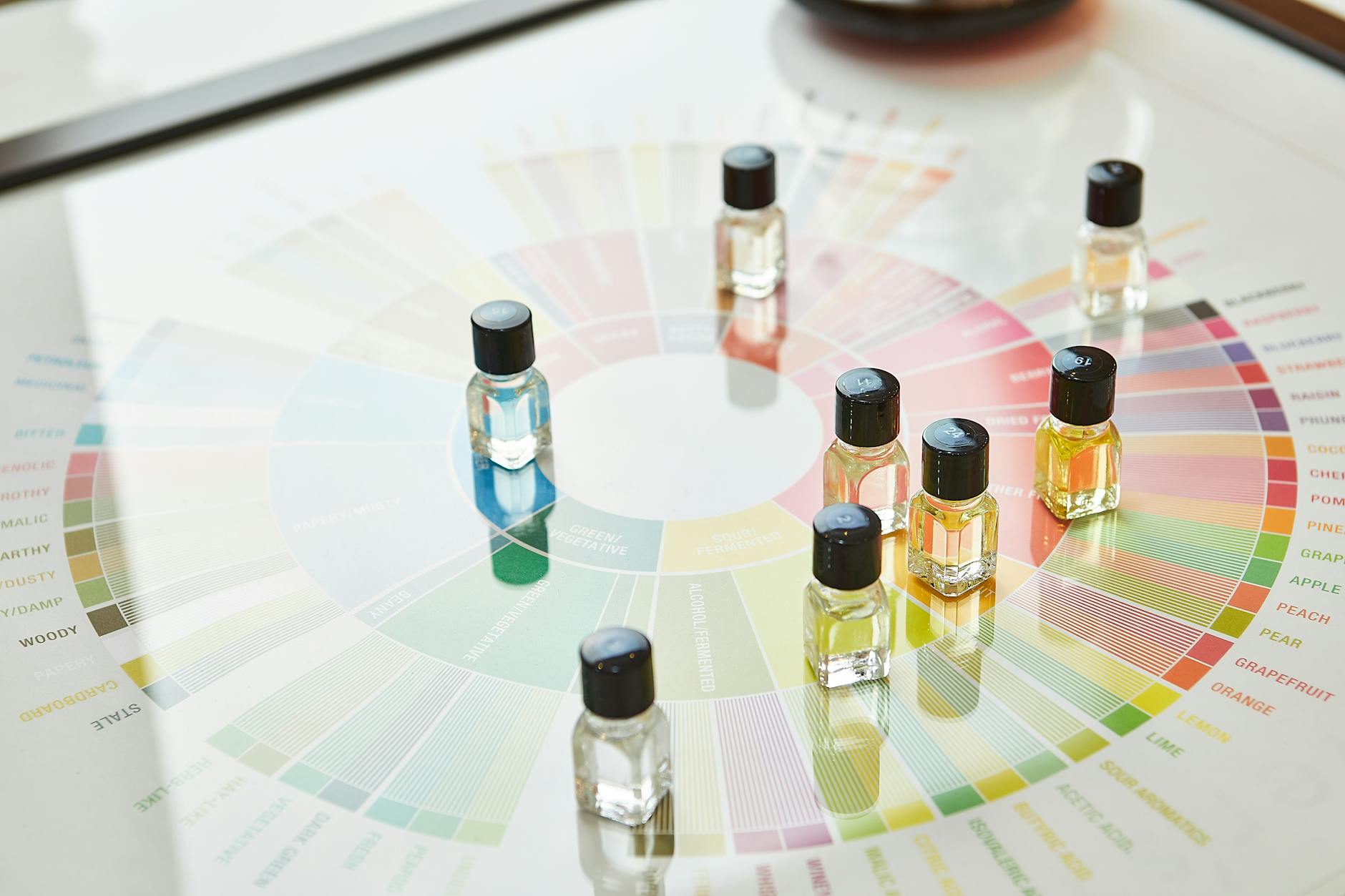
The actual testing process varies by study type, but most fragrance focus groups follow a structured evaluation format. Participants typically smell and evaluate fragrance notes, assessing characteristics like longevity, sillage (how far the scent projects), and overall appeal. In a standard facility-based session, you might evaluate anywhere from three to twelve fragrances, using paper blotter strips or applying scents to your skin, then providing structured feedback through questionnaires and guided group discussion. This matters to brands because consumer behavior data shows that 68% of consumers prefer testing a fragrance for at least two weeks before buying a full bottle, according to Scento. Consumers who do test fragrances before purchasing show a 3.2x higher repurchase rate.
Those numbers explain why companies invest so heavily in pre-market testing — getting the scent right before launch directly impacts whether customers come back for a second bottle. Home-use studies take a different approach. You receive one or more fragrances to wear over several days or weeks, then complete daily or weekly check-ins about how the scent develops on your skin, how long it lasts, and whether you receive compliments or complaints. These studies generate data that cannot be captured in a two-hour facility visit, which is why they exist alongside shorter formats. The trade-off is that home-use studies require more sustained attention and the per-hour rate tends to be lower, but some participants prefer the convenience and the free product.
How to Qualify for Higher-Paying Fragrance Studies
Qualifying for the better-paying studies requires more than just signing up on a platform and waiting. Most fragrance research firms use screening surveys to filter participants, and your responses determine whether you get invited to a $50 online survey or a $375 focused session. The key factors are typically your age, gender, household income, how often you purchase fragrances, which brands you currently use, and whether you have any allergies or sensitivities that would interfere with scent evaluation. The trade-off between casting a wide net and targeting premium studies is real. Signing up for every panel — FocusGroups.org, FindPaidFocusGroup.com, Schlesinger/Sago, thePinkPanel, SIS International — increases your chances of being matched to studies, but each platform requires maintaining an updated profile and responding quickly to invitations.
Spots fill fast, especially for high-paying in-person sessions. That $250 NYC study ran for only two days in March 2026 and likely filled its participant roster within a week of posting. Speed matters. Men’s fragrance is currently the fastest-growing segment in the market, expanding at 8.84% CAGR through 2031 according to Mordor Intelligence. This means brands are investing more in research targeting male consumers, and men who participate in fragrance studies may find more opportunities and higher pay than in previous years. A product test specifically for men on fragrances in NYC was recently listed on FocusGroups.org, reflecting this trend.
Common Pitfalls and Limitations of Fragrance Focus Group Work
The most common frustration participants report is inconsistency. You might qualify for three studies in one month and then hear nothing for six weeks. Fragrance testing is seasonal — launches cluster around holidays, Valentine’s Day, and Father’s Day — so the research pipeline follows the same rhythm. Expecting steady income from fragrance focus groups alone is unrealistic for most people. Another limitation is geographic.
The highest-paying studies tend to be in-person, and those are concentrated in cities with major market research facilities: New York, Los Angeles, Chicago, and a handful of other metros. If you live in a smaller market, you are largely limited to online surveys and home-use panels, which pay less. That said, the shift to remote research has expanded access — the $375 online perfume study and the $125 online fragrance study were both remote, meaning location was not a barrier. Scent fatigue is a real occupational hazard. Evaluating many fragrances in a single session can overwhelm your olfactory system, and some participants find it physically uncomfortable. Research facilities typically provide coffee beans or neutral palate cleansers between evaluations, but if you are sensitive to strong scents or have a history of migraines triggered by fragrance, this type of research may not be worth the compensation.

Gen Z and the Fragrance Boom Driving More Research Spending
The surge in fragrance research opportunities is not random — it is driven by a generational shift in how people buy and wear scent. Gen Z increased fragrance spending by 26% in 2024, and the hashtag #PerfumeTikTok has accumulated 6.4 billion views, according to Scento. The average consumer now owns six to ten bottles, up from fewer, reflecting a move away from the single “signature scent” toward a wardrobe approach where different fragrances suit different moods or occasions.
This behavioral shift means brands need more granular consumer data than ever. It is not enough to know whether a fragrance smells “good” — companies need to understand how it fits into a consumer’s existing collection, whether it works for daytime versus evening, and how it performs across different skin types over multiple wearings. That complexity drives longer, more involved, and better-compensated studies. With 773 million people expected to buy fragrances online by 2026, making up 25% of total sales, digital-first research panels are also expanding rapidly.
Can Fragrance Testing Become a Career?
For a small number of people, fragrance evaluation moves beyond side income into professional territory. Full-time perfume tester positions pay $16 to $33 per hour according to ZipRecruiter, while fragrance evaluation roles range from $18 to $76 per hour depending on specialization and employer. Salaried fragrance evaluator positions at major firms like Givaudan ($100,000 to $125,000 per year), Estée Lauder, Symrise, and Cosmo International Fragrances range from $44,000 to $160,000 annually.
The gap between casual focus group participation and professional fragrance evaluation is significant and requires formal training in sensory science, perfumery, or a related field. But if you find that you have a strong nose and genuinely enjoy the evaluation process, focus group participation can serve as both income and a way to explore whether the fragrance industry is worth pursuing more seriously. The market is growing at 8.04% CAGR through 2031, which means demand for people who can evaluate scent — at every level from casual panelist to trained professional — is not going away.
Conclusion
Fragrance testing focus groups offer a legitimate way to earn $75 to $200 per session, with premium opportunities pushing well above that range for the right demographic and study format. The key to maximizing earnings is signing up across multiple platforms — FocusGroups.org, FindPaidFocusGroup.com, Schlesinger/Sago, thePinkPanel, and SIS International Research — keeping your profile current, and responding quickly when invitations arrive. In-person studies in major metros pay the most, but online and home-use options have expanded access for participants in smaller markets.
The fragrance industry’s growth trajectory and the shift toward more complex consumer research means these opportunities are likely to increase in both frequency and compensation over the coming years. Whether you treat it as an occasional side hustle or a stepping stone toward professional sensory evaluation, fragrance testing is one of the more pleasant ways to participate in paid market research. Start by completing screening profiles on two or three platforms this week, and be honest about your fragrance habits — the studies you actually qualify for will match your real consumer profile, not the one you wish you had.
Frequently Asked Questions
Do I need any special qualifications to join a fragrance focus group?
No formal qualifications are required. Most studies screen for basic demographics — age, gender, location, and fragrance purchasing habits. Some premium studies target specific consumer profiles, like men aged 25 to 40 or people who spend more than a certain amount on fragrance annually. Having allergies or extreme scent sensitivities may disqualify you from certain studies.
How quickly do fragrance focus groups fill up?
High-paying in-person studies can fill within days of posting. The $250 NYC study ran for only two days, meaning the recruitment window was narrow. Online studies tend to stay open longer because they can accommodate more participants, but responding within 24 to 48 hours of receiving an invitation significantly improves your chances.
Are fragrance focus groups paid in cash or gift cards?
It depends on the study. In-person focus groups more commonly pay cash, checks, or direct payment services like Zelle. Online surveys and home-use panels frequently pay through Amazon gift cards or reward points redeemable at retailers. Always confirm the payment method before committing your time.
Can I do fragrance focus groups if I live outside a major city?
Yes, though your options will be more limited. Online surveys, remote focus groups, and home-use testing panels are available regardless of location. The $375 online perfume study and the $125 online fragrance study were both location-independent. In-person studies, which tend to pay more, are concentrated in cities like New York, Los Angeles, and Chicago.
How many fragrance studies can I realistically do per month?
Most participants land one to three studies per month across all platforms, and not all of those will be fragrance-specific. Market research firms typically limit how often the same person can participate to avoid biasing their data. Signing up for multiple platforms and being open to adjacent product categories — skincare, cosmetics, personal care — increases your overall study frequency.
Is there a risk of scams when looking for fragrance focus groups?
Yes. Legitimate studies never ask you to pay upfront, never request your Social Security number during screening, and do not require you to purchase products before participating. Stick to established platforms like FocusGroups.org, FindPaidFocusGroup.com, and known research firms like Schlesinger/Sago and SIS International Research. If an offer sounds too good to be true or pressures you to act immediately with limited information, skip it.



