
Cosmetics testing focus groups pay between $75 and $300 per session depending on the study length, product category, and how specific the demographic requirements are. A standard 60-minute skincare or makeup focus group typically pays $75 to $150, while longer sessions lasting 90 minutes to two hours can pay $200 or more. Companies like Respondent.io report an average payout of $100 per hour across their studies, and dedicated beauty testing panels such as thePinkPanel and the L’Oréal VIP Testing Community actively recruit participants year-round. The cosmetics industry spends heavily on consumer feedback. Clinical trials for a single cosmetic product cost brands $20,000 to $50,000, and even consumer perception tests run a fraction of that.
That spending translates directly into compensation for people willing to sit in a room, try a moisturizer, and share honest opinions about texture, scent, and packaging. This article covers what these studies actually pay, which companies are actively recruiting panelists, how to qualify for higher-paying sessions, what the testing process looks like, common pitfalls to avoid, and what payment methods to expect. Beyond the per-session payouts, many product testing panels let you keep the skincare and makeup products you evaluate. Princeton Consumer Research, for example, pays approximately $25 per hour at their testing facilities and participants walk away with the free products on top of their cash compensation. That combination of pay plus product makes cosmetics testing one of the more appealing corners of the paid research world.
Table of Contents
- How Much Do Cosmetics Testing Focus Groups Pay for Skincare and Makeup Studies?
- Which Companies Actively Recruit for Paid Cosmetics Testing Panels?
- What Happens During a Cosmetics Focus Group Session?
- How to Qualify for Higher-Paying Skincare and Makeup Studies
- Payment Methods and Common Issues With Cosmetics Testing Compensation
- Why Brands Spend So Much on Cosmetics Consumer Testing
- The Future of Paid Cosmetics Research and What to Expect
- Conclusion
- Frequently Asked Questions
How Much Do Cosmetics Testing Focus Groups Pay for Skincare and Makeup Studies?
Pay rates for cosmetics focus groups break down along predictable lines. Standard 60-minute sessions pay $75 to $150. Bump that to 90 minutes and the range shifts to $100 to $200. Extended two-hour sessions regularly hit $200 to $400 or higher, particularly when the brand is testing a prestige product launch or needs feedback from a narrow demographic slice. Clinical skincare studies that require multiple visits over several weeks can pay $100 or more per study, with some multi-visit protocols compensating significantly more depending on frequency and duration. The variation in pay comes down to what the brand needs. A quick online survey about your moisturizer preferences might pay $10 to $25. A 90-minute in-person focus group where you test three serums and discuss your skin concerns with a moderator pays $150 to $200.
And a clinical study where you apply a new retinol formula daily for four weeks, visit a lab for instrument measurements, and complete detailed journals could pay $300 or more. Validated Claim Support in Teaneck, New Jersey, for instance, pays local participants via a reloadable debit card after each completed skincare and cosmetics study, offering ongoing earning potential for people near their facility. One important distinction: focus groups and product testing panels are different animals. Focus groups are one-time, scheduled discussions that pay a flat rate. Product testing panels are ongoing relationships where you receive products periodically and get paid per completed evaluation. Both fall under the cosmetics testing umbrella, but the income patterns differ. Panel work tends to be steadier but lower per session. Focus groups are sporadic but pay more per hour of your time.
Which Companies Actively Recruit for Paid Cosmetics Testing Panels?
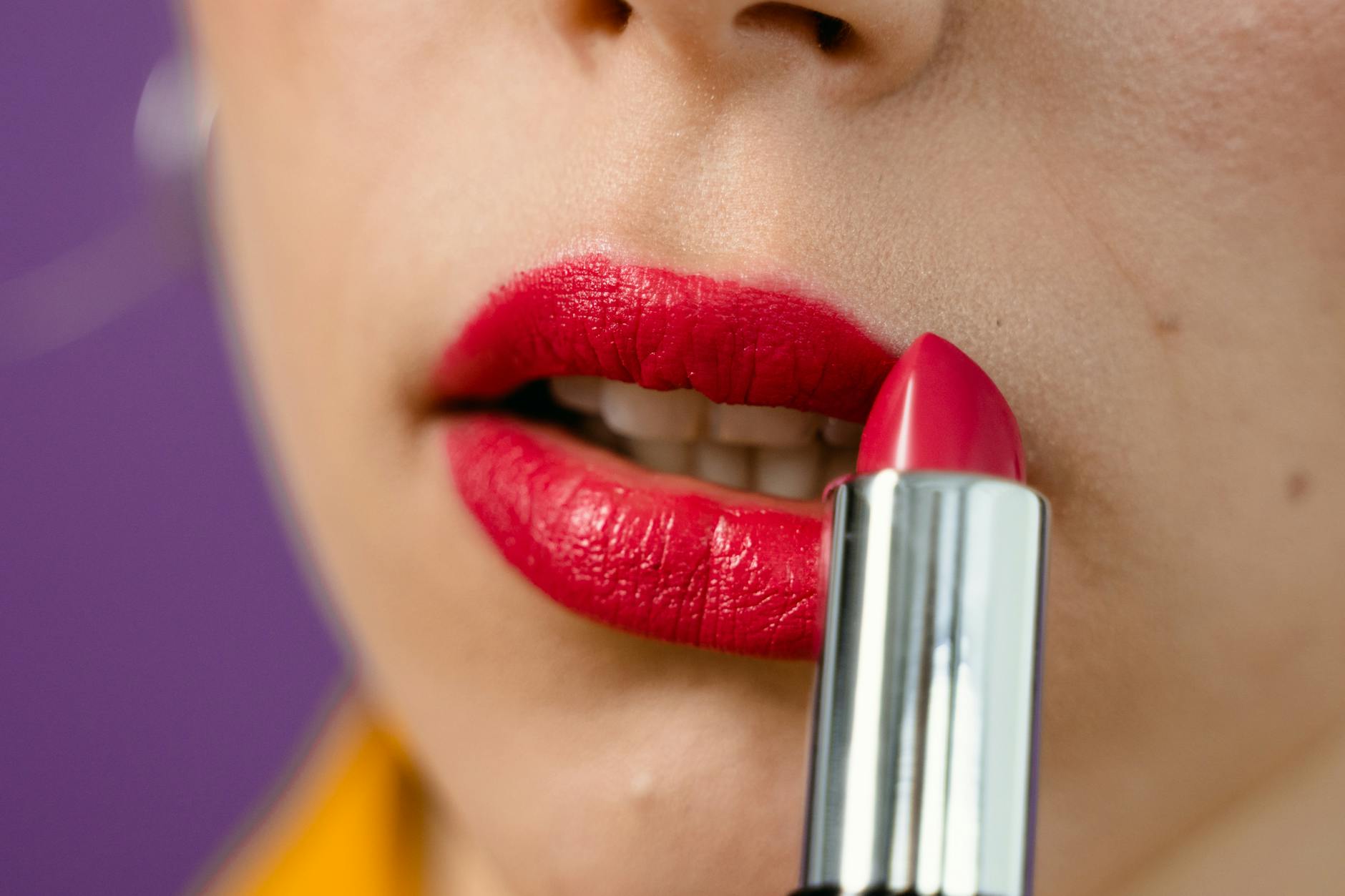
Several established companies maintain active recruitment pipelines for cosmetics testers. ThePinkPanel is a US-based women’s beauty product testing panel where members test cosmetics, skincare, and haircare products from home and receive compensation for accurate usage and feedback. It is free to join and focuses exclusively on beauty products, which means members tend to receive relevant opportunities more frequently than on general-purpose research platforms. The L’Oréal VIP Testing Community, managed through Curion Insights, recruits participants across all skin tones, hair types, and genders to test L’Oréal’s portfolio of skincare, makeup, and haircare products for pay. CPT Labs operates globally and actively recruits panelists for cosmetic, pharmaceutical, and personal care product testing with compensation. The Benchmarking Company runs in-home beauty product testing and consumer research studies specifically for beauty brands, and Nelson Recruiting places participants in paid focus groups nationwide, including beauty and cosmetics categories.
FocusGroups.org maintains active listings for makeup brand focus groups at varying pay rates. However, not every panel delivers consistent work. If you sign up for only one or two panels, you may wait weeks between qualifying studies. Your age, skin type, ethnicity, geographic location, and product usage habits all determine which studies you are eligible for. Someone who matches a narrow demographic — say, a woman aged 35 to 44 with sensitive combination skin who uses premium anti-aging products — will qualify for more niche studies that tend to pay at the higher end of the range. Signing up for multiple panels simultaneously is the most reliable way to maintain a steady flow of opportunities.
What Happens During a Cosmetics Focus Group Session?
A typical in-person cosmetics focus group starts with check-in and a brief consent process. You will sign a non-disclosure agreement, since brands do not want details about unreleased products leaking before launch. A moderator leads a group of six to ten participants through a structured discussion. You might swatch lipstick shades on your hand, apply a foundation sample to half your face, or smell several fragrance options and rank them. The moderator asks open-ended questions about your impressions, preferences, and purchasing habits. Princeton Consumer Research runs this type of session at their testing facilities, where participants apply products under controlled conditions.
Instruments may measure skin hydration, texture, or color accuracy before and after application. The session wraps up, you receive your payment, and you keep whatever products were part of the test. The entire experience usually runs 60 to 120 minutes, and most participants describe it as straightforward and even enjoyable — especially if you already have opinions about skincare and makeup. Online cosmetics focus groups follow a similar structure but through video conferencing platforms. You might receive products by mail a few days before the session, test them at home according to specific instructions, and then join a video call to discuss your experience with a moderator and other participants. Remote sessions have expanded access significantly, since you no longer need to live near a major metro area with testing facilities. Recruit and Field, which has built a participant database of over 300,000 consumers since 1977, places participants in both in-person and remote beauty research studies across the country.

How to Qualify for Higher-Paying Skincare and Makeup Studies
The highest-paying cosmetics studies target specific demographics, and understanding this dynamic helps you position yourself for better opportunities. Studies that need participants of a particular ethnicity, age bracket, skin condition, or income level compensate at higher rates because the recruiting pool is smaller. A focus group seeking women over 50 with rosacea who use drugstore skincare will pay more than a general study open to anyone who washes their face. When filling out screening surveys, accuracy matters more than strategy. Panels track your responses over time, and inconsistencies — listing your age as 32 on one survey and 38 on another — will get you flagged and potentially removed. Be thorough and honest in your profile.
List every skincare and makeup product you use, note any skin conditions or sensitivities, and update your profile when your routine changes. The more detailed your profile, the better the matching algorithms work in your favor. The tradeoff between general platforms and specialized panels is worth considering. Respondent.io offers an average pay of $100 per hour across all study types and lists beauty studies occasionally, but competition for spots is fierce because the platform covers every industry. Dedicated beauty panels like thePinkPanel or the L’Oréal VIP Testing Community offer lower per-session rates but higher acceptance rates for cosmetics-specific work. The practical move is to maintain profiles on both types — cast a wide net on general platforms for the occasional high-paying hit, and stay active on beauty-specific panels for consistent volume.
Payment Methods and Common Issues With Cosmetics Testing Compensation
Payment methods across the cosmetics testing industry include PayPal, Amazon gift cards, prepaid Visa or debit cards, cash, and direct deposit. Most companies process payments within 7 to 10 business days of study completion, though some in-person facilities pay on the spot. Validated Claim Support uses a reloadable debit card system, which is convenient for repeat participants but less ideal if you prefer direct deposit to your bank account. Before committing to a panel, check which payment methods they offer and whether there are minimum payout thresholds. A common frustration is qualifying for a study, completing the screener, and then being told you do not fit the current demographic requirements. This is normal and not a sign of a scam, but it can feel like wasted time. Some screener surveys take 15 to 20 minutes, and there is no compensation for completing them if you are not selected.
The higher-paying the study, the more selective the screening process tends to be. Another issue to watch for is studies that require a significant time commitment — like multi-week clinical trials — but bury the total number of required visits in the fine print. A study advertising $300 sounds generous until you realize it requires six lab visits over eight weeks, each lasting an hour plus commute time. Legitimate cosmetics testing companies never charge participants to join. If a panel asks for an application fee, membership dues, or requires you to purchase products upfront, walk away. Reputable operations like CPT Labs, thePinkPanel, and Princeton Consumer Research are all free to join. The brands are paying for your opinions, not the other way around.
Why Brands Spend So Much on Cosmetics Consumer Testing
The reason pay rates for cosmetics focus groups remain strong is tied directly to how much brands invest in consumer research. Cosmetic clinical trials in the United States typically cost brands $20,000 to $50,000 per test when conducted at labs like Nelson Lab, Essex Testing Clinic, and Intertek. Clinical trials cost roughly five times more than consumer perception tests, which means even the “cheaper” option of running a focus group represents a meaningful line item in a product development budget. Brands need this data for regulatory claims, marketing copy, and product reformulation decisions.
When a moisturizer label says “93% of women reported smoother skin after two weeks,” that statistic came from a paid consumer study. The participants who generated that data point were compensated for their time. As the clean beauty movement and regulatory scrutiny around cosmetics claims continue to intensify, demand for consumer testing is growing rather than shrinking. That is good news for anyone looking to earn consistent income from cosmetics focus groups and product testing panels.
The Future of Paid Cosmetics Research and What to Expect
Remote testing has permanently changed the cosmetics research landscape. The shift toward at-home product evaluation and virtual focus groups means geographic barriers have largely disappeared. Someone in rural Kansas can now participate in the same L’Oréal testing program as someone in Manhattan, provided they match the demographic criteria. This expansion of the participant pool has made opportunities more accessible, though it has also increased competition for any given study.
The growth of personalized skincare — products tailored to individual skin microbiomes, genetic profiles, and environmental exposures — is creating new categories of paid research. Brands developing these products need detailed, longitudinal consumer data, which means longer studies with higher total compensation. If you are willing to commit to multi-week or multi-month testing protocols, the pay rates climb well above the standard focus group range. Keeping profiles updated across multiple panels and responding quickly to study invitations remain the most reliable ways to stay at the front of the line.
Conclusion
Cosmetics testing focus groups paying $75 to $300 per session represent a legitimate and accessible way to earn extra income while trying new skincare and makeup products. The key variables that determine your pay are session length, demographic specificity, and whether the study involves clinical testing or consumer perception work. Signing up with multiple panels — including dedicated beauty platforms like thePinkPanel and the L’Oréal VIP Testing Community alongside general research platforms like Respondent.io — gives you the best chance at maintaining a steady flow of paid opportunities.
Start by creating profiles on three to five panels, being thorough and honest in your demographic information and product usage habits. Respond to study invitations quickly, since spots fill fast, especially for higher-paying sessions. Keep your profiles current as your skincare routine and product preferences change. And remember that the companies paying $75 to $300 for your opinions are ultimately saving brands tens of thousands of dollars in research costs — your feedback has real value in this industry, and the compensation reflects that.
Frequently Asked Questions
How much do cosmetics focus groups typically pay per session?
Standard 60-minute sessions pay $75 to $150, 90-minute sessions pay $100 to $200, and extended two-hour sessions can pay $200 to $400 or more. Respondent.io reports an average of $100 per hour across studies on their platform.
Do I get to keep the products I test in cosmetics studies?
In many cases, yes. Princeton Consumer Research, for example, lets participants keep the free products in addition to the approximately $25 per hour cash compensation. However, some clinical studies require you to return products after the testing period ends.
How long does it take to get paid after completing a cosmetics focus group?
Most companies process payments within 7 to 10 business days of study completion. Payment methods include PayPal, Amazon gift cards, prepaid Visa or debit cards, cash, and direct deposit. Some in-person facilities pay immediately after the session.
Are cosmetics testing panels free to join?
Yes. Legitimate panels like thePinkPanel, CPT Labs, and the L’Oréal VIP Testing Community are all free to join. Any panel that charges an application fee or membership dues is not legitimate.
How do I qualify for higher-paying cosmetics studies?
Studies targeting specific demographics — particular age groups, ethnicities, skin types, or income levels — tend to pay more because the eligible participant pool is smaller. Keeping a detailed and accurate profile across multiple panels increases your chances of matching with these niche studies.
Can I participate in cosmetics focus groups remotely?
Yes. Many companies now offer remote product testing where samples are mailed to your home and feedback is collected via video calls or online surveys. This has significantly expanded access beyond major metro areas with physical testing facilities.



