
Yes, pet food companies will pay you between $50 and $150 for letting your dog taste-test their products — but these are not permanent, always-open programs you can sign up for on a Tuesday afternoon. They are ad hoc market research studies recruited through firms like Drive Research and platforms like Tasteocracy, and they fill up based on location, demographics, and whether your pet fits the study’s profile. Drive Research, for example, has paid dog owners $150 gift cards for 60-minute interviews about pet food, while Tasteocracy compensates participants at roughly $40 per hour for product tests that include pet food trials. The important clarification upfront: your dog does the eating, not you.
The vast majority of consumer-facing pet food taste test panels involve sending food home to pet owners, who then observe and report on their dog’s reaction. Human pet food tasters do exist as a real profession — earning anywhere from $34,000 to $100,000 a year full-time — but that is a different career path entirely. What we are talking about here is getting paid to watch your dog eat and fill out a questionnaire about it. This article covers how palatability testing actually works in the industry, which specific programs and platforms recruit pet owners, what realistic compensation looks like, how to qualify for these studies, and what to watch out for when searching for legitimate opportunities.
Table of Contents
- How Do Pet Food Taste Test Panels Work and What Do They Actually Pay?
- Where to Find Legitimate Pet Food Testing Opportunities
- The Booming Market Behind Pet Food Testing
- How to Qualify and Maximize Your Chances of Getting Selected
- Red Flags and Common Pitfalls in Pet Food Testing Recruitment
- Professional Pet Food Tasting as a Career
- Where Pet Food Consumer Testing Is Headed
- Conclusion
- Frequently Asked Questions
How Do Pet Food Taste Test Panels Work and What Do They Actually Pay?
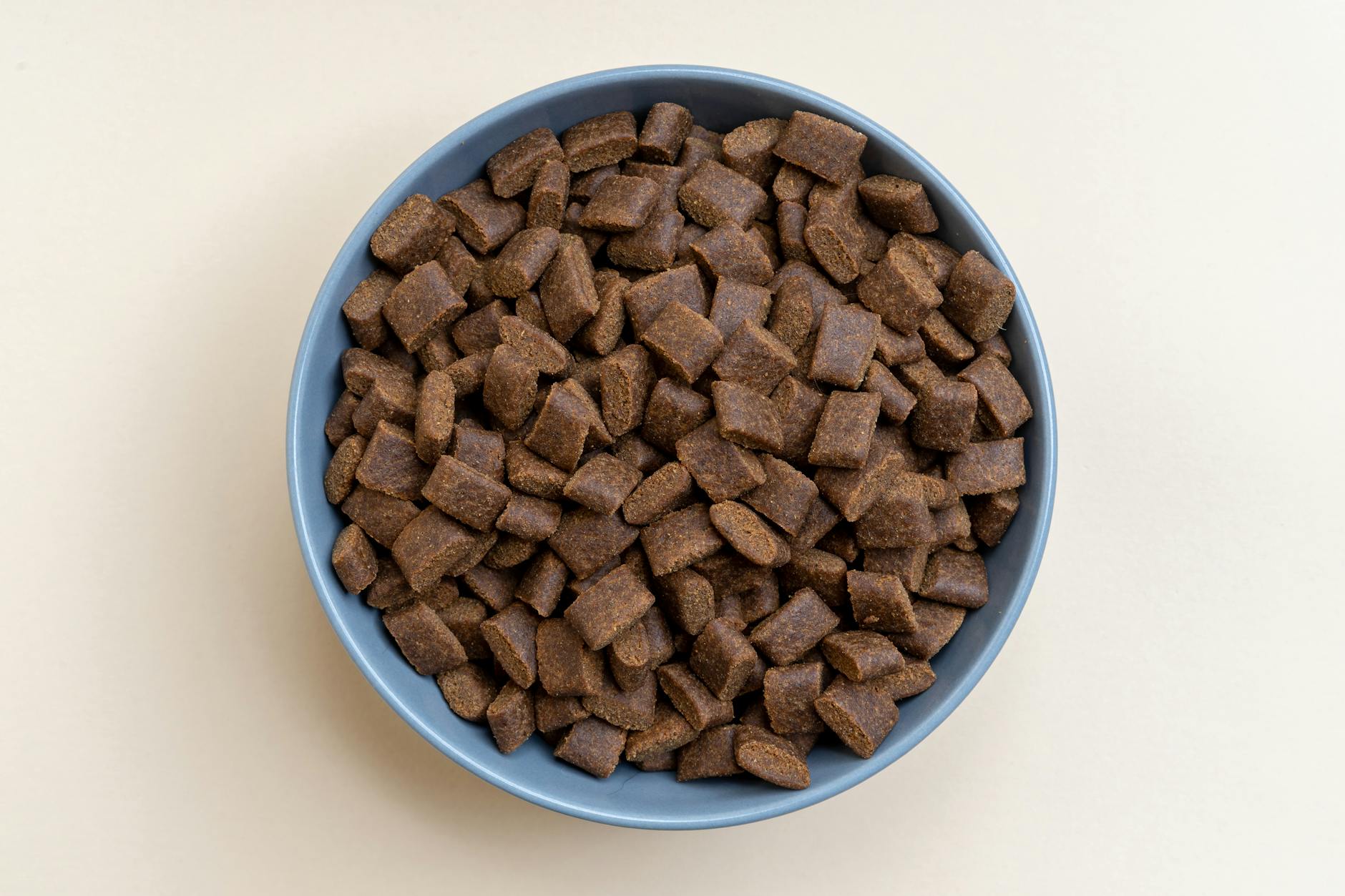
The pet food industry relies on a surprisingly standardized method called the two-bowl test. A panel of dogs is presented with two bowls of slightly different food formulations, and researchers record which bowl the dog goes to first and how much of each is consumed. According to a review published in PMC/NIH, this is the industry standard for palatability measurement. In controlled kennel settings, companies test with panels of 20 to 30 dogs. But when they want real-world data from household pets eating in normal home environments, they run in-home use tests — known as IHUTs — that typically involve around 100 participating pet owners, according to research published in the Journal of Sensory Studies. Compensation varies depending on the format. Quick product tests through platforms like Tasteocracy pay approximately $40 per hour.
More involved studies that include sit-down interviews with a market research firm like Drive Research have paid $150 gift cards for a single 60-minute session. Some programs, like the “Citizen Scientist” palatability trials run through companies like Symrise’s Panelis platform, compensate participants with free pet food and access to study results rather than cash. So the $50 to $150 range in the title is realistic for paid market research studies, but it is not a universal rate — and plenty of opportunities pay in product rather than money. The distinction matters. A study that ships you two bags of kibble and asks you to fill out a daily questionnaire for two weeks might pay $75 or nothing beyond the free food. A focused interview where a researcher asks you detailed questions about your purchasing habits and your dog’s eating behavior for an hour might pay $150. Know which type you are signing up for before you commit your time.
Where to Find Legitimate Pet Food Testing Opportunities
The most reliable path to paid pet food studies runs through established market research platforms and recruitment firms, not through random social media ads promising easy money. Tasteocracy is a consumer testing platform that regularly recruits for food and beverage studies, including pet food trials, paying around $40 per hour. Respondent.io and similar research marketplaces also list pet industry studies periodically. Drive Research actively recruits pet owners for paid interviews and focus groups — their published case studies confirm $150 gift card compensation for pet food research participants. On the brand side, Lucy Pet Products runs a program called “Lucy’s Taste Test Panel Pals,” where pet owners sign up to provide feedback on premium dog and cat food formulas directly to the company’s product development team.
The compensation details for Lucy’s program are not publicly listed, which is worth noting — not every brand panel pays cash. Some offer product samples, store credit, or early access to new formulas instead of direct payment. However, if you live in a rural area or outside major metro regions, your options shrink considerably. Market research firms concentrate recruitment in population centers where they can hit demographic quotas efficiently. Studies typically target primary or shared decision-makers who have purchased pet food or treats in the past three months, and they often need specific demographic mixes — say, a certain ratio of Millennial to Gen Z participants. If you do not fit the screener criteria, you will not qualify regardless of how willing your dog is to eat on camera.
The Booming Market Behind Pet Food Testing
The reason these paid opportunities exist at all comes down to money — a staggering amount of it. The global pet food market was valued at $128.94 billion in 2025 and is projected to hit $134.46 billion in 2026, growing at a compound annual rate of 5.05 percent, according to Fortune Business Insights. When companies are competing for slices of a $130 billion market, spending $150 per interview on consumer research is a rounding error in the product development budget. The pet food testing market specifically — which includes palatability testing, nutritional analysis, and packaging evaluation — is expected to reach $10.89 billion by 2028, growing at 7.4 percent annually according to The Business Research Company.
That growth rate outpaces the pet food market itself, which tells you that companies are investing more heavily in testing and research as competition intensifies. Premium, grain-free, raw, and breed-specific formulations all need palatability data before they hit shelves, and that data comes from real dogs in real homes. For participants, this market growth is good news. More products in development means more studies recruiting pet owners. The shift toward IHUTs over controlled kennel testing also works in your favor — companies increasingly want data from pets eating in normal household conditions, which means more opportunities for regular dog owners rather than just professional testing facilities.
How to Qualify and Maximize Your Chances of Getting Selected
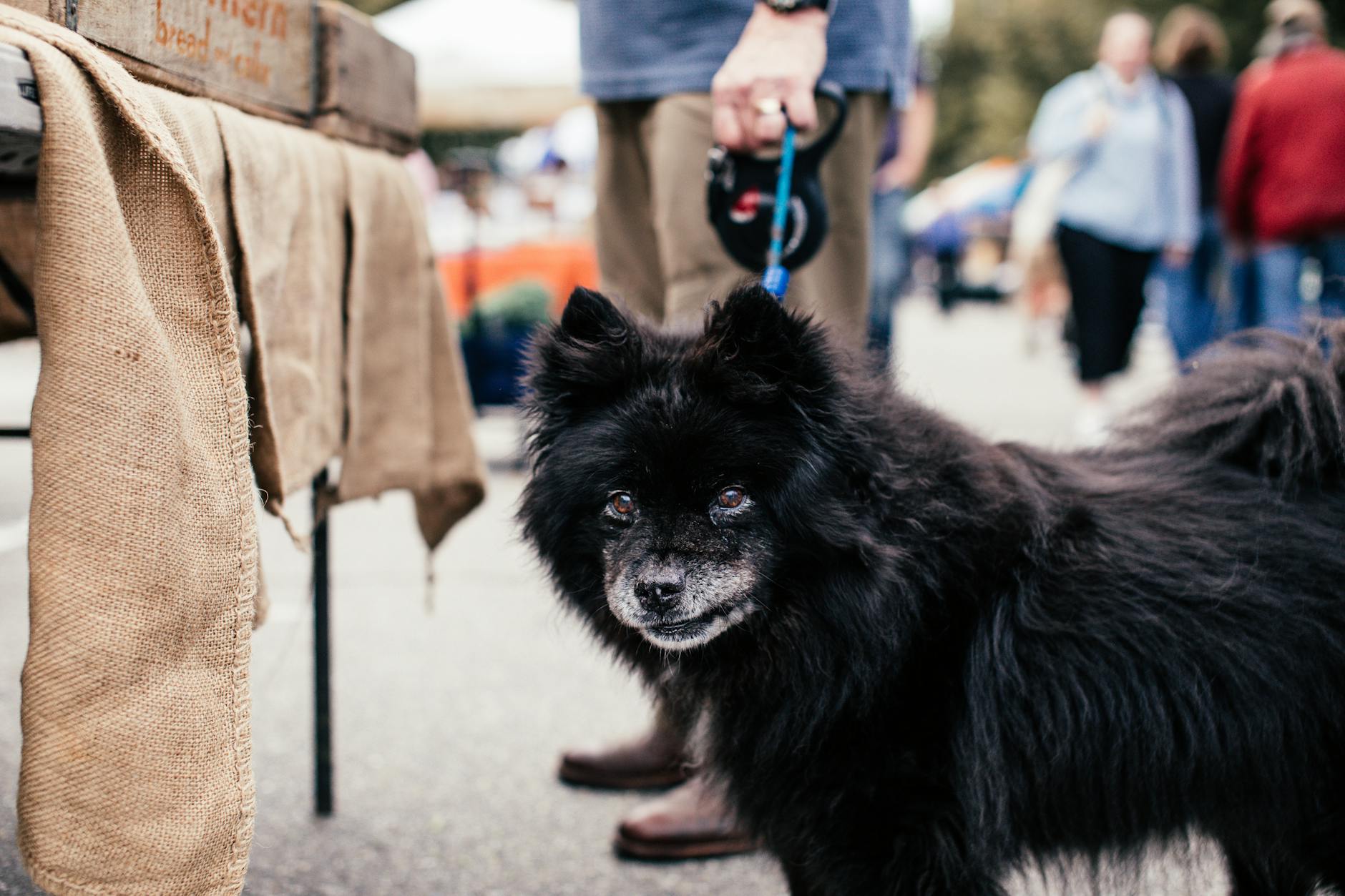
Getting into a pet food taste test panel is less about your enthusiasm and more about whether you match the study’s screening criteria. Most studies require that you are the primary or shared decision-maker for pet food purchases in your household. They want someone who actually picks the brand off the shelf or clicks “buy” online, not someone whose spouse handles all the pet shopping. Beyond that, recruiters typically ask about your dog’s breed, age, size, health conditions, current diet, and any food allergies or sensitivities. The tradeoff between platforms is worth understanding. Signing up with a broad market research platform like Respondent or Tasteocracy gives you access to many types of studies but means you are competing with a large pool of registered participants.
Signing up directly with a pet food brand like Lucy Pet Products narrows your opportunities to that one company’s studies but may give you a better shot at selection since the applicant pool is smaller and more targeted. The best approach is to register with multiple platforms and brand programs simultaneously — casting a wider net is the only reliable strategy since no single source generates consistent, recurring study invitations. Keep your profile information current and detailed. If you have multiple dogs of different breeds, sizes, or ages, mention all of them. A household with a senior Labrador and a young Chihuahua is more versatile for researchers than a household with one medium-sized mixed breed. Some studies specifically need large breeds, others need puppies, others need dogs with sensitive stomachs. The more data points you offer, the more screeners you will pass.
Red Flags and Common Pitfalls in Pet Food Testing Recruitment
The biggest warning about pet food taste test panels is that the search term itself attracts scams. Any listing that asks you to pay an upfront fee to “join” a pet food testing panel is fraudulent — legitimate market research firms pay you, never the reverse. Similarly, be skeptical of opportunities that promise guaranteed ongoing income. These studies are sporadic and project-based. No one is making a steady $600 a month watching their dog eat kibble. Another limitation worth stating plainly: no specific organized program called “Pet Food Taste Test Panels” that pays exactly $50 to $150 per session was found as a widely available, named opportunity during research for this article.
The compensation range is realistic based on what market research firms and testing platforms actually pay, but these are individual studies that come and go — not a standing program with a website and a sign-up button. Anyone marketing it as a permanent, easy-money opportunity is overpromising. The legitimate version involves registering with multiple research platforms, waiting for a study that matches your profile, completing a screener, getting selected, following the study protocol carefully, and then receiving compensation after the study closes. Watch out for studies with vague protocols, too. A legitimate IHUT will give you specific instructions — which bowl to present first, how long to observe, what behaviors to record, when to fill out the questionnaire. If a supposed study just says “feed this to your dog and tell us what you think” with no structure, it may be a poorly run operation that will not follow through on payment.

Professional Pet Food Tasting as a Career
For those curious about the human side of pet food tasting, it is a real job with real salaries. Professional pet food tasters evaluate the smell, texture, appearance, and sometimes taste of pet food products as part of quality control and product development teams. According to Fox Business, full-time pet food tasters earn between $34,000 and $100,000 per year, while part-time and hourly tasters average around $24 per hour nationally, as reported by MoneyPantry.
This is a fundamentally different path than consumer taste test panels. Professional tasters typically have backgrounds in food science, sensory evaluation, or animal nutrition. They work for pet food manufacturers or specialized testing laboratories, not from their couches. If the consumer panel side interests you as a casual way to earn extra money with your dog, great — but do not confuse it with a career track that requires education and industry experience.
Where Pet Food Consumer Testing Is Headed
The trajectory is clear: more money flowing into pet food means more testing, and more testing means more opportunities for pet owners. The shift from kennel-based panels to in-home use tests reflects a broader industry recognition that controlled lab conditions do not perfectly replicate how a dog eats at home with distractions, other pets, varying meal times, and an owner’s feeding habits influencing behavior.
Companies want ecological validity, and the only way to get it is to recruit real households. Expect to see more technology-integrated studies in the coming years — apps that track feeding times and amounts, video submissions of your dog eating, and wearable devices that monitor activity levels before and after diet changes. As the pet food testing market pushes toward its projected $10.89 billion valuation by 2028, the sophistication of consumer panels will increase, and compensation should remain competitive as companies fight for reliable, engaged participants.
Conclusion
Pet food taste test panels are a legitimate way to earn $50 to $150 per study, but they require realistic expectations. The opportunities come through market research firms like Drive Research, consumer testing platforms like Tasteocracy, and direct brand programs like Lucy Pet Products’ Taste Test Panel Pals. They are not a steady income stream — they are occasional, project-based studies that pay well for the time involved when you can get selected. Your dog does the eating, you do the observing and reporting, and the company gets the palatability data it needs to compete in a $130 billion global market.
The practical next step is to register with two or three market research platforms, sign up for any brand-specific panels you can find, keep your household and pet profile information detailed and current, and wait for study invitations that match your profile. Do not pay anyone for access to these opportunities. Do not expect weekly invitations. But when a study does come through and your dog qualifies, the compensation for your time is genuinely solid compared to most consumer research payouts.
Frequently Asked Questions
Does my dog actually eat the food, or do I taste it myself?
Your dog eats the food. Consumer-facing pet food taste test panels are about observing your pet’s reaction to different formulations — which bowl they prefer, how much they eat, and how enthusiastically they eat it. Human pet food tasters exist as a separate profession, typically working in food science or quality control roles.
How much do pet food taste test panels pay?
Compensation ranges from free product to $150 per study depending on the format. Drive Research has paid $150 gift cards for 60-minute interviews with pet owners. Tasteocracy pays approximately $40 per hour for product tests. Some programs like Symrise’s Citizen Scientist trials compensate with free pet food and study results rather than cash.
How do I sign up for pet food taste test panels?
Register with market research platforms like Tasteocracy or Respondent, check brand-specific programs like Lucy Pet Products’ Taste Test Panel Pals, and sign up with market research recruitment firms like Drive Research. There is no single centralized sign-up — you need to cast a wide net across multiple sources.
How often can I participate in pet food studies?
These are ad hoc, project-based studies — not recurring gigs. You might get invited to one study every few months if you match the screening criteria, or you might go long stretches without qualifying for anything. Frequency depends on your location, your pet’s profile, and what studies are actively recruiting.
Will the test food be safe for my dog?
Legitimate pet food studies use commercially viable formulations that have passed safety and nutritional standards. Reputable companies and research firms are not going to risk liability by feeding your dog something harmful. That said, always review the study details for ingredient lists if your dog has known allergies or sensitivities, and consult your veterinarian if you have concerns.
Do I need a specific breed or type of dog to qualify?
It depends entirely on the study. Some studies want a broad mix of breeds and sizes, while others target specific categories — large breeds, puppies, senior dogs, or dogs with sensitive stomachs. Having multiple dogs or a less common breed can sometimes increase your chances of matching a study’s requirements.



