Diabetes clinical trials are currently paying participants anywhere from $200 to $5,000 or more, depending on the study phase, duration, and what’s required of you. Some trials pay per visit — around $125 per appointment in New York-based studies, for example — while longer Phase II trials can pay $300 to $3,000 over the course of the study. At the high end, Altasciences LA is recruiting Type 2 diabetes participants right now with compensation up to $10,000. These aren’t theoretical numbers. Real studies are enrolling real people in 2026, and both Type 1 and Type 2 diabetes trials need participants badly.
The demand is straightforward: 40.1 million Americans have diabetes, with 1.5 million new diagnoses each year, and pharmaceutical companies are racing to bring next-generation treatments to market. That includes once-weekly insulins, oral GLP-1 medications, and cell therapies that could fundamentally change how diabetes is managed. Every one of those drugs needs human trial participants before it reaches a pharmacy shelf. For people already living with diabetes, these trials offer early access to experimental treatments, free medical monitoring, and meaningful compensation for their time. This article breaks down exactly how compensation works across different trial phases, which major Type 1 and Type 2 studies are actively recruiting in 2026, what participation actually looks like day to day, and where to find legitimate paid studies near you.
Table of Contents
- How Much Do Diabetes Clinical Trials Actually Pay Type 1 and Type 2 Participants?
- What Type 1 Diabetes Trials Are Recruiting Right Now
- Major Type 2 Diabetes Drug Trials and What They’re Testing in 2026
- What to Expect When You Participate in a Diabetes Clinical Trial
- Eligibility Requirements and Why You Might Not Qualify
- The Scale of the Problem Driving Trial Demand
- Where Diabetes Treatment Trials Are Headed
- Conclusion
- Frequently Asked Questions
How Much Do Diabetes Clinical Trials Actually Pay Type 1 and Type 2 Participants?
Compensation varies enormously, and the biggest factor is the trial phase. Phase I trials, which test safety in small groups, typically pay around $10 to $20 per hour of participation. Phase II trials, which evaluate effectiveness in larger groups, tend to pay between $300 and $3,000 depending on the study’s duration and how many visits are required. Phase III trials, the large-scale studies that precede FDA approval, often compensate somewhere in between — you’re committing to a longer study, but the per-visit demands may be lighter than Phase I. Beyond flat compensation, the FDA allows sponsors to reimburse travel expenses separately, including airfare, parking, and lodging. This matters if you’re traveling to a research center that isn’t local.
Compensation generally falls into four categories: reimbursement for expenses, compensation for time and inconvenience, bonuses for completing milestones, and incentives for referrals or enrollment. The UVA Center for Diabetes Technology, for instance, offers $500 for completing certain studies plus separate reimbursement for clinic visits — so your actual total could be meaningfully higher than the headline number. Online participation options are expanding the range as well. Thrivable pays up to $75 per hour for online surveys, virtual focus groups, and interviews specifically for diabetes participants, and they’re registering people now for in-person summer 2026 studies. That hourly rate beats most Phase I trials without requiring you to set foot in a clinic. The tradeoff is that these tend to be shorter engagements — a few hours of market research rather than months of drug testing — so the total payout is lower even though the rate is higher.

What Type 1 Diabetes Trials Are Recruiting Right Now
Several landmark Type 1 diabetes trials are actively seeking participants in 2026, and they represent some of the most promising treatment approaches in years. Eli Lilly’s BARICADE trials — BARICADE-DELAY and BARICADE-PRESERVE — are testing baricitinib, a JAK inhibitor, with two goals: delaying progression from Stage 2 to Stage 3 Type 1 diabetes, and preserving beta cell function in people newly diagnosed with Stage 3. These are significant because if baricitinib works, it could buy years of additional insulin production for people in the early stages of the disease. The PETITE-T1D trial is testing Tzield (teplizumab) in children under 8 with Stage 2 Type 1 diabetes. Tzield is already FDA-approved for delaying Stage 3 onset in older patients, and interim results in this younger population show it’s safe and well-tolerated, with final results expected in 2026.
For parents of young children recently identified with autoantibodies, this trial represents access to the only drug currently proven to delay clinical Type 1 diabetes. Two additional studies worth noting: the SAB 142 phase 2b study evaluating a treatment for new-onset Stage 3 Type 1 diabetes, and the GNTI-122 Phase 1 study, a 78-week investigational cell therapy trial with three dosing cohorts — one of the emerging approaches that could eventually move beyond managing diabetes to actually reversing it. However, eligibility for Type 1 trials tends to be more restrictive than Type 2 studies. Many trials specifically need participants at a certain disease stage — Stage 2 versus Stage 3 — or within a narrow window after diagnosis. If you’ve had Type 1 for 10 years, a trial designed for newly diagnosed patients won’t accept you, regardless of how willing you are. The 2.1 million Americans with diagnosed Type 1 diabetes, including 314,000 children and adolescents under 20, represent the broader pool, but each individual trial is looking for a specific slice.
Major Type 2 Diabetes Drug Trials and What They’re Testing in 2026
The Type 2 diabetes trial landscape in 2026 is dominated by a new wave of medications that could make current treatments look outdated. The biggest development is the arrival of once-weekly insulin. Both Lilly’s efsitora alpha and Novo Nordisk’s insulin icodec are expected to receive FDA approval this year, and in trials they’ve performed as well as daily basal insulins without increasing hypoglycemia risk. If you’re currently injecting insulin every day, a trial testing weekly administration could be worth your time on both a practical and financial level. Orforglipron, Eli Lilly’s once-daily oral GLP-1 pill, could receive FDA approval as early as Q2 2026 and has shown strong results in both glucose control and weight management.
This is notable because current GLP-1 medications like semaglutide are injections — an oral version eliminates the needle entirely. Novo Nordisk already launched an oral Wegovy pill in January 2026, and Lilly’s retatrutide, a triple-agonist, has shown weight loss of up to 28.7% at 68 weeks in trials and is being studied for Type 2 diabetes, obesity, knee osteoarthritis, and sleep apnea simultaneously. CagriSema, which combines cagrilintide and semaglutide, has an FDA response expected in 2026 as well. One development that blurs the line between Type 1 and Type 2 trials: Lilly is trialing Mounjaro in Type 1 diabetes, and Genentech is studying CT-868, a dual GLP-1/GIP agonist, in the same population. GLP-1 medications were developed for Type 2, but researchers are now exploring whether they can help Type 1 patients reduce their insulin doses and improve glucose stability. If you have Type 1 and are interested in these newer drug classes, it’s worth checking whether you qualify.
What to Expect When You Participate in a Diabetes Clinical Trial
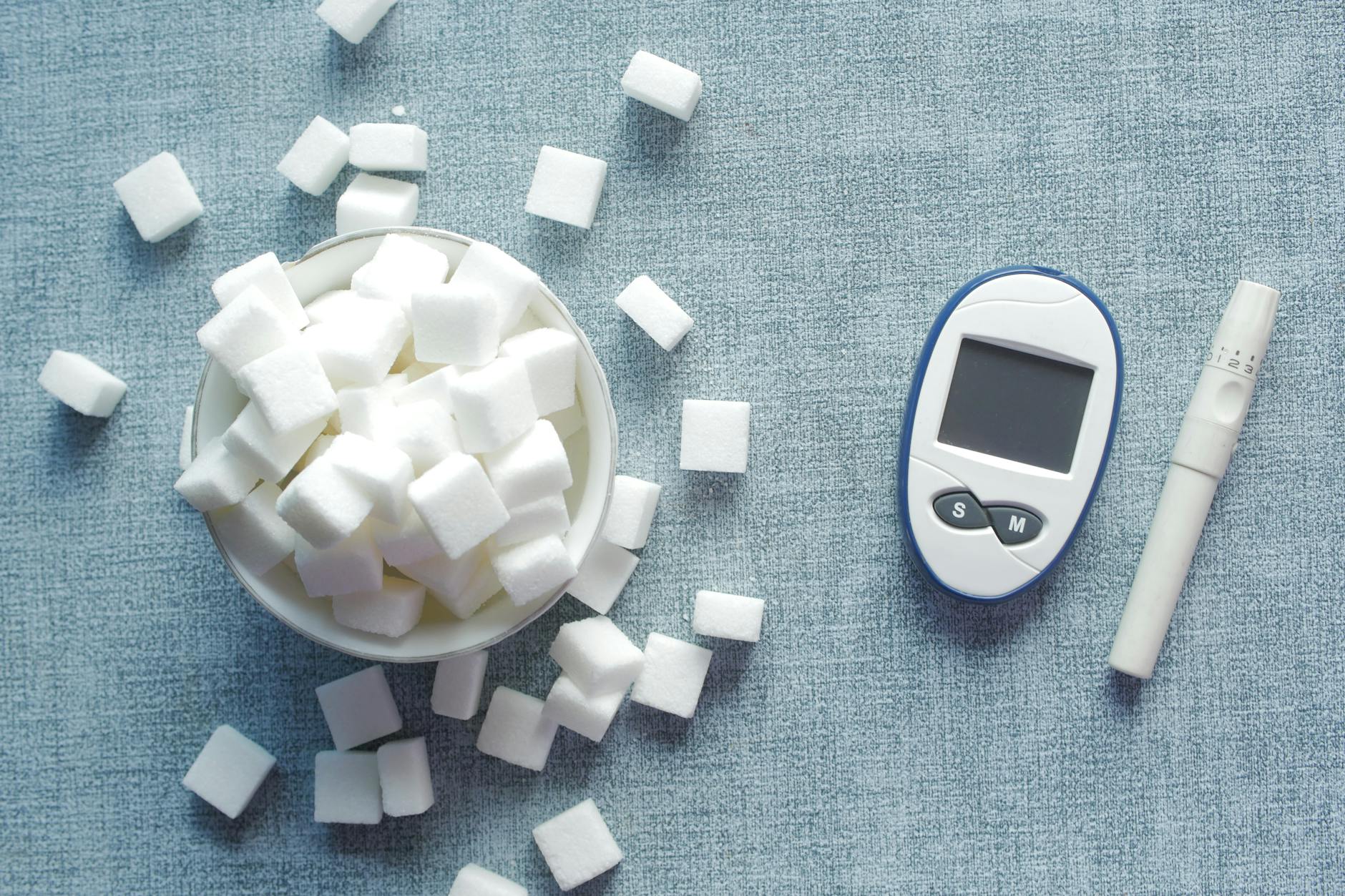
The day-to-day reality of trial participation is less dramatic than most people imagine. Most visits last one to two hours with a Clinical Research Coordinator. You’ll typically have blood and urine samples drawn, complete questionnaires about your symptoms and daily management, and possibly undergo an ECG or meet with a dietician. All study-related medical exams, treatments, and medications are provided at no cost to you — this includes the experimental drug itself, any monitoring devices, and lab work. The time commitment varies wildly. Some trials involve a single visit. Others run for five years.
A Phase I safety trial might require you to spend a weekend at a research facility, while a Phase III effectiveness trial might ask you to come in every four to six weeks for two years. The compensation should reflect this, but not always proportionally. A short, intensive inpatient study might pay more per day than a long outpatient study pays per month, because the sponsor needs to compensate you for the disruption of staying overnight at a facility versus a brief clinic appointment. The tradeoff to weigh honestly is control versus compensation. In a placebo-controlled trial, you might receive the actual drug or you might receive a placebo — and you won’t know which. If you’re hoping for early access to a promising treatment, there’s a chance you’ll spend months in a trial receiving a sugar pill while continuing your existing treatment. Some trials are open-label, meaning everyone gets the active drug, but many are not. Read the informed consent document carefully before enrolling, and ask the research coordinator directly about the study design.
Eligibility Requirements and Why You Might Not Qualify
The most common frustration people encounter with clinical trials is screening out. Every trial has specific eligibility criteria based on your diagnosis type, disease stage or severity, treatment history, age, and sometimes factors like BMI or A1C levels. A trial testing a new insulin formulation might need people with A1C above 8% who haven’t responded well to current medications. If your diabetes is well-controlled, you’re actually less likely to qualify for many intervention trials — which feels counterintuitive when you’re looking for compensation. Age restrictions can be particularly limiting. The PETITE-T1D trial specifically targets children under 8, which excludes most of the Type 1 population.
Conversely, many Phase I trials exclude anyone under 18 and adults over 65 due to safety monitoring concerns. If you’re a 45-year-old with well-managed Type 2 diabetes, there are plenty of options. If you’re 70 with Type 1 and multiple complications, the pool narrows significantly. Another practical limitation: location. University research centers at UCSF, UCLA, UCSD, UVA, UMass, and Columbia all have active diabetes trial programs, but if you don’t live near a major research hub, your options may be limited to virtual studies or surveys rather than drug trials. While travel reimbursement helps, committing to monthly visits three hours from your home for two years is a real burden that compensation may not fully offset. Be realistic about what your schedule and geography can support before you enroll.

The Scale of the Problem Driving Trial Demand
The reason so many diabetes trials are recruiting simultaneously comes down to numbers. Over 115 million American adults have prediabetes, which means the potential patient population for diabetes drugs is staggeringly large. The 40.1 million Americans currently living with diabetes — 29.1 million diagnosed and an estimated 11 million who don’t know they have it — represent an enormous and growing market for pharmaceutical companies.
With 1.5 million new diagnoses every year, companies are under pressure to develop better treatments faster, and they cannot do that without human trial participants. This demand works in your favor as a potential participant. When multiple companies are competing to bring similar drugs to market — as is happening right now with oral GLP-1 medications and once-weekly insulins — they need to recruit participants quickly, which can push compensation higher. If you have a common profile that many trials are looking for, you may be able to choose between studies based on which one pays better, is more convenient, or tests a treatment you’re genuinely curious about.
Where Diabetes Treatment Trials Are Headed
The most exciting research direction in 2026 isn’t just better drugs — it’s fundamentally different approaches to the disease. Cell therapies like the one being tested in the GNTI-122 trial could eventually replace damaged beta cells rather than just managing the insulin deficit they cause. JAK inhibitors like baricitinib are attempting to intervene in the autoimmune process that destroys beta cells in the first place.
And triple-agonist drugs like retatrutide are addressing diabetes, obesity, and their complications simultaneously rather than treating each condition separately. For trial participants, this means the studies available over the next few years will include some genuinely groundbreaking treatments alongside incremental improvements to existing drug classes. The compensation will continue to reflect the burden on participants — longer, more complex studies will pay more — but the non-financial value of accessing a treatment years before it reaches the general public is real. The pipeline is packed, the recruiting need is urgent, and for people living with either Type 1 or Type 2 diabetes, 2026 is one of the best years in recent memory to explore trial participation.
Conclusion
Diabetes clinical trials in 2026 are paying participants real money — from $125 per visit for straightforward outpatient studies to $5,000 or more for intensive multi-phase trials. The compensation reflects the time and inconvenience involved, not the risk, and all study-related medical care comes at no cost. With once-weekly insulins, oral GLP-1 drugs, cell therapies, and immune-modulating treatments all in active trials, both Type 1 and Type 2 participants have more options than at any point in the past decade.
Start with ClinicalTrials.gov for the broadest search, then check disease-specific resources: the American Diabetes Association’s clinical trial finder for general diabetes studies, Breakthrough T1D (formerly JDRF) for Type 1-specific trials, and the NIDDK’s recruiting studies page. University research centers at major medical schools are also actively enrolling. Be prepared for a screening process, understand the study design before you consent, and factor in the full compensation picture including travel reimbursement, visit payments, and completion bonuses.
Frequently Asked Questions
Do I have to stop my current diabetes medications to participate in a clinical trial?
It depends on the study. Some trials test add-on therapies where you continue your current regimen. Others require a washout period where you stop certain medications before starting the experimental treatment. The informed consent document will specify this, and you should discuss it with both the research team and your personal endocrinologist before enrolling.
Can I participate in a diabetes clinical trial if I have other health conditions?
Many trials allow participants with common comorbidities, but each study sets its own exclusion criteria. Conditions like uncontrolled hypertension, kidney disease, or recent heart events may disqualify you from certain studies. The screening process will evaluate your full medical history — being upfront about all conditions saves everyone time.
How do I know if a clinical trial is legitimate and safe?
Legitimate trials are registered on ClinicalTrials.gov, have Institutional Review Board (IRB) approval, and provide a detailed informed consent form. Be wary of any trial that asks you to pay to participate, guarantees a specific medical outcome, or pressures you to enroll quickly. You can verify a trial’s registration number on the federal database before committing.
Will I definitely receive the experimental treatment, or could I get a placebo?
Many trials are randomized and placebo-controlled, meaning some participants receive the active drug and others receive a placebo. The ratio varies — some studies use a 2:1 split favoring the active treatment, others are 1:1. Open-label trials, where everyone receives the drug, do exist but are less common in later-phase studies. The study coordinator should tell you the randomization ratio before you consent.
Is compensation from clinical trials taxable income?
Generally, yes. Clinical trial compensation is considered taxable income by the IRS. If you receive more than $600 from a single sponsor in a calendar year, you should expect a 1099 form. Travel reimbursements for actual expenses may be treated differently, but the compensation portion is typically reportable. Consult a tax professional if you participate in multiple high-paying studies.