
Dermatology clinical trials for acne, eczema, and psoriasis routinely pay participants between $75 and $150 per visit, with total compensation ranging from a few hundred dollars to several thousand depending on the study length. Indiana Clinical Trials Center, for example, is currently recruiting for eczema studies paying at least $125 per visit across 12 visits, while Optima Research offers eczema participants up to $1,116 total across 11 visits over 32 weeks. These are real, currently enrolling studies — not vague promises buried in fine print. The compensation range is wide because dermatology trials vary enormously in what they ask of you.
A short acne study with four or five clinic visits over a few weeks might pay $100 to $500 total. A longer psoriasis trial requiring 20 visits over two years will pay significantly more — Cahaba Clinical Research in Birmingham, Alabama advertises dermatology study compensation up to $7,000 for their most intensive protocols. Beyond the cash, participants typically receive free study medication, lab work, and medical consultations for the duration of the trial. This article breaks down what specific research centers are paying right now, which skin conditions are most actively recruiting, how recent FDA drug approvals are fueling a new wave of trials, and exactly where to find legitimate studies near you. If you have a diagnosed skin condition and have been spending money on treatments that aren’t fully working, paid research studies offer a way to access cutting-edge therapies while getting compensated for your time.
Table of Contents
- How Much Do Dermatology Studies Actually Pay for Acne, Eczema, and Psoriasis?
- Which Skin Conditions Are Most Actively Recruiting Participants Right Now?
- New FDA-Approved Drugs That Are Driving Fresh Dermatology Trials in 2025-2026
- Where to Find Legitimate Paid Dermatology Studies Near You
- What to Watch Out For Before Enrolling in a Dermatology Trial
- How Decentralized Trials Are Changing the Dermatology Research Experience
- What the 2026 Dermatology Research Pipeline Means for Paid Study Opportunities
- Conclusion
How Much Do Dermatology Studies Actually Pay for Acne, Eczema, and Psoriasis?
Compensation varies by the phase of the trial, the number of visits required, and how invasive the procedures are. According to data from Cahaba clinical Research, dermatology clinical trial participants typically receive $300 to $3,000 or more depending on these factors. The per-visit model is the most common payment structure — Illinois Skin Center, which conducts acne, psoriasis, and atopic dermatitis trials, compensates up to $100 per clinic visit. Optima Research pays $150 per visit for time and travel on their eczema studies. These per-visit payments add up quickly across a multi-month protocol. The important distinction is between shorter and longer studies.
A study with 4 to 6 visits spread over a few weeks tends to fall in the $100 to $500 total range, which is what most people looking for a manageable time commitment should expect. Longer studies — 20 or more visits over one to two years — pay substantially more but demand a real commitment to showing up on schedule. Indiana Clinical Trials Center is enrolling for a psoriasis study requiring 20 visits over 2 years with compensation for time and transportation. That is a meaningful obligation, and participants who drop out early typically forfeit remaining payments. One thing worth noting: the advertised compensation covers your time and travel. The free medical care you receive on top of that — study medication, lab work, specialist consultations, health exams — has its own value that does not show up in the dollar figure. For someone paying out of pocket for dermatology appointments or expensive prescription creams, the indirect savings can rival the cash payment itself.
Which Skin Conditions Are Most Actively Recruiting Participants Right Now?
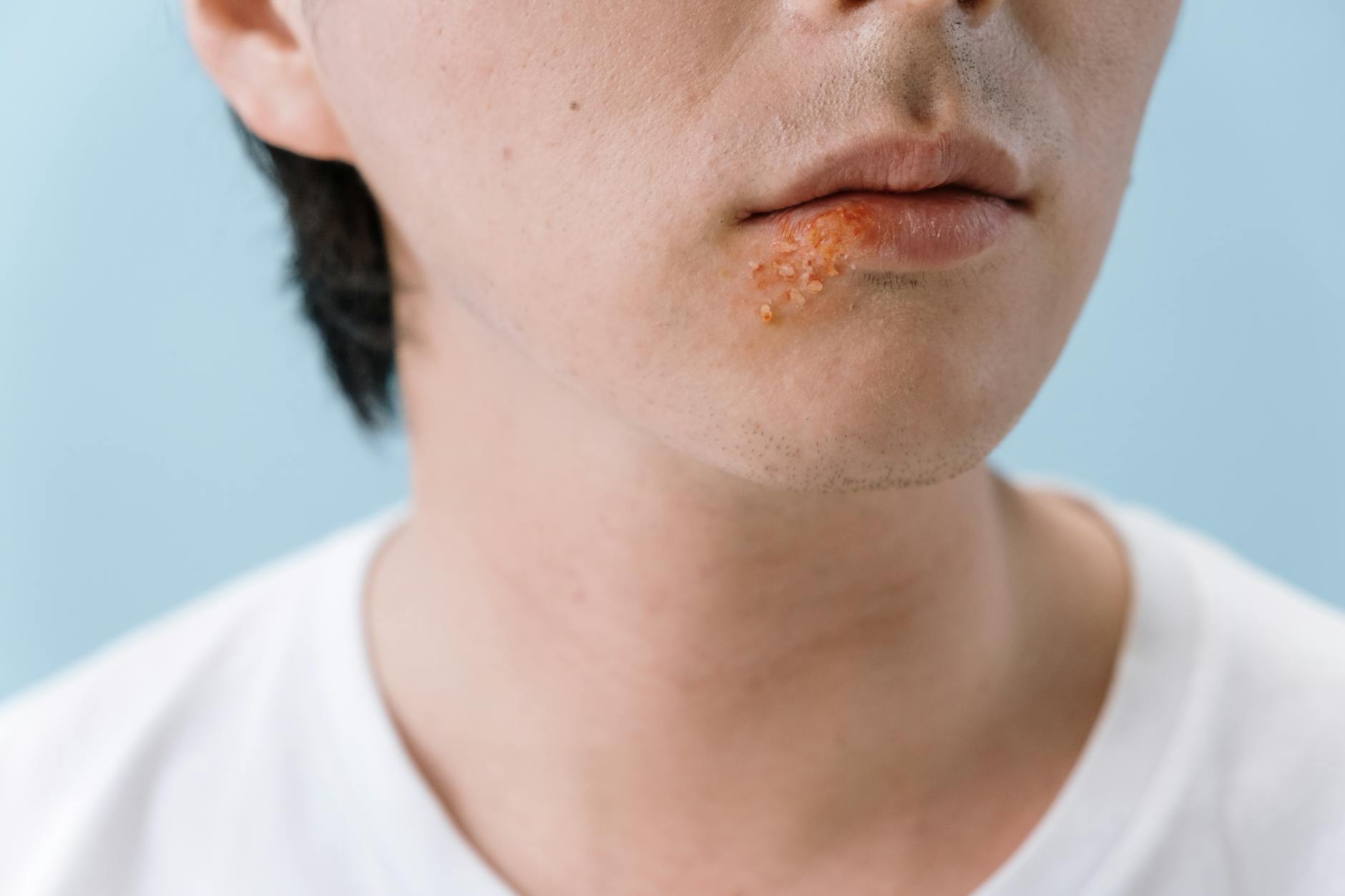
Atopic dermatitis, commonly called eczema, is one of the most actively recruited conditions in dermatology research right now. Both UC San Diego and UCSF list multiple open eczema trials for 2026, and private research centers like Optima Research and Indiana Clinical Trials Center are running concurrent eczema studies with different protocols and compensation levels. If you have moderate-to-severe eczema that has not responded well to standard treatments, you are in particularly high demand — most trials are looking for patients whose condition is inadequately controlled by existing options. Acne studies are available at Mount Sinai, Illinois Skin Center, UC San Diego, Schweiger Dermatology Group, and multiple Texas-based centers including DermResearch in Austin. Psoriasis trials are similarly widespread. However, eligibility criteria can be surprisingly specific.
A psoriasis study might require that you have plaque psoriasis covering a minimum percentage of your body surface area, or that you have tried and failed at least one biologic therapy. If your condition is mild, you may find fewer studies open to you — most pharmaceutical companies are testing treatments designed for moderate-to-severe cases where the unmet medical need is greatest. There are also studies for less common conditions that still fall under the dermatology umbrella. Optima Research is recruiting for a prurigo nodularis study requiring 17 visits over 52 weeks with a stipend provided. These niche condition studies sometimes offer higher compensation precisely because the patient pool is smaller and harder to recruit. If you have a less common dermatological diagnosis, it is worth searching specifically for your condition rather than assuming nothing is available.
New FDA-Approved Drugs That Are Driving Fresh Dermatology Trials in 2025-2026
A wave of recent FDA approvals is generating significant new trial activity, particularly in the eczema and psoriasis space. Zoryve, a roflumilast cream, received expanded FDA approval in October 2025 for atopic dermatitis in children ages 2 to 5, and was also approved in foam form in May 2025 for scalp and body psoriasis in patients 12 and older. Each of these approvals triggers follow-up studies — post-market surveillance trials, real-world effectiveness studies, and head-to-head comparisons against existing treatments. Opzelura, a ruxolitinib cream, became the first topical JAK inhibitor approved for children aged 2 to 11 with mild-to-moderate atopic dermatitis.
Tremfya, the biologic guselkumab, became the first IL-23 inhibitor approved for pediatric plaque psoriasis in September 2025. These pediatric approvals are especially notable because they open an entirely new category of trials enrolling children, which typically compensate the parent or guardian and offer free treatment for a condition that can be expensive to manage in young kids. Looking ahead, Ebglyss (lebrikizumab) showed 2025 data demonstrating long-term skin clearance for atopic dermatitis with dosing as infrequent as once every 8 weeks. Meanwhile, icotrokinra — an oral IL-23 receptor blocker highlighted at Maui Derm 2026 — is being positioned as a potential breakthrough for moderate-to-severe psoriasis. The significance of an oral option cannot be overstated; most current biologics for psoriasis require injection, so an effective pill would be a genuine shift. Trials for these pipeline drugs represent some of the most cutting-edge opportunities available to participants right now.
Where to Find Legitimate Paid Dermatology Studies Near You
The most reliable starting point is ClinicalTrials.gov, the federal database maintained by the National Institutes of Health. You can filter by condition — acne, eczema, psoriasis, or any specific diagnosis — along with your geographic location and recruiting status. The listings include the study sponsor, the research site, eligibility criteria, and often a description of compensation, though some entries are vague on the payment details and require you to call the site directly. Beyond the federal database, Skin Care Research at skincareresearch.org has over 25 years of history running dermatology trials and is currently enrolling with compensation. CenterWatch aggregates dermatology clinical trial listings with compensation details and is useful for comparing what is available across multiple sites.
For location-specific searches, going directly to research center websites is often the fastest path — DermResearch in Austin, Cahaba Clinical Research in Birmingham, Optima Research, and Illinois Skin Center all maintain current recruiting pages listing exactly what they need and what they pay. The tradeoff between academic medical centers and private research sites is worth considering. University-affiliated sites like Mount Sinai, UCSD, and UCSF tend to run trials for the newest investigational drugs and may offer access to treatments years before they hit the market. Private research centers often run more studies simultaneously and may have faster enrollment timelines, but they are more likely to be testing incremental improvements to existing drug classes. Neither is inherently better — it depends on whether you prioritize access to a specific therapy or flexibility in scheduling.
What to Watch Out For Before Enrolling in a Dermatology Trial
The most common frustration participants report is the washout period. Many dermatology studies require you to stop using your current treatments — topical steroids, biologics, immunosuppressants — for a specified period before the trial begins. This means your skin condition may flare during the gap between stopping your current regimen and starting the study medication. For someone with severe eczema or psoriasis, a washout period of two to four weeks can be genuinely miserable. Ask about this upfront before you commit to screening. Placebo-controlled studies are another consideration that catches people off guard. In many dermatology trials, there is a chance you will be randomized to a placebo group and receive an inactive treatment for weeks or months. Some studies use a placebo-controlled phase followed by an open-label extension where everyone gets the active drug, but not all trials are structured this way.
If your condition is severe enough that going untreated poses a real quality-of-life problem, make sure you understand the study design and what happens if your condition worsens during the placebo phase. Most protocols have rescue medication provisions, but the threshold for triggering them varies. Financial logistics deserve attention too. Compensation is typically paid per completed visit, not upfront. If a study requires visits every two weeks for six months, you will receive payments incrementally over that period. Some sites pay by check after each visit, others accumulate payments and issue them monthly or at study milestones. Travel reimbursement policies also differ — some sites provide gas cards or rideshare credits, while others fold travel costs into the per-visit payment. Clarify the payment schedule before signing the informed consent form so there are no surprises.

How Decentralized Trials Are Changing the Dermatology Research Experience
Dermatology is seeing a surge in decentralized clinical trials, where participants can complete parts of studies from home using smartphone photo monitoring and nurse home visits. This is a significant shift from the traditional model that required every assessment to happen in a clinic. For skin conditions, remote monitoring works particularly well — a dermatologist can evaluate lesion severity, redness, and scaling from high-resolution photographs submitted through a study app, reducing the number of in-person visits required.
This trend matters for compensation and accessibility. Decentralized study designs lower the travel burden, which means participants in rural areas or those without easy access to a major research center can now enroll in trials that would have been impractical before. Social media recruitment is also enhancing participant diversity in dermatology trials — a 2025 PubMed study on the SAFA trial documented how targeted social media outreach reached populations that traditional recruitment methods had historically missed.
What the 2026 Dermatology Research Pipeline Means for Paid Study Opportunities
The 2026 drug pipeline focuses on oral TYK2 inhibitors, durable IL-23 biologics for psoriasis, and oral therapies for alopecia areata. Each of these drug classes requires extensive Phase II and Phase III clinical trials, which translates directly into more paid study opportunities for participants over the next 12 to 24 months. The trend toward oral medications for conditions currently treated with injections is particularly notable — these trials tend to attract more participants, which means research sites compete harder on compensation and convenience to fill enrollment targets.
For people with chronic skin conditions, the current moment represents an unusually active period in dermatology research. More drugs are in the pipeline, more research sites are recruiting, and the shift toward decentralized trial designs is making participation more accessible than it has been historically. Whether you are looking for $100 to $500 from a short study or considering a longer commitment with higher total compensation, the volume of available opportunities is substantial.
Conclusion
Paid dermatology studies for acne, eczema, and psoriasis are widely available right now, with per-visit compensation typically ranging from $75 to $150 and total study payments running from a few hundred dollars into the thousands depending on duration and complexity. Research centers like Indiana Clinical Trials Center, Optima Research, Illinois Skin Center, Cahaba Clinical Research, and DermResearch are actively enrolling. Beyond the cash, participants receive free medication, lab work, and specialist consultations — a meaningful benefit for anyone managing a chronic skin condition.
The practical next step is to search ClinicalTrials.gov for your specific condition and location, then cross-reference with dedicated dermatology research sites like skincareresearch.org and CenterWatch. Contact the research coordinators directly to ask about compensation schedules, washout requirements, and placebo probabilities before committing. With a record number of new dermatology drugs moving through clinical trials in 2026, the window for participation is wide and the options are better than they have been in years.



