
Attorneys routinely pay between $200 and $700 per day to ordinary people willing to sit through mock trials and deliver honest feedback — and they don’t care whether you’ve ever set foot in a law school. Mock juror work is one of the better-paying side gigs in the paid research space, though the reality is more nuanced than the headline figure suggests. In-person, full-day sessions in major metro areas command the top rates, while quick online case reviews through platforms like eJury pay as little as $5 to $10 per submission. The opportunity is real, but your earnings depend heavily on where you live, which platforms you join, and whether you’re willing to show up in person.
The trial consulting industry has built an entire infrastructure around testing case arguments before they reach a courtroom. Magna Legal Services alone has conducted more than 2,000 online jury research exercises with over 25,000 mock jurors, which gives you a sense of how large and active this market is. Major firms like Focus Litigation Consulting, Cogent Legal, and First Court treat mock juries as a standard pre-trial tool. For you, that means a steady pipeline of paid opportunities — if you know where to look. This article breaks down verified pay rates across eight platforms, explains what the work actually involves, identifies the cities where cases concentrate, and covers the tax and earnings realities that most articles gloss over.
Table of Contents
- How Much Do Attorneys Actually Pay Mock Jurors, and Why Don’t You Need a Legal Background?
- Where to Sign Up — The Eight Platforms Worth Your Time
- Why Your Location Is the Biggest Factor in What You’ll Earn
- How to Register Strategically and Maximize Your Chances
- Tax Obligations and the Independent Contractor Reality
- What a Typical Mock Jury Session Actually Looks Like
- The Growth of Virtual Mock Trials and What It Means for Jurors
- Conclusion
- Frequently Asked Questions
How Much Do Attorneys Actually Pay Mock Jurors, and Why Don’t You Need a Legal Background?
The pay range is wide because mock juror work comes in several formats. At the top end, in-person mock trials pay $200 to $700 per day depending on case length and complexity, according to OnlineVerdict and MoneyPantry. These sessions typically run a full day and involve reviewing evidence, listening to attorney presentations, deliberating with other mock jurors, and rendering a verdict. Virtual mock trials conducted over Zoom fall in the $75 to $700 range for two to ten hours of work. At the lower end, online case reviews — where you read a case summary and submit written feedback — pay $20 to $60 per case and take 20 to 60 minutes each. ZipRecruiter lists mock jury job hourly rates ranging from $12 to $103 per hour as of February 2026, reflecting this same spectrum from quick online reviews to intensive in-person sessions. Attorneys don’t want legal expertise from their mock jurors. They want the opposite. The entire point of a mock jury is to gauge how regular people — the same people who would sit in a real jury box — react to evidence, witness testimony, and legal arguments.
If you walked in with a law degree and started analyzing procedural motions, you’d be useless to them. The only requirements are that you’re a U.S. citizen, at least 18 years old, and able to listen carefully and give honest feedback. Attorneys and trial consulting firms are specifically looking for demographic diversity that matches the jury pool in their trial venue, which is why your zip code and background information matter more than any credential you could bring. For comparison, consider the difference between ejury and an in-person session through GT Research. eJury, which has been operating since 1999 and has zero BBB complaints, pays $5 to $10 per case via PayPal for short online reviews you can complete in your pajamas. GT Research pays $135 to $150 per day for in-person mock trials, with $150 for specialty demographics. That’s a 15-to-1 pay difference, but the time commitment and logistics are also vastly different. The online review might take 30 minutes. The in-person session takes your whole day plus travel.
Where to Sign Up — The Eight Platforms Worth Your Time
Every legitimate mock juror platform is free to join. This is a hard rule: if a site asks you for money to access mock juror opportunities, it’s a scam. Attorneys pay the platforms directly, often thousands of dollars per case, so the platforms have no reason to charge jurors. Here are the verified platforms, each with different strengths. OnlineVerdict was the first virtual mock-trial company in the legal industry and pays $30 to $700 per assignment via check. If you earn $600 or more in a year, they’ll issue a 1099. eJury, founded by an attorney in 1999, handles the lower end of the pay scale at $5 to $10 per case but pays quickly through PayPal and has a clean track record. First Court specializes in venue-matched juror recruiting for nationwide trials and pays $150 to $350 per session for both half-day and full-day formats.
GT Research offers $135 to $150 per day. Jury Solutions pays $20 per hour, and since most trials require about eight hours, that works out to roughly $160 per day. SignUpDirect focuses on in-person assignments at $100 or more per day. JuryTest handles virtual feedback through live chat, voice recordings, or surveys at $20 to $50 per session. And JurySignUp.com connects participants with legal focus groups and summary trials. However, signing up doesn’t guarantee work. Most online-only mock jurors realistically earn around $50 per year because case invitations are infrequent outside major metropolitan areas. If you live in a rural area or a small city and only register for online opportunities, you should expect long gaps between invitations. The platforms aren’t withholding work — there simply aren’t enough cases to go around for every registered juror in every zip code.
Why Your Location Is the Biggest Factor in What You’ll Earn
Dallas, Los Angeles, new York, and Chicago generate the most mock jury case volume by a wide margin. This makes sense when you think about it: these cities have the highest concentration of litigation activity, the largest law firms, and the most trial consulting firms operating locally. Attorneys preparing for a trial in Dallas County need mock jurors whose demographics resemble the Dallas County jury pool, so they recruit heavily in that area. If you live within commuting distance of one of these cities, your chances of landing $200-plus in-person sessions jump dramatically. Living near a major city and being willing to say yes to full-day in-person sessions is where the $200 to $700 per day paydays come from.
This is the single most important variable in your earning potential as a mock juror. A registered mock juror in Manhattan who’s willing to take a day off work for an in-person session will earn more in one assignment than an online-only juror in a mid-size city might earn in an entire year. It’s not fair, but it reflects how the legal industry distributes its spending. For people in smaller cities or rural areas, online platforms like eJury, OnlineVerdict, and JuryTest are still worth joining — you’re just calibrating expectations differently. Think of online mock juror work as occasional beer money rather than a reliable income stream. The $20 to $60 per online case review is decent for the time involved, but the invitations might come once a month or less frequently depending on your location and demographic profile.

How to Register Strategically and Maximize Your Chances
The single most effective tactic is to register on multiple platforms simultaneously. Each platform works with different law firms and trial consulting companies, so being on eJury doesn’t mean you’ll see the same cases that come through OnlineVerdict or First Court. Casting a wider net is the only way to increase the frequency of case invitations, since no single platform generates enough volume to keep any one juror busy. When you register, complete your demographic profile fully and accurately. Attorneys seek specific juror profiles matching their trial venue — they might need women aged 35 to 50 in Harris County, Texas, or men without college degrees in Cook County, Illinois. The more demographic information you provide, the more precisely the platforms can match you to cases where your profile fits.
Leaving fields blank doesn’t protect your privacy in any meaningful way; it just makes you invisible to the matching algorithms. The tradeoff between online and in-person work is straightforward. Online reviews through platforms like eJury and JuryTest pay less but require minimal effort and no travel. You can do them from your couch in the evening. In-person sessions through First Court, GT Research, SignUpDirect, and others pay three to ten times more but require you to block out a full day, commute to a facility, and engage intensively with case materials and other mock jurors. If you have schedule flexibility and live near a major metro area, prioritizing in-person opportunities is the clear winning strategy for maximizing earnings. If you’re doing this purely as a side activity and can’t take days off, the online route is your realistic option.
Tax Obligations and the Independent Contractor Reality
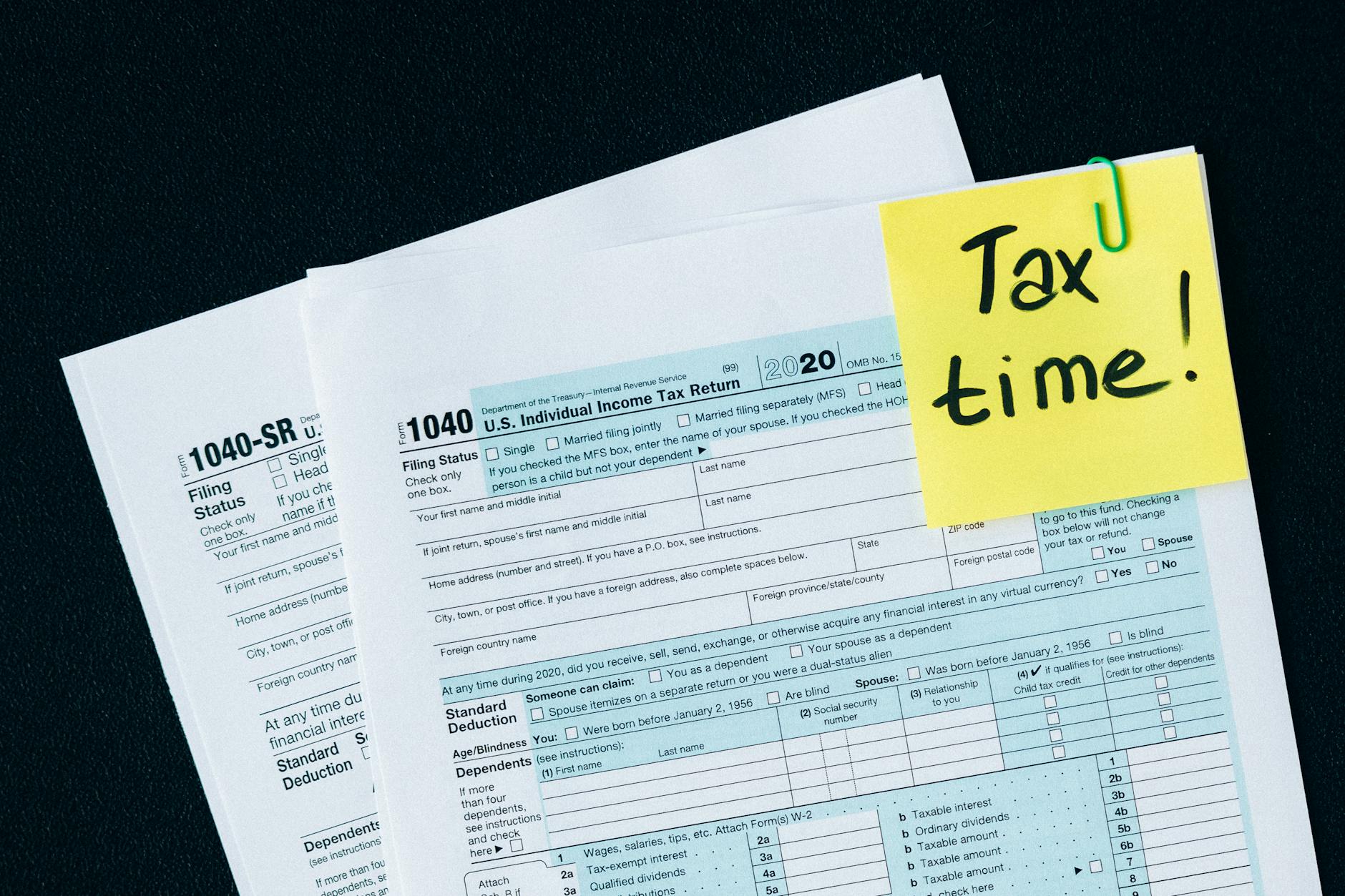
Mock jurors are classified as independent contractors, not employees. This means no taxes are withheld from your payments, no benefits are provided, and you’re responsible for reporting the income on your tax return. OnlineVerdict explicitly states they issue a 1099 if you earn $600 or more in a calendar year, which is the standard IRS threshold for reporting non-employee compensation. Even if you earn less than $600 from a single platform and don’t receive a 1099, the income is still technically taxable and should be reported. For most mock jurors, this isn’t a complicated tax situation. If you’re earning $50 to $300 per year from occasional online reviews, the tax impact is minimal.
But if you’re doing regular in-person work and pulling in $2,000 or more annually across multiple platforms, you should be tracking your earnings and potentially making estimated quarterly tax payments. Keep records of what each platform pays you and when, because the IRS won’t have that information consolidated for you if you’re working across six or seven different sites. One limitation that catches people off guard: because this is independent contractor work, you have no guarantee of ongoing assignments. A platform might send you three case invitations in one month and then nothing for four months. You can’t budget around mock juror income the way you would a part-time job. It’s supplemental income, not a replacement for steady employment, and anyone marketing it as a full-time income opportunity is misleading you.
What a Typical Mock Jury Session Actually Looks Like
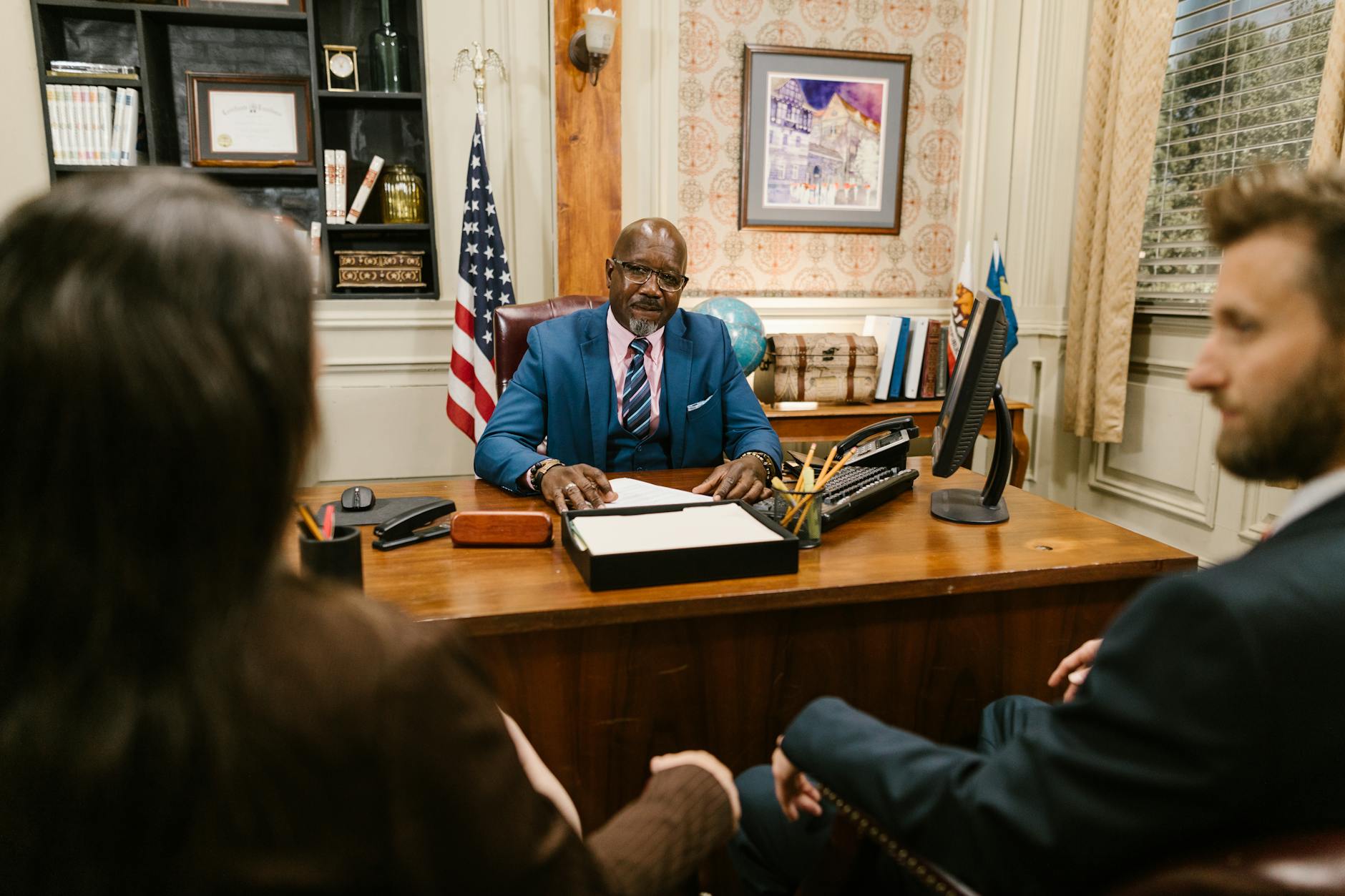
A full-day in-person mock trial typically begins with check-in at a conference facility or hotel meeting room. You’ll sign a confidentiality agreement — the case details are real and the attorneys don’t want their strategies leaking. From there, attorneys or consultants present abbreviated versions of both sides of the case, sometimes including video depositions, documents, and demonstrative exhibits. You deliberate with other mock jurors, and the consulting team observes how the group discusses the evidence, which arguments land, and which fall flat.
GT Research, for example, runs sessions where you’re paid $135 to $150 for a day of this work, with the higher rate going to participants whose demographics are harder to recruit. Online case reviews are far simpler. On eJury, for instance, you log in, read a case summary that might be a few pages long, answer a series of questions about how you’d rule and why, and submit your responses. The whole process takes 20 to 60 minutes and pays $5 to $10 via PayPal. It’s less engaging but also requires almost no commitment beyond the time spent reading and typing.
The Growth of Virtual Mock Trials and What It Means for Jurors
The trial consulting industry’s shift toward virtual and hybrid formats accelerated over the past several years, and that trend shows no signs of reversing. OnlineVerdict pioneered virtual mock trials and continues to expand its platform, while firms like Magna Legal Services have scaled to thousands of online exercises. For prospective mock jurors, this means more opportunities that don’t require physical presence — but it also means more competition for each assignment, since geography becomes less of a barrier for online work.
The practical takeaway is that the market is growing but becoming more competitive on the virtual side. In-person work remains the province of people willing to show up, which naturally limits the applicant pool and keeps pay rates higher. If you’re serious about earning meaningful money as a mock juror, the smartest long-term approach is to register broadly, keep your profiles current, and treat every invitation as worth considering — especially the in-person ones. The attorneys writing the checks aren’t going to stop needing feedback from people like you anytime soon.
Conclusion
Mock juror work pays real money — $200 to $700 per day for in-person sessions, $20 to $60 for online case reviews — and requires nothing beyond citizenship, honesty, and the ability to pay attention. The eight platforms listed here are all free to join and legitimate. Your earning potential depends primarily on your location, your willingness to do in-person work, and how many platforms you register on. People in Dallas, Los Angeles, New York, and Chicago will see the most invitations, while those in smaller markets should set realistic expectations about frequency. Start by registering on OnlineVerdict, eJury, First Court, and at least two or three other platforms from the list.
Fill out every demographic field completely. If you live near a major metro area, opt in to in-person sessions — that’s where the $200-plus paydays live. Keep records of your earnings for tax purposes since you’ll be working as an independent contractor. And remember the cardinal rule: no legitimate platform will ever charge you to sign up. The attorneys are the customers, not you.
Frequently Asked Questions
How much do mock jurors get paid per session?
Pay varies significantly by format. In-person mock trials pay $200 to $700 per day. Virtual sessions over Zoom pay $75 to $700 for two to ten hours of work. Online case reviews, which are the quickest format, pay $20 to $60 per case and take 20 to 60 minutes. At the low end, eJury pays $5 to $10 per short online review.
Do I need a law degree or legal experience to be a mock juror?
No. Attorneys specifically want people without legal training because the goal is to simulate how a real jury of ordinary citizens would respond to their case. You need to be a U.S. citizen, at least 18 years old, and capable of listening to case materials and providing honest feedback.
Are mock juror websites legitimate or are they scams?
The platforms listed in this article — OnlineVerdict, eJury, First Court, GT Research, Jury Solutions, SignUpDirect, JuryTest, and JurySignUp.com — are all legitimate and free to join. eJury has been operating since 1999 with zero BBB complaints. The key warning sign of a scam is any site that asks you to pay a fee to access mock juror opportunities. Legitimate platforms are funded by the attorneys who hire them.
How often will I get mock juror assignments?
This depends heavily on your location and demographic profile. Most online-only mock jurors realistically earn about $50 per year because case invitations are infrequent outside major metro areas. People living near Dallas, Los Angeles, New York, or Chicago receive significantly more invitations. Registering on multiple platforms increases your chances.
Do I have to pay taxes on mock juror income?
Yes. Mock jurors are classified as independent contractors. Platforms like OnlineVerdict issue a 1099 form if you earn $600 or more in a year, but all mock juror income is technically taxable regardless of whether you receive a 1099. Keep your own records of payments received from each platform.
Can I do mock jury work entirely online?
Yes. Platforms like eJury, OnlineVerdict, and JuryTest offer fully online case reviews and virtual mock trials. However, online-only work generally pays much less — $5 to $60 per assignment compared to $200 to $700 for in-person sessions. Online assignments are also less frequent, so expect this to be occasional supplemental income rather than a steady gig.



