
Athletic shoe focus groups invite regular people to test sneakers and running shoes in the $100–$250 range and share detailed feedback with manufacturers. These research sessions are how Nike, Adidas, Brooks, Asics, and other footwear brands gather honest opinions about fit, comfort, design, and performance before launching new models. If you participate, you’ll typically wear test shoes for 1–2 weeks, complete surveys or video interviews about your experience, and receive compensation ranging from $50 to $250 depending on the study complexity and time commitment.
The market research here is genuine. Brands spend millions developing shoes but can’t rely solely on internal testing—they need feedback from actual runners, gym-goers, and casual wearers across different foot types and fitness levels. A focus group participant might discover that a shoe’s arch support works well for flat feet but causes discomfort for high arches, or that the heel cushioning feels great initially but breaks down after 50 miles of running. That real-world feedback directly influences whether a shoe gets green-lit for production or gets redesigned before hitting shelves.
Table of Contents
- Why Athletic Shoe Brands Conduct Focus Groups and Market Testing
- How Athletic Shoe Testing Sessions Work and What Feedback You’ll Provide
- Compensation Structures and Payment for Shoe Testing Participation
- Finding and Joining Shoe Testing Focus Groups
- Realistic Expectations vs. Common Misconceptions About Shoe Testing
- Types of Feedback Brands Collect and How It Shapes Shoe Design
- The Future of Athletic Shoe Testing and Emerging Research Methods
- Conclusion
Why Athletic Shoe Brands Conduct Focus Groups and Market Testing
Shoe manufacturers use focus groups because lab testing can’t replicate how actual feet interact with footwear over time. A shoe that passes durability tests in a factory might feel unstable to someone with weak ankles, or the color combination that looked great on a mockup might not appeal to the target demographic when worn in public. By recruiting 20–50 people who match specific profiles—for instance, female trail runners aged 25–35 with a history of knee pain—brands get actionable feedback about whether a shoe solves the problems it was designed to address. The competition in athletic footwear is intense.
Running shoe categories alone generate tens of billions in annual revenue globally, and brands launch dozens of new models every season. A focus group can reveal that a shoe is 90% perfect but the toe box is too narrow, or the laces slip too easily, or the cushioning feels mushy to experienced runners who prefer a firmer ride. These insights can mean the difference between a bestseller and a product that gets marked down at outlets. One major athletic brand scrapped an entire cushioning technology after a focus group revealed that participants found it unstable on uneven terrain, despite the shoes performing well on standard testing equipment.
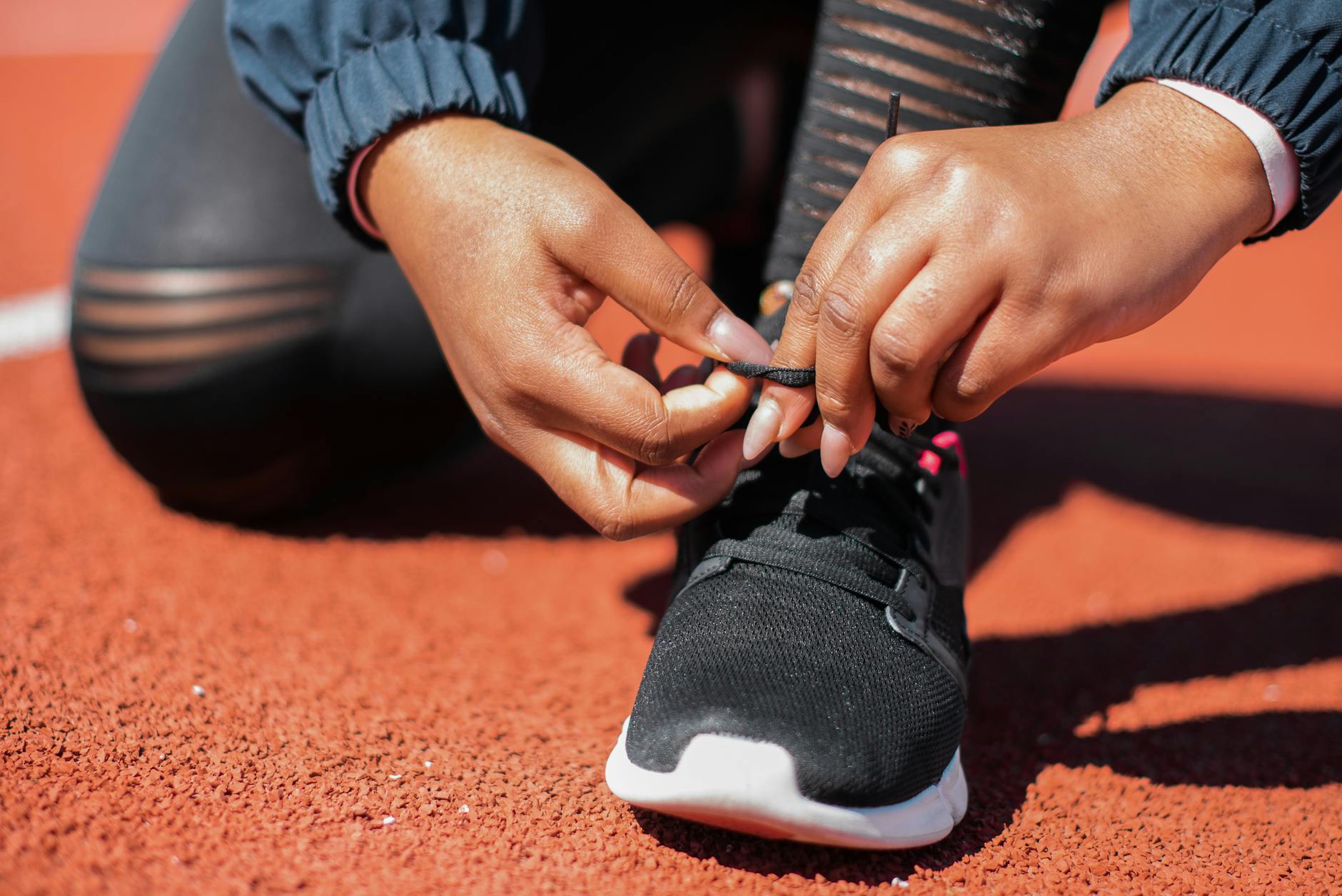
How Athletic Shoe Testing Sessions Work and What Feedback You’ll Provide
Most shoe focus groups follow a consistent structure. You’ll fill out a screening survey about your shoe size, running habits, foot problems, and lifestyle (gym use, commuting, casual wear). If selected, you’ll receive test shoes—usually multiple pairs or different colorways of the same model—and wear them for 7–14 days in your normal routine. During that period, you track mileage, log your impressions in a diary or app, and note any discomfort or performance issues.
At the end, you participate in a video call, in-person session, or lengthy online questionnaire where you detail your experience. The feedback brands want goes far beyond “I liked them.” Researchers ask specific questions: How does the arch support compare to your current shoes? Did the heel rub or slip? What distance feels comfortable—5K or 20K? How did the outsole grip perform on wet concrete? Did the upper material breathe adequately? Would you pay $150 for this shoe, or does it feel like a $120 shoe? This level of detail helps engineers identify which design elements work and which need refinement. One limitation to be aware of: a two-week test period doesn’t reveal long-term durability issues. A shoe might feel fresh for the first 50 miles but develop separation between the sole and upper after 200 miles—something a focus group won’t catch. That’s why brands also run durability studies in parallel with focus groups.
Compensation Structures and Payment for Shoe Testing Participation
Most athletic shoe focus groups pay between $75 and $250, depending on the time investment and logistics. A simple at-home testing study where you wear shoes for two weeks and submit online surveys might pay $75–$125. In-person focus group sessions in major cities—where you come to a research facility, try on multiple prototypes, discuss fit and comfort for 2–3 hours, and provide detailed feedback—typically pay $150–$250 per session. Some brands offer additional incentives: you keep the test shoes (a pair worth $100–$180), or you receive a gift card or bonus payment for completing every survey on time.
Payment timing varies. Some research companies pay immediately after the session, while others take 2–4 weeks to process. A few offer partial payment upfront and the remainder upon completion. The important caveat: if a study requires you to wear shoes for two weeks, you may not receive payment until after those two weeks plus the final survey, so plan accordingly if you’re counting on the money. Additionally, some focus groups are part of longer research panels where you might be asked to return for follow-up studies months later, potentially earning additional fees for extended feedback on the same shoe model’s evolution.
Finding and Joining Shoe Testing Focus Groups
Recruitment happens through multiple channels. Major athletic brands maintain their own research participant databases and send invitations directly to people who’ve registered on their websites. Market research firms like Qualtrics, Ipsos, and Dynata run shoe-testing studies and recruit through their participant panels—you can join these panels directly on their websites. Specialized research agencies focused on athletic products, such as those contracted by brands, post opportunities on Craigslist, Facebook Groups dedicated to running communities, and niche forums like Runner’s World. Some university kinesiology or exercise science departments also conduct footwear studies and recruit locally.
The recruitment process usually starts with a screener survey. Brands are looking for specific demographics and participant types. A study might require participants who log at least 20 miles per week of running, or conversely, casual gym-goers who wear athletic shoes 3–5 days a week but don’t run competitively. If you fit the profile, you’ll get selected and sent the test shoes. The tradeoff: being too niche in profile (e.g., ultra-distance trail runners in the Pacific Northwest) means fewer studies match you, so acceptance rates are lower. Conversely, if you’re a general recreational runner or casual athletic shoe wearer, you’ll likely qualify for more studies but face more competition with other participants.
Realistic Expectations vs. Common Misconceptions About Shoe Testing
Many people assume they’ll get free premium shoes from every focus group—and some do keep the test shoes. However, many brands request the shoes back after testing or provide shoes you can’t wear elsewhere (they’re often prototypes or pre-release models with labels indicating “Not for Sale”). Additionally, the shoes you test might not even make it to market; some are experimental designs used to gather feedback on specific features that later get incorporated into other models. One participant in a Brooks running shoe study tested a prototype with an entirely different cushioning system than any shoe Brooks currently makes, and that shoe never launched—it was pure research. Another expectation to adjust: the studies aren’t glamorous. You’re not hanging out with elite athletes or shoe designers.
You’re logging data in a spreadsheet, answering survey questions, and describing foot pain or blisters on a video call. Some participants also find that testing shoes can be inconvenient. If you’re given a shoe that doesn’t fit well or causes discomfort, you still need to wear it for data purposes—researchers want to know when shoes feel bad too. The important warning here is to read the terms carefully. Some studies require you to not run or exercise in other shoes during the test period, which isn’t realistic if the test shoe causes pain. Always clarify whether you can stop wearing a shoe if it’s causing injury.

Types of Feedback Brands Collect and How It Shapes Shoe Design
Feedback falls into several categories. Performance data includes metrics like mileage before discomfort, traction feedback on specific surfaces, and cushioning durability over time. Comfort assessments cover arch support, heel fit, toe box width, moisture-wicking, and temperature regulation. Design feedback addresses color appeal, logo placement, material texture, and whether the aesthetic matches the intended marketing positioning. Functional feedback examines lace systems, tongue padding, and whether the shoe is easy to put on or take off.
An example: a brand tests a new women’s running shoe in three color palettes—navy blue, coral, and sage green. The focus group feedback reveals that the target demographic (women age 30–50 who run 3–4 times weekly) overwhelmingly prefer the coral because it’s distinctive, while the navy was perceived as boring. That feedback might push the brand to stock more coral colorways and scale back navy production. Alternatively, if focus groups reveal the sage green appeals strongly to a younger demographic (age 20–25), the brand might launch a secondary marketing campaign targeting that group. Design decisions worth millions in inventory and production capacity can hinge on focus group preferences.
The Future of Athletic Shoe Testing and Emerging Research Methods
The footwear research landscape is evolving. Virtual reality and augmented reality are beginning to play a role—researchers can show participants photorealistic renderings of shoe designs and gather feedback before physical prototypes are even manufactured. Wearable sensors embedded in test shoes are becoming more common, capturing real-time data on pressure distribution, foot movement, and muscle fatigue without relying solely on participant self-reporting. Some brands are also shifting toward longer-term “ambassador” programs where select participants test multiple shoe iterations over months or even a year, providing richer longitudinal data.
At the same time, remote participation is expanding. During and after the pandemic, more shoe focus groups moved online, allowing brands to recruit participants across wider geographic regions without the logistics of in-person testing facilities. A runner in Portland can now test shoes developed in Portland, Boston, or Taipei without traveling. This democratization makes it easier for more people to participate, though it also means less direct interaction with researchers and sometimes more reliance on self-reported data rather than in-person observation of how shoes perform.
Conclusion
Athletic shoe focus groups in the $100–$250 price range are a legitimate, straightforward way to earn $75–$250 while providing valuable feedback to major footwear brands. The research is genuine—your insights about fit, comfort, durability, and design genuinely influence which shoes get manufactured and how they’re marketed. The work is manageable: wear shoes for 1–2 weeks, answer questions about your experience, and sometimes participate in a video or in-person session.
You may keep the test shoes or receive them as an incentive, though always read the fine print on what happens to prototypes. To get started, join research panels with companies like Qualtrics, Ipsos, or Dynata; look for opportunities posted on running forums and athletic brand websites; or sign up for brand-specific research programs. Be realistic about the time commitment, read study requirements carefully to ensure you can complete them without injury or inconvenience, and clarify payment terms upfront. If you’re an athletic shoe wearer or runner looking for occasional side income and don’t mind detailed feedback surveys, shoe focus groups are worth exploring.



