
While specific focus group programs advertised as “Focus Groups for Firefighters — $100-$250 Equipment and Safety Studies” are not currently indexed by major search engines, firefighters are actively recruited for paid research studies on safety equipment and protocols. The compensation for these opportunities typically ranges from modest stipends to several hundred dollars per study, depending on the research scope, location, and sponsoring organization. If you’re a firefighter or first responder looking for these opportunities, they exist within specialized research networks, university partnerships, and federal grant-funded initiatives rather than through mainstream job boards.
The research landscape for firefighter safety has expanded significantly since 2024, driven by major federal funding and evolving equipment concerns. The National Institute for Occupational Safety and Health (NIOSH) established a dedicated Center for Firefighter Safety, Health, and Well-Being, while FEMA is distributing $32.4 million through the Fire Prevention and Safety grant program specifically to fund research and clinical studies on firefighter safety and health outcomes. This influx of funding means more research projects are actively recruiting firefighters for focus groups, equipment testing, and safety climate assessments.
Table of Contents
- What Types of Firefighter Safety Studies Offer Compensation?
- Federal Funding Driving Firefighter Research Opportunities
- Equipment and Safety Studies: What Firefighters Are Asked to Evaluate
- How to Find Firefighter Focus Group Opportunities
- Important Cautions and Limitations for Firefighter Research
- Academic Research vs. Commercial Product Testing
- The Future of Firefighter Safety Research
- Conclusion
What Types of Firefighter Safety Studies Offer Compensation?
Firefighter-focused research studies fall into several categories: equipment safety evaluations, occupational health assessments, turnout gear and protective clothing research, and operational safety protocol studies. Universities and government agencies typically offer compensation ranging from $50 to $300 or more for firefighters who participate in focus groups, interviews, or equipment testing sessions. For example, a 2025 study conducted with 51 Florida Forest Service personnel involved firefighters in focus groups evaluating safety climate and equipment practices over a three-month period—this type of multi-session study typically offers higher compensation than single-session focus groups.
The most common types of funded research center on equipment effectiveness and occupational health impacts. Recent peer-reviewed research has documented concerns about PFAS (per- and polyfluoroalkyl substances) in firefighter turnout gear, compounds potentially linked to health issues over long-term exposure. Studies examining these concerns recruit active firefighters to gather input on current gear practices, tolerance for equipment modifications, and safety priorities—exactly the type of research that compensation focus groups address.
Federal Funding Driving Firefighter Research Opportunities
The $32.4 million FEMA Fire Prevention and Safety grant program, announced in May 2026, has created a significant pipeline of firefighter research opportunities. These grants specifically fund clinical studies and research focused on firefighter health, well-being, and safety—meaning many of the projects receiving this funding will need to recruit focus group participants from the firefighter community. Unlike consumer focus groups that pay $25-$75 for an hour of time, government-backed firefighter research often offers higher compensation because it values the specialized knowledge and time of active emergency responders.
One limitation of federal grant-funded research: the recruitment timeline can be slow, and opportunities may not be widely advertised publicly. Instead, they’re often promoted through fire departments, firefighter associations, and occupational health networks. This means checking generic focus group websites may not surface these opportunities. For current information on firefighter-specific research, the NIOSH Center for Firefighter Safety, Health, and Well-Being (established within the CDC) actively solicits public input on research priorities and maintains a list of ongoing studies—this is a more reliable source than consumer research panels.
Equipment and Safety Studies: What Firefighters Are Asked to Evaluate
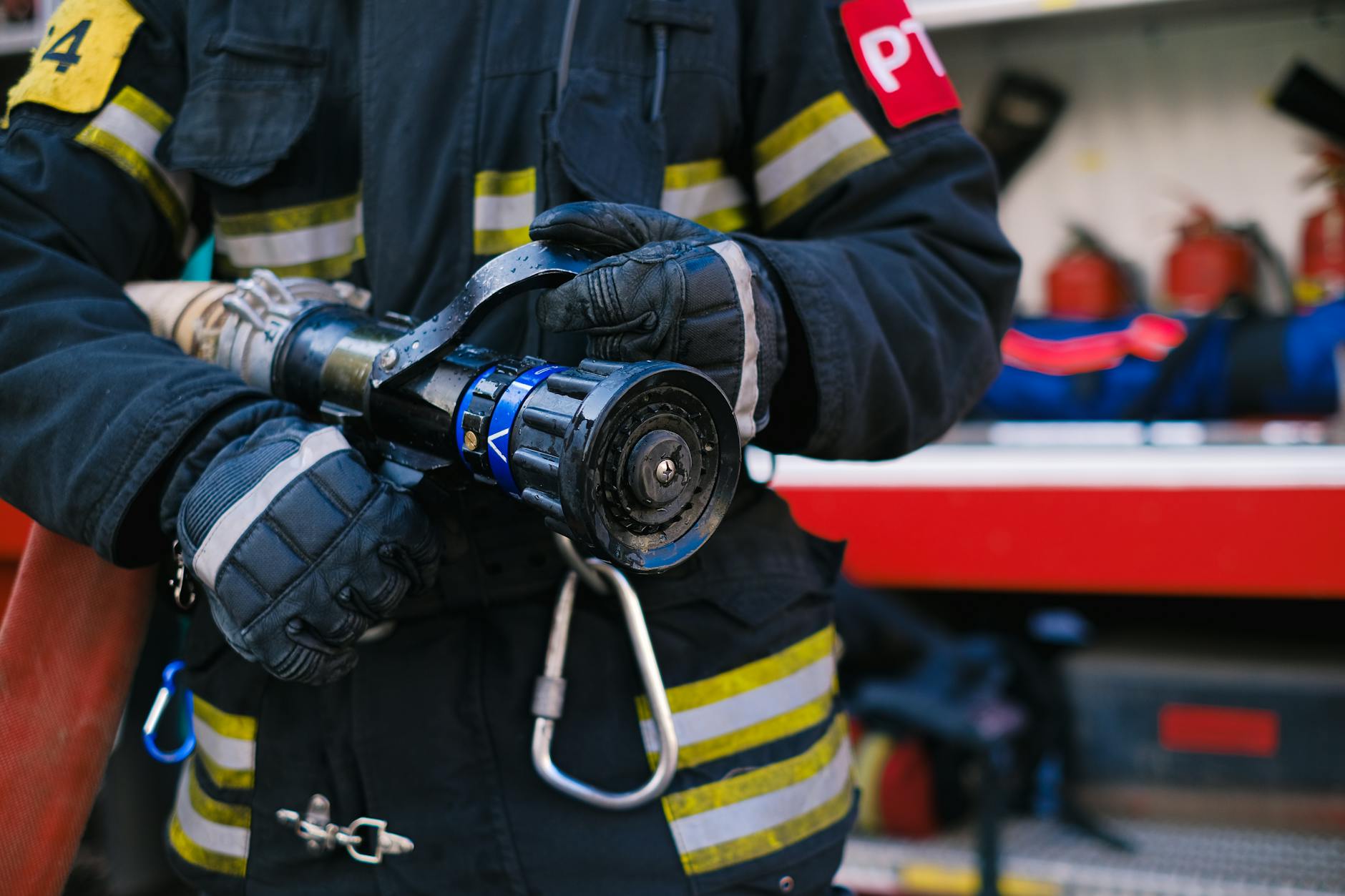
Recent focus group research has examined firefighter priorities around safety equipment, turnout gear durability, heat stress management, and communication systems. Universities have specifically recruited firefighters to discuss their real-world experiences with equipment standards, identify gaps in current safety protocols, and provide feedback on proposed modifications. These aren’t hypothetical discussions—researchers are testing actual equipment, asking firefighters to evaluate usability under realistic conditions, and incorporating feedback into design iterations.
An example of this research in practice: academic institutions have conducted focus groups with firefighters specifically to assess safety climate—the organizational culture and practices that support or undermine safety. Equipment manufacturers and safety standard-setting organizations (like those that set turnout gear specifications) also conduct focus groups with end users to understand pain points and priorities before finalizing new standards. This is where the $100-$250 compensation range typically applies, particularly for multi-hour focus groups or equipment testing sessions that require active firefighters to take time away from their departments.
How to Find Firefighter Focus Group Opportunities
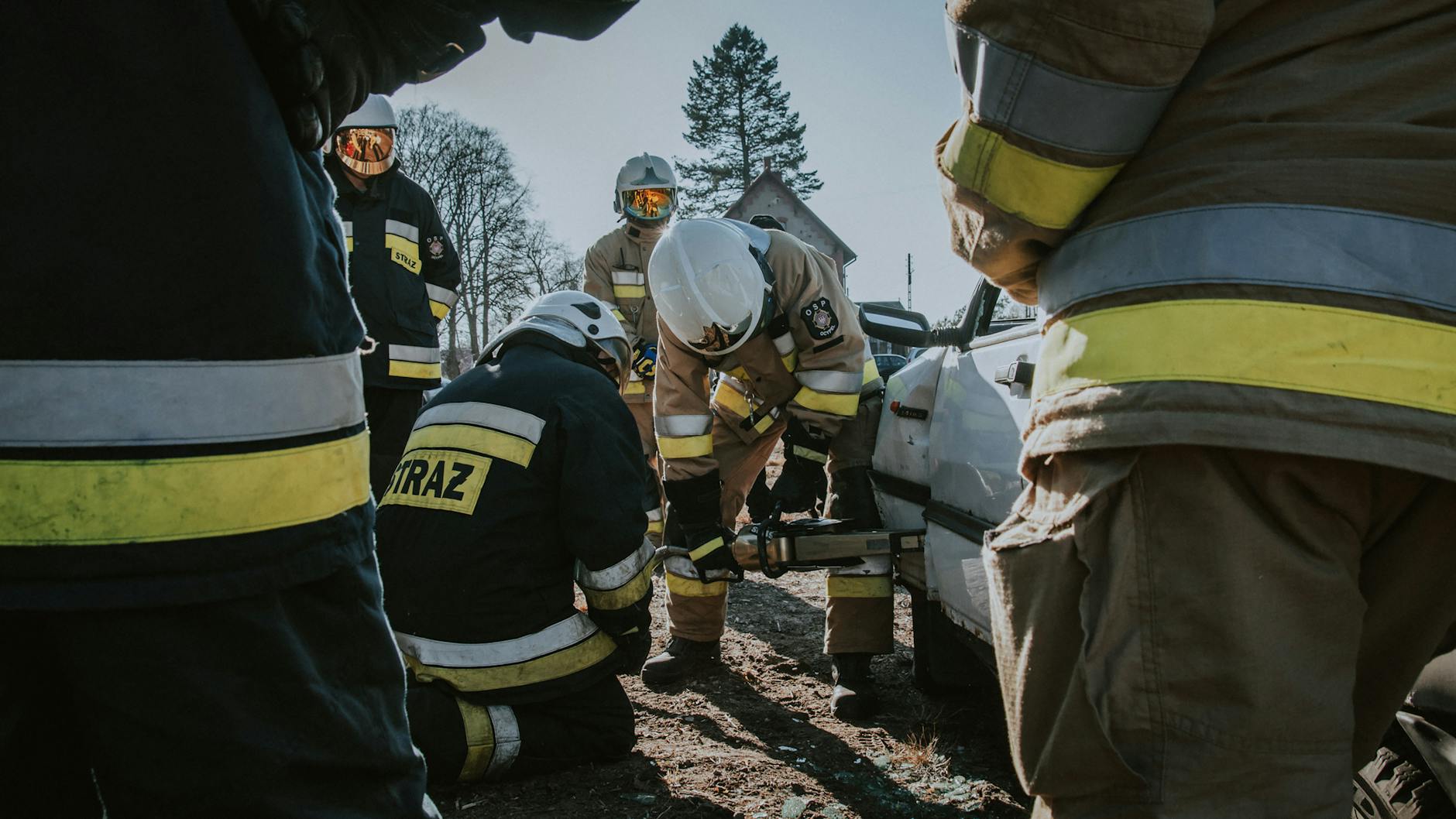
The most direct path to firefighter research opportunities is contacting NIOSH directly through their website or reaching out to your fire department’s administrative staff—many departments have relationships with university research programs or government agencies conducting safety studies. Occupational health organizations, firefighter unions, and state fire training academies often post research opportunities to their networks before they’re advertised publicly. Your local or state fire service office may maintain a list of approved research studies that accept firefighter participants.
NIOSH’s Center for Firefighter Safety actively recruits input from firefighters on research priorities and emerging studies. Additionally, many universities with occupational health or emergency response programs conduct firefighter research and post opportunities through their IRB (Institutional Review Board) notices or departmental connections. The tradeoff of this approach is that opportunities may appear less frequently than typical focus group panels, but the compensation tends to be higher and the research is substantive—you’re contributing to safety standards that could impact the entire profession, rather than providing marketing feedback on a commercial product.
Important Cautions and Limitations for Firefighter Research
Before committing to any firefighter focus group, verify the sponsoring organization’s credentials. Legitimate research will be sponsored by universities, government agencies (NIOSH, FEMA, CDC), or established research firms with IRB approval. Be cautious of any opportunity that asks for upfront payment, personal financial information beyond what’s needed for compensation, or promises compensation significantly higher than the $100-$300 range—these may be recruitment scams. Verify the research details directly with the sponsoring institution before sharing detailed information about your department or equipment practices.
Another limitation: many institutional research studies require you to sign non-disclosure agreements or limit your ability to discuss specific findings publicly. This is standard practice to protect intellectual property and equipment innovations being tested. Additionally, research participation typically happens outside of your firefighting shifts, requiring personal time commitment. Some studies also have strict inclusion criteria—they may only recruit firefighters from specific regions, with certain types of experience, or from departments of a particular size. Before investing time, confirm you meet the eligibility requirements.

Academic Research vs. Commercial Product Testing
Academic and government-funded research differs significantly from private product research. University and NIOSH studies typically offer transparent methodologies, published results that become part of the scientific record, and a direct impact on safety standards and policy. Commercial focus groups—conducted by equipment manufacturers or product companies—may be confidential, with results used only internally for product development.
For firefighters interested in contributing to safety innovation, government and academic research tends to have longer-term, broader impact. A concrete example: a study examining PFAS in turnout gear conducted through a university or NIOSH would produce peer-reviewed research published in occupational health journals, influencing future equipment standards and manufacturer practices. The same equipment feedback gathered through a private manufacturer’s focus group might improve one company’s product line but wouldn’t contribute to industry-wide safety knowledge. Both types of research compensate participants, but the scope of impact differs substantially.
The Future of Firefighter Safety Research
With federal funding increasing and NIOSH’s Center for Firefighter Safety now operational, expect to see more structured firefighter research opportunities over the next 2-3 years. Emerging research areas include long-term health impacts of PFAS exposure, heat stress management in climate change scenarios, and mental health outcomes in high-stress departments.
These are topics that will require focus groups, interviews, and equipment testing involving active firefighters—creating more opportunities for compensation-based research participation. The field is also shifting toward more diverse participant recruitment, with greater emphasis on recruiting from female firefighters, firefighters from underrepresented backgrounds, and smaller rural departments that have historically been underrepresented in research. This expansion of research scope means more regional opportunities and more participation pathways for firefighters outside major metropolitan areas.
Conclusion
While the specific “$100-$250 Focus Groups for Firefighters” program you may have heard about isn’t prominently advertised, the broader ecosystem of firefighter research is robust and expanding. Federal funding, university partnerships, and NIOSH’s focus on firefighter safety mean legitimate opportunities exist for firefighters to earn compensation while contributing to research that shapes safety standards and equipment development. The key is knowing where to look—through NIOSH, your fire department’s administrative channels, occupational health networks, and university research programs—rather than through general consumer focus group sites.
If you’re a firefighter interested in participating, start by contacting NIOSH’s Center for Firefighter Safety or your state fire training academy. Ask about current or upcoming research studies, verify any opportunity through the sponsoring institution directly, and understand whether the research aligns with your priorities for contributing to firefighter safety innovation. Compensation alone shouldn’t be the deciding factor; the value of these studies lies in helping shape safer equipment and protocols for your profession.



