
Physical therapists are increasingly recruited for focus group studies evaluating new rehabilitation equipment and wearable monitoring technology. While the compensation range of $150-$350 is often cited for these studies, current listings in May 2026 offering this specific rate for rehab equipment research are not widely available on major research platforms like ClinicalTrials.gov or university research websites. However, active research is ongoing: physical therapists have recently participated in focus groups evaluating Motion Tape (fabric-based wearable sensors) for clinical practice, stroke-specific lower extremity monitoring technology, and automated rehabilitation systems using the Technology Acceptance Model framework.
The demand for physical therapist participation in equipment research reflects a critical gap in product development. Manufacturers and researchers need experienced clinicians to evaluate whether new rehabilitation technologies are practical, effective, and usable in real clinical settings. Unlike laboratory-based testing or patient populations, focus groups with licensed physical therapists provide insights into clinical workflow integration, safety considerations, and long-term adoption challenges that pure engineering data cannot reveal.
Table of Contents
- Why Are Focus Groups Conducted for Rehabilitation Equipment?
- Understanding Compensation and Time Requirements
- Types of Rehabilitation Equipment Studies Recruiting Physical Therapists
- How to Find Physical Therapist Focus Group Studies
- What to Expect During Participation and Potential Challenges
- Qualifications and When You’re a Good Fit
- The Future of Rehabilitation Technology Research
- Conclusion
Why Are Focus Groups Conducted for Rehabilitation Equipment?
Rehabilitation equipment manufacturers and academic research teams rely on focus groups with physical therapists because this group bridges the gap between engineering design and clinical reality. Physical therapists understand patient outcomes, clinical constraints, treatment protocols, and the specific needs of both acute and chronic rehabilitation settings. Their feedback during product development phases can identify problems before expensive manufacturing mistakes occur and can highlight features that clinicians will actually use versus features that sound good in theory but create workflow friction. Recent studies demonstrate this value. Research teams studying wearable sensor technology for low back pain management, for example, conducted dedicated focus groups to gather feedback on wearability, perceived usefulness, and ease of integration into clinical practice.
Similarly, researchers developing stroke rehabilitation monitoring technology held multiple focus group sessions with physical therapists to understand how lower extremity monitoring devices would fit into existing treatment protocols. These studies weren’t conducted because researchers wanted feedback—they were conducted because product success depends on clinical adoption. A critical limitation of focus group data: therapist opinions don’t always predict patient outcomes or market adoption. A device might receive strong feedback in a focus group but fail in clinical practice due to cost, reimbursement barriers, or patient tolerance issues that don’t emerge during professional discussion. Researchers are aware of this limitation and often use focus groups as one of several validation steps alongside patient trials and cost-effectiveness studies.

Understanding Compensation and Time Requirements
Compensation for focus group participation varies significantly based on study type, geographic location, and participant expertise level. Historical data from rehabilitation research shows that focus group participants were compensated at $50-$100 for their time in prior studies. The $150-$350 range represents higher-end compensation, typically offered for specialized studies requiring significant expertise or time commitment, but specific current listings offering this range for physical therapist rehabilitation equipment studies are not readily available on standard research recruiting platforms as of May 2026. Time commitment for rehabilitation equipment focus groups typically ranges from 1.5 to 3 hours for a single session, though some studies involving multiple sessions or intensive product evaluation may extend to 5-8 hours total. Researchers scheduling focus groups must accommodate physical therapists’ clinical schedules, which means sessions often occur early morning, late afternoon, or during lunch breaks.
This scheduling constraint can limit available compensation because researchers must work within participant availability rather than requiring therapists to take unpaid time off from clinical practice. A practical consideration: compensation is rarely commensurate with the professional knowledge you’re providing. A licensed physical therapist with 10+ years of experience evaluating rehabilitation equipment technology is providing specialized expertise, yet compensation often falls in the range of entry-level consulting rates. Some therapists participate primarily for research contribution or professional development rather than financial reward. Additionally, if focus group participation occurs during clinical hours, you may need to arrange coverage at your clinic, which can create indirect costs not addressed by the compensation offered.
Types of Rehabilitation Equipment Studies Recruiting Physical Therapists
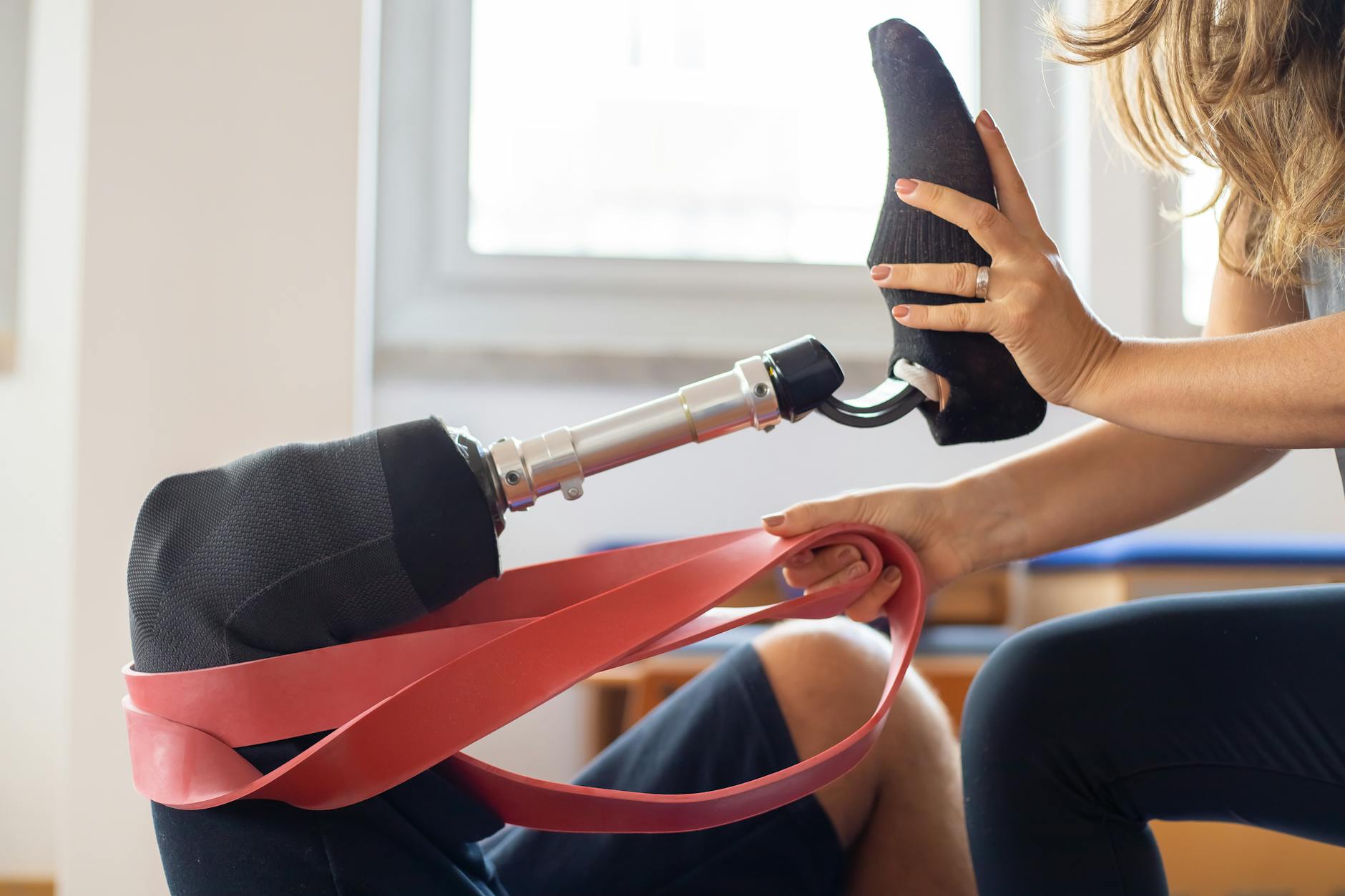
Current active research areas recruiting physical therapist focus groups include wearable sensor and monitoring technology, automated rehabilitation systems, telehealth and remote monitoring platforms, and mobility assistance devices. Wearable sensor studies, such as those evaluating Motion Tape fabric-based sensors for clinical pain management, specifically recruit licensed therapists to assess clinical feasibility. Stroke rehabilitation research has recently conducted multiple focus groups examining wearable monitoring technology for lower extremity tracking, addressing both technical performance and clinical integration questions. Automated rehabilitation systems represent another major category, with researchers using the Technology Acceptance Model to understand how physical therapists perceive new wearable rehabilitation technology, what factors influence their willingness to adopt new tools, and what barriers might prevent clinical implementation.
These studies often provide equipment samples or prototypes for hands-on evaluation during focus group sessions, moving beyond theoretical discussion into practical assessment of usability. An important limitation in current research availability: while rehabilitation equipment focus group research is actively conducted at universities and companies developing new technology, not all studies recruit through public clinical trial databases. Many studies are conducted directly through professional networks, university physical therapy departments, or industry partnerships. This means focusing only on ClinicalTrials.gov may miss available opportunities. Checking university physical therapy program websites, rehabilitation research centers, and equipment manufacturer websites directly may reveal additional study opportunities.
How to Find Physical Therapist Focus Group Studies
Begin your search on ClinicalTrials.gov using search terms like “focus group,” “physical therapy,” “rehabilitation equipment,” and “wearable technology.” Filter by recruitment status to identify actively recruiting studies. Many university-based research centers post studies on their websites or department research opportunity pages, so contacting physical therapy departments at major research universities directly can reveal studies not yet posted to national databases. Equipment manufacturers including major medical device companies and emerging rehabilitation tech startups often recruit focus groups through professional organizations, direct outreach to clinics, or specialized research recruiting platforms focused on healthcare professionals. LinkedIn and professional physical therapy associations (APTA) sometimes circulate research recruiting calls.
Some researchers identify qualified participants through published literature in rehabilitation journals, then contact clinicians directly about participation opportunities. A practical tradeoff: actively marketed focus group studies posted to major databases tend to fill slots quickly, while studies recruited through direct outreach or professional networks may have more flexible timelines and potentially better compensation negotiation. However, direct recruitment opportunities require more proactive networking and may be geographically limited. If you’re in a major research hub (university towns, large cities), you’ll likely have more opportunities than therapists in rural areas.
What to Expect During Participation and Potential Challenges
Focus group sessions typically begin with informed consent and researcher introduction of study objectives. Participants review equipment, test features, and discuss their observations in facilitated discussion format. The researcher guides conversation using predetermined questions but allows for organic discussion and unexpected insights to emerge. Sessions are usually recorded (video or audio) for research analysis purposes. You’ll be asked to sign additional consent forms for recording and data use. A significant consideration: researchers may ask you to evaluate equipment under idealized conditions that don’t reflect your actual clinical environment.
A rehabilitation device might seem functional in a quiet research setting but prove impractical in a busy clinic with limited space and high patient volume. Being transparent about these real-world constraints during your focus group contribution provides valuable insights, but manufacturers don’t always implement feedback addressing logistical barriers if implementation costs are high. Participant confidentiality varies by study. Some research ensures anonymity in publications and presentations, while others may identify you as a clinical advisor. Clarify confidentiality terms before participation, especially if the research involves evaluating competitors’ products or if you have financial relationships with equipment manufacturers. Additionally, focus group data is typically owned by the research team or company funding the study—you won’t retain ownership of ideas you contribute or receive royalties if product modifications are implemented based on your feedback.

Qualifications and When You’re a Good Fit
Most focus group studies require active licensure as a physical therapist and minimum clinical experience, often 2-5 years for general studies or 5+ years for specialized equipment (neurological rehab, orthopedic, sports medicine). Some studies target specific practice settings (outpatient clinics, hospital rehab, skilled nursing facilities) or specialties (pediatric, geriatric, post-stroke care). Having hands-on experience with rehabilitation equipment, wearable technology, or telehealth platforms makes you a stronger candidate for specialized focus groups.
If you work in a clinical setting using cutting-edge equipment or have published research, include this background when applying for studies. Researchers prioritize participants who can speak to both technical features and clinical workflow integration. You don’t need to be a researcher yourself, but demonstrating evidence-based practice orientation and willingness to engage critically with new technology strengthens your candidacy.
The Future of Rehabilitation Technology Research
Rehabilitation equipment research is accelerating as wearable sensors, artificial intelligence, and remote monitoring capabilities advance. The trend toward remote patient monitoring and telehealth-integrated rehabilitation systems means future focus groups will likely address integration with electronic health records, data security, reimbursement compatibility, and long-distance clinical decision-making. Physical therapist focus group participation will remain essential as this technology becomes more complex and clinically integrated.
Investment in rehabilitation technology has increased substantially from venture capital and medical device companies, suggesting more focus group studies will become available over the next 2-3 years. However, compensation may not increase proportionally unless recruitment becomes more competitive. Therapists who establish relationships with research teams early and maintain visibility in research networks may find more lucrative opportunities and greater flexibility in study selection.
Conclusion
Focus group participation for rehabilitation equipment studies offers physical therapists the opportunity to influence product development, contribute to research, and earn supplemental income, though specific current studies offering $150-$350 compensation for May 2026 require direct searching beyond major public databases. Active research is ongoing in wearable sensors, stroke rehabilitation monitoring, and automated rehabilitation systems, with recruitment often happening through university research centers, equipment manufacturers, and professional networks rather than exclusively through ClinicalTrials.gov.
To pursue these opportunities, start by checking ClinicalTrials.gov and university physical therapy research websites, then contact research centers and rehabilitation technology companies directly. Clarify compensation, time requirements, confidentiality terms, and data ownership before committing. Your clinical experience and insights are valuable to researchers—negotiate thoughtfully, understand what you’re contributing, and ensure the time commitment aligns with your career goals and practice schedule.



