
Focus groups and clinical trials for eczema (atopic dermatitis) are actively recruiting participants in 2026, with compensation ranging from smaller amounts for brief focus groups up to $2,400 for comprehensive clinical studies. If you have moderate-to-severe eczema, you may qualify for paid research participation at major universities including UCSF, UCSD, UCLA, and Indiana University. The key advantage is that all study-related medical care—screenings, testing, and dermatology appointments—is provided at no cost to you, which means you’re getting free professional evaluation while earning money for your time and travel.
The title references $75-$300, which typically applies to shorter focus group sessions where researchers gather your feedback for 1-2 hours. However, longer clinical trials testing new medications like abrocitinib or tralokinumab offer significantly higher compensation because they require multiple visits, detailed monitoring, and your commitment over weeks or months. Before you apply, you should understand the difference between a brief focus group and a full clinical trial, since the time investment and earning potential vary dramatically.
Table of Contents
- What Are Eczema Focus Groups and Clinical Trials?
- Current 2026 Eczema Research Opportunities at Major Universities
- How Much Do Eczema Studies Actually Pay?
- What’s Your Time and Travel Commitment?
- Eligibility Requirements and Common Concerns
- Recent Findings and Treatment Developments From Eczema Research
- How to Find and Apply for Eczema Studies
- Conclusion
What Are Eczema Focus Groups and Clinical Trials?
Eczema focus groups and clinical research studies fall into two main categories. Focus groups are qualitative research sessions where 8-30 people discuss their experiences with eczema, treatment preferences, and daily challenges. Researchers use this feedback to understand what matters most to patients—for example, recent pediatric eczema focus groups with 32 participants (both children with eczema and their caregivers) explored how treatment decisions affect family life and what side effects concern parents most. These sessions typically last 1-3 hours and pay $50-$300 depending on the session length and research firm.
Clinical trials, by contrast, are longer-term studies testing new medications or treatment approaches. A typical eczema clinical trial requires 8-15 visits over 26-40 weeks, with some visits conducted in-person at a research site and others by phone. Participants receive the study medication or placebo, undergo skin assessments at each visit, and sometimes provide blood samples. The trade-off is clear: clinical trials demand more time and commitment, but they compensate participants with $1,200-$2,400 in total compensation, plus all medical care is covered at no cost.
Current 2026 Eczema Research Opportunities at Major Universities
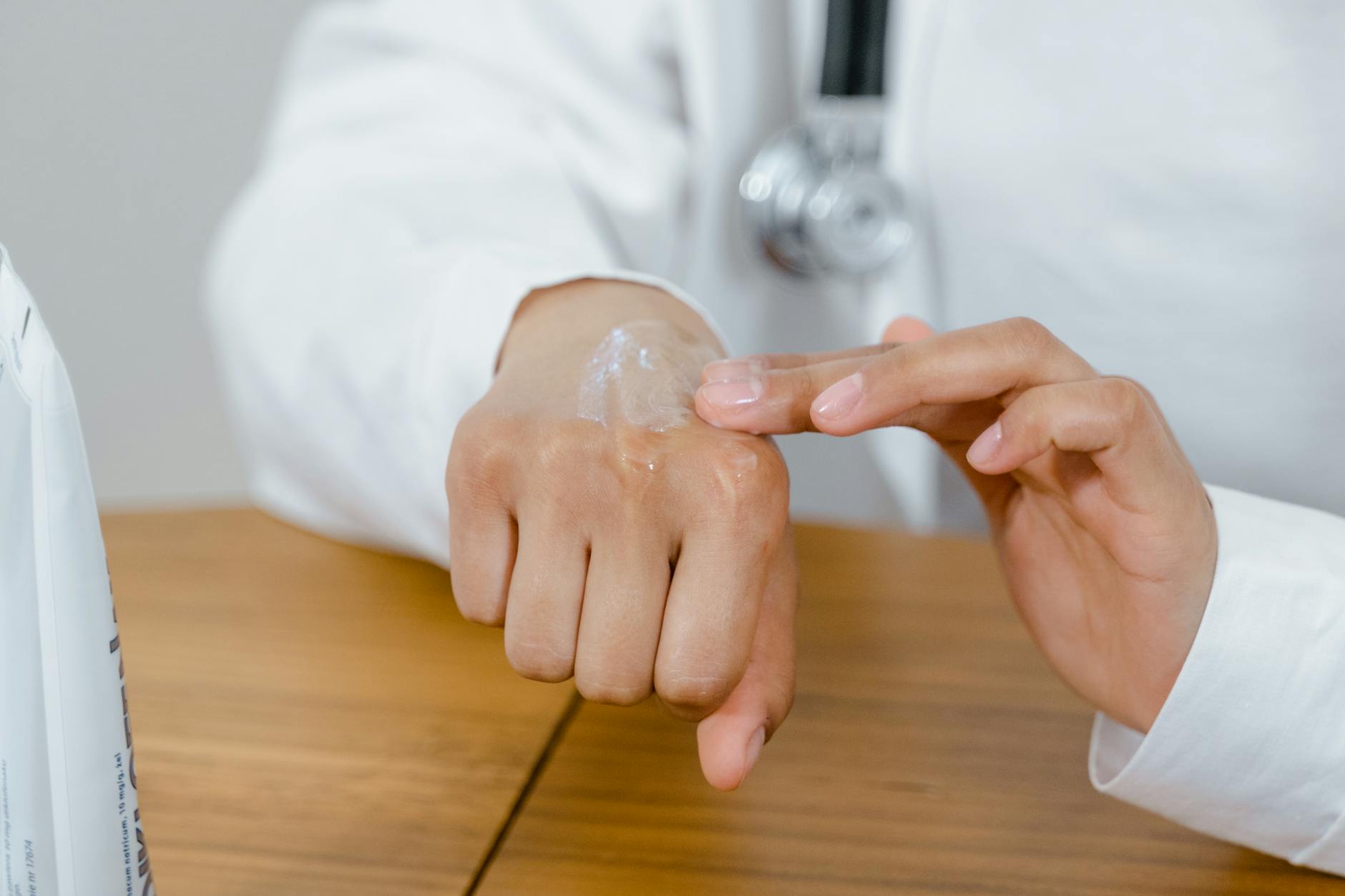
Major academic medical centers are actively recruiting for eczema studies right now. UCSF, UCSD, UCLA, and indiana University all have open eczema and atopic dermatitis trials recruiting adults and children. In 2026, researchers are testing abrocitinib for children ages 6 to under 12 with moderate-to-severe eczema, and tralokinumab for adults with moderate-to-severe atopic hand eczema. This represents significant progress—hand eczema is notoriously difficult to treat, so a study specifically testing a new medication for that indication indicates dermatologists are targeting real unmet needs.
One important limitation to know: eligibility requirements are strict. Most clinical trials require confirmed diagnosis of moderate-to-severe eczema, meaning your dermatologist’s documentation or study-site screening must confirm disease severity. If you have mild eczema, you likely won’t qualify for clinical trials, though you might still participate in focus groups. Additionally, if you’re currently taking other systemic eczema medications like dupilumab, you may be excluded from trials testing competing drugs. Always check the specific inclusion/exclusion criteria before assuming you qualify.
How Much Do Eczema Studies Actually Pay?
Compensation for eczema research depends heavily on study type and duration. A one-hour focus group might pay $75-$150. A two-hour focus group focused on treatment preferences could pay $200-$300. In contrast, clinical trials offer $1,200-$2,400 in total compensation because participants visit the research site 8-15 times and provide multiple skin assessments.
For example, a 26-week study with 12 visits might distribute compensation as $100-$150 per visit, plus money for travel, parking, or childcare—potentially totaling $1,800-$2,400 by the end. The catch is that compensation varies by research location and study phase. University-affiliated studies (like UCSF or UCSD) may offer slightly lower payment than private clinical research organizations, but they often provide better follow-up care and are more transparent about data usage. Also, longer trials sometimes front-load compensation or back-load it, so you won’t receive all the money at once. Always ask the study coordinator for a detailed compensation schedule before enrolling—this prevents surprise when you expected different payment timing.

What’s Your Time and Travel Commitment?
Most clinical trials require a serious commitment. A typical 26-week eczema study might ask for 12 visits: a baseline visit, 10 study-site visits every 2-3 weeks, and a final visit. Some studies add phone-based visits to reduce total in-person trips—a 40-week study might include only 15 total visits (12 in-person, 3 phone-based). Each visit typically lasts 1-2 hours: skin assessment, vital signs, questionnaires about itch and sleep quality, and potentially blood work. Travel is a real factor.
If you live 30 minutes from the research site, each visit costs gas or transit time. If you live 2+ hours away, some studies offer travel reimbursement or local hotels, but not all. A helpful comparison: a 26-week study with 12 visits might total 24-36 hours of your time plus travel. At $2,000 total compensation, that’s roughly $55-$85 per hour of actual time—more than minimum wage but less than skilled work. If travel is difficult, prioritize studies at locations convenient to you, or look for studies offering telehealth follow-ups.
Eligibility Requirements and Common Concerns
Before you apply, be aware of standard eligibility criteria. Most clinical trials require you to be age 18+ (though some test drugs in children ages 6+), have diagnosed moderate-to-severe eczema confirmed by a dermatologist, and avoid starting new systemic medications during the study. If you’re pregnant, breastfeeding, or have certain medical conditions (liver disease, active infection), you’ll likely be excluded. Additionally, some trials require you to have failed treatment with standard topical steroids or calcineurin inhibitors, meaning your eczema hasn’t responded adequately to first-line therapy. A common concern is side effects.
All clinical trials carry risk—new medications haven’t been tested on millions of people yet. Study coordinators must disclose known side effects and monitor you for adverse events. The upside is that you’ll receive close medical supervision and any side effects you experience will be documented and reported to regulators. Another concern is privacy: your skin condition and medical data will be recorded. Be sure to review the study’s informed consent form and ask about data storage, how long records are kept, and who has access.
Recent Findings and Treatment Developments From Eczema Research
Recent research has revealed important insights about what eczema patients actually want from treatment. One qualitative study involving 20 adult atopic dermatitis patients in focus groups found that patients care not just about clearing their skin, but about freedom from itch (especially at night, which disrupts sleep), durability of treatment, and minimal side effects. This insight directly shaped how newer drugs like abrocitinib and tralokinumab are being tested—researchers now measure itch and sleep quality alongside traditional skin scores.
These focus group findings have real-world impact. The 32-person pediatric focus group (children and caregivers) identified that parents worry about systemic medication side effects more than disease severity, which influences how new pediatric drugs are being marketed and prescribed. If you participate in an eczema focus group, your feedback contributes to this body of knowledge, even if you’re not directly tested on a new medication.
How to Find and Apply for Eczema Studies
Finding eczema studies is straightforward. Start with ClinicalTrials.gov, filter by “atopic dermatitis” or “eczema” and your location, and note which studies are actively recruiting. Major academic centers (UCSF, UCSD, UCLA, Indiana University) maintain their own clinical trial websites where you can see open studies and apply directly. You can also contact your dermatologist—they often know about local studies and may refer patients directly.
When you apply, expect the process to take 2-4 weeks. Initial phone screening confirms you meet basic criteria (age, disease severity). If you pass screening, you’ll visit the research site for an in-person screening visit where a study physician confirms your eczema diagnosis and checks your overall health. Once enrolled, your first visit includes a baseline assessment and medication instructions. Be proactive: ask questions about compensation timing, what to expect at each visit, and how to contact the study team if problems arise.
Conclusion
Eczema focus groups and clinical trials offer legitimate paid research opportunities, with compensation ranging from $75-$300 for brief focus groups to $1,200-$2,400 for multi-month clinical trials. The real value is that all dermatology care is provided at no cost, giving you access to expert evaluation and potentially new medications before they’re available to the public. In 2026, major universities are actively testing abrocitinib for children and tralokinumab for adult hand eczema, expanding options for people who haven’t responded to existing treatments.
Before you apply, honestly assess your time availability, confirm you have moderate-to-severe eczema, and review eligibility criteria. Start your search at ClinicalTrials.gov or directly contact UCSF, UCSD, UCLA, or Indiana University clinical trial programs. Your participation advances dermatology research while you earn money and receive free expert care—a genuine win-win if the study’s location and timeline fit your life.



