
Wine tasting focus groups typically pay between $100 and $250 per session, with some studies offering complimentary wine bottles as additional compensation. These paid research opportunities allow wine consumers and enthusiasts to participate in structured tastings while providing valuable feedback to wineries, beverage companies, and market researchers. For example, Wine Opinions regularly conducts moderated wine tastings as part of in-person focus groups in major U.S.
markets, combining tastings with broader consumer research studies that fit within these compensation ranges. The appeal of wine tasting focus groups extends beyond the monetary reward. Participants gain early access to new wine products, educational experiences with industry professionals, and the satisfaction of influencing product development decisions. However, these studies are not constantly available, and compensation varies significantly based on study length, location, and research scope.
Table of Contents
- How Much Do Wine Tasting Focus Groups Actually Pay?
- What to Expect During Wine Tasting Focus Groups
- Finding Wine Tasting Studies in Your Area
- Qualification Requirements and Time Commitment
- Realistic Expectations and Potential Downsides
- The Role of Free Wine in Research Studies
- The Wine Industry’s Focus on Consumer Feedback
- Conclusion
How Much Do Wine Tasting Focus Groups Actually Pay?
focus group compensation broadly ranges from $50 to $400 per session, with an average hourly rate around $150 for standard participation. Wine tasting studies typically fall in the middle-to-upper portion of this range because they require specialized expertise, controlled environments, and longer sessions. In-person focus groups specifically command higher rates—between $75 and $250 per session—with shorter 60-minute tastings paying around $75 to $150, while 90-minute sessions tend toward $100 to $200.
Some platforms like Probe offer compensation ranging from $100 to $275 for both in-person and online studies, which may include wine research opportunities. The $100 to $250 range cited in wine tasting studies reflects the value researchers place on detailed sensory feedback and the higher logistics costs of in-person tastings. This compensation structure is significantly higher than typical online surveys, which might pay $5 to $50, because wine tasting requires your physical presence, your time in a controlled setting, and your specialized palate feedback. Some studies supplement cash payment with free bottles, particularly when the wine is newly released or premium, creating a tangible additional benefit beyond the hourly payment.
What to Expect During Wine Tasting Focus Groups
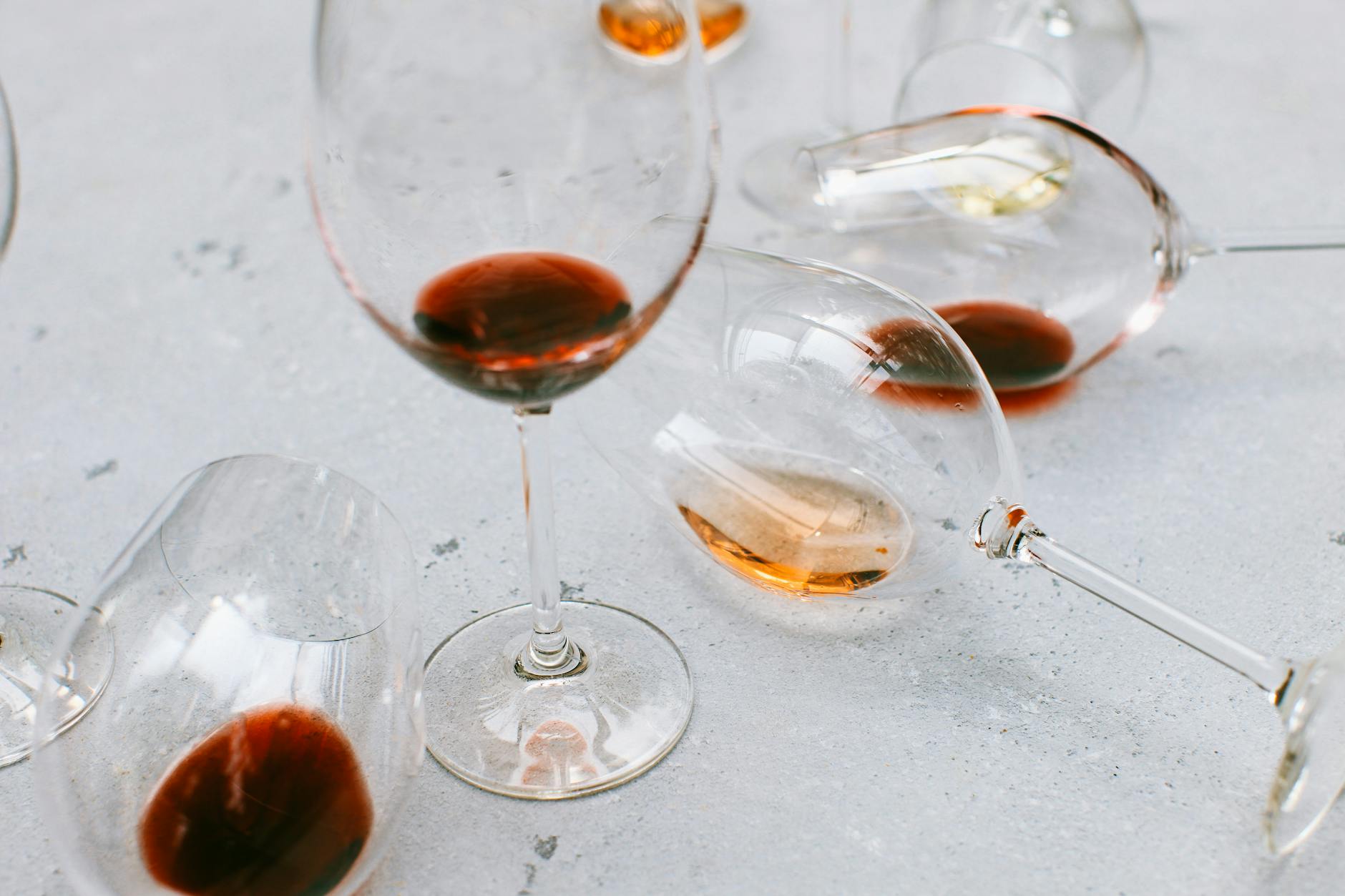
Wine tasting focus groups are highly structured research events where participants taste and evaluate multiple wines while providing detailed feedback. A typical session begins with demographic and preference screening, followed by blind tastings where participants evaluate wines without knowing brand names or origins. The moderator guides discussions about taste, aroma, mouthfeel, and purchase intent, while researchers document responses through surveys, rating scales, and sometimes video recordings. This format ensures consistent data collection across participants and helps companies understand how consumers perceive their products.
The professional wine market research industry combines both online surveys and in-person tastings to develop comprehensive consumer insights. However, there are important limitations to understand. Not every wine study will offer the premium compensation you’re seeking—some may pay significantly less or offer only product samples. Additionally, these studies often require you to commit to specific dates and times with little flexibility, and the results of your feedback may take months or years to translate into actual product changes. You may also be asked to sign non-disclosure agreements, preventing you from discussing the wines being tested.
Finding Wine Tasting Studies in Your Area
Wine tasting focus groups are most commonly available in major metropolitan areas and wine-producing regions like California, Oregon, New York, and Washington. Wine Opinions specifically conducts research in multiple U.S. markets, and professional market research companies like Driver Research specialize in winery and vineyard studies that include tasting components. To find these opportunities, register with specialized focus group platforms that target wine studies, join market research panelist databases, and monitor websites of wine organizations and trade associations that occasionally promote consumer research initiatives.
Your location significantly impacts availability and compensation. Urban areas with higher populations typically have more frequent studies and higher pay rates because there’s greater demand for consumer insights. Rural or smaller wine regions may have fewer opportunities, but when studies do occur there, compensation might be higher due to lower participant availability. A realistic timeline for finding a wine tasting study ranges from several weeks to several months of active searching, depending on your location and how frequently companies need wine consumer feedback.
Qualification Requirements and Time Commitment
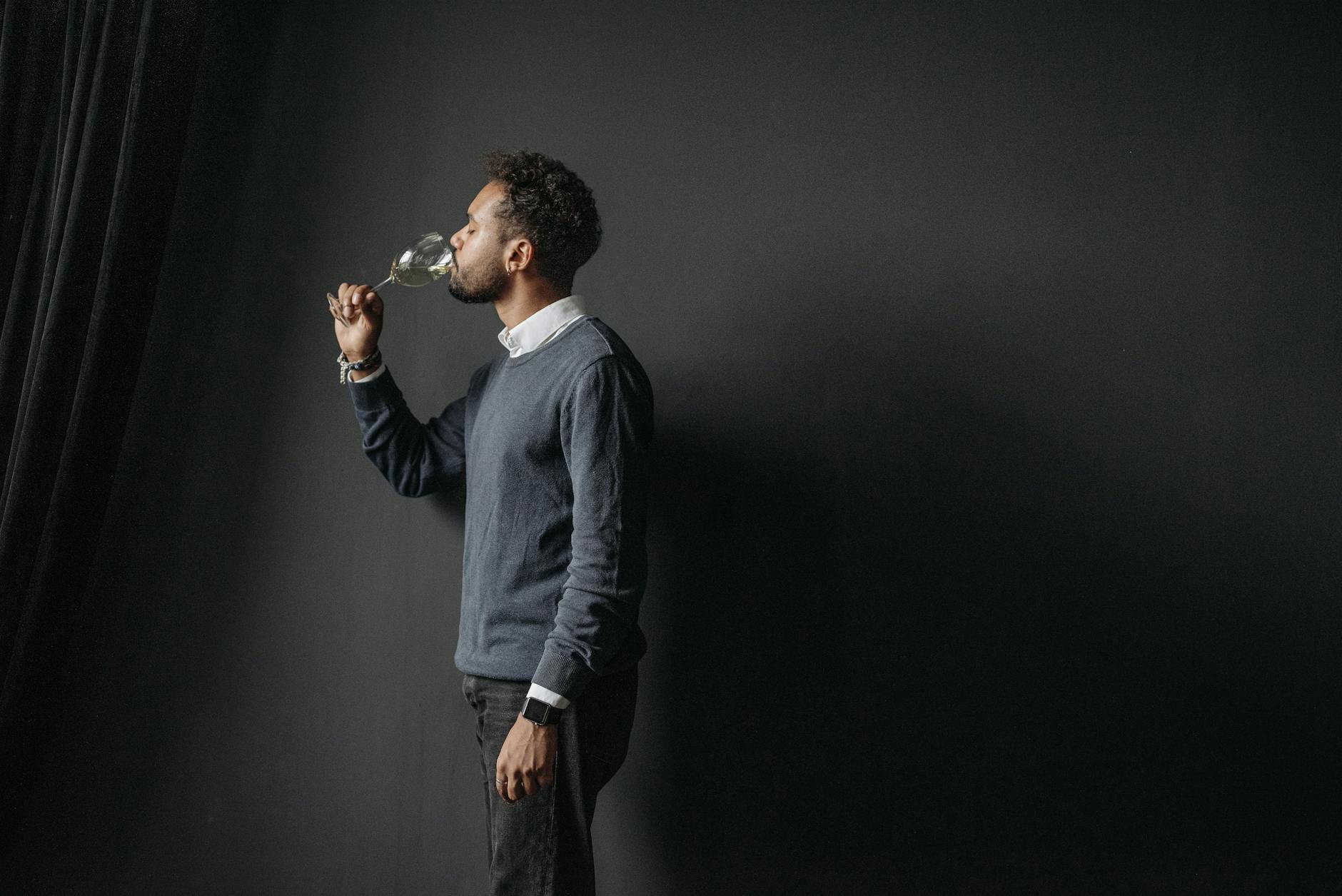
To participate in wine tasting focus groups, you’ll typically need to be at least 21 years old (required by law for alcohol studies) and willing to travel to an in-person location, often within a specific geographic area. Most companies screen participants based on wine consumption habits, asking about frequency of wine purchases, preferred types (red, white, rosé, sparkling), and price range preferences. Some studies seek only occasional wine drinkers, while others target enthusiasts or regular consumers. The screening process itself is usually quick, taking 5 to 15 minutes online or over the phone.
Time commitment extends beyond the actual tasting session. You’ll need to arrive early for check-in procedures (typically 15 minutes), complete pre-tasting surveys or questionnaires (10 to 20 minutes), participate in the tasting and discussion (60 to 90 minutes), and often complete follow-up surveys afterward (10 to 15 minutes). Total time commitment often reaches two to three hours for studies advertised as 60 to 90 minutes. Consider this when evaluating hourly compensation—if a study pays $150 but requires three hours total, your effective rate is $50 per hour rather than the advertised rate.
Realistic Expectations and Potential Downsides
While wine tasting studies sound appealing, the reality involves several challenges worth considering. First, these opportunities are sporadic and unpredictable. You might register with multiple platforms and participate in only one or two studies per year, making wine tasting focus groups unreliable as consistent income. Second, you may not qualify for studies even after registration—screening criteria are strict, and companies reject participants who don’t match their target demographics or preferences.
Third, compensation can vary dramatically depending on your answers to screening questions, meaning the advertised $100 to $250 range might not reflect what you actually earn. A significant limitation is that wine tasting studies often require you to be available on specific dates with minimal notice. You might receive an email about a study happening in three days, and if you can’t attend, that opportunity is gone. Additionally, some studies won’t offer the free bottles mentioned in the title—compensation may be cash-only, or bottles may be available only for specific wines tested. If you have a low alcohol tolerance, medication interactions with alcohol, or religious restrictions, these studies are not suitable regardless of compensation.

The Role of Free Wine in Research Studies
Free wine bottles are not standard in all wine tasting studies, though they are sometimes offered as supplementary compensation. When included, they’re typically wines being tested or samples from participating vineyards, adding perceived value beyond the cash payment. However, this benefit has practical limitations—you receive whatever wine the company is researching, not wines of your choosing.
A new release being tested might be exceptional, or it might be a lower-tier product meant for market expansion. The free bottles are also subject to local alcohol shipping laws, and depending on your state, you might not be able to take bottles home at all; instead, you’d consume them on-site or forfeit them. Some studies specifically highlight free wine as a draw for participants, suggesting it increases perceived value. However, savvy participants focus on the cash component, which is guaranteed, rather than relying on potential bottles, which may or may not be included.
The Wine Industry’s Focus on Consumer Feedback
The wine industry has increasingly recognized the value of structured consumer research, particularly focus groups that combine tasting feedback with detailed demographic information. Wineries use this data for product development, pricing strategies, and marketing messaging. As wine consumption patterns shift and younger consumers explore diverse wine regions and styles, market research companies continue investing in larger sample sizes and more detailed tasting studies.
This suggests that wine tasting focus group opportunities may expand in coming years, potentially offering more frequent opportunities and consistent compensation. The professionalization of wine market research means that participant recruitment is becoming more sophisticated and targeted. Companies are willing to pay higher rates for qualified participants because detailed sensory feedback directly influences product decisions worth thousands of dollars. For serious wine enthusiasts, this creates an emerging opportunity to monetize knowledge and passion in a structured, legitimate way.
Conclusion
Wine tasting focus groups offering $100 to $250 per session are real opportunities that exist within the broader focus group compensation landscape. The payment falls at the higher end of focus group rates because of the in-person requirement, the specialized nature of wine tasting, and the value of detailed sensory feedback.
While free wine bottles may supplement some studies, cash compensation is the primary incentive and the only guaranteed component. To pursue these opportunities, register with multiple market research platforms, focus on your geographic area’s availability, and set realistic expectations about frequency and payment variability. These studies work best as occasional supplementary income rather than reliable primary income, and your participation depends on matching specific qualification criteria that you cannot always control or predict.



