
Fragrance focus groups typically pay between $75 and $200 per session, making them one of the more lucrative market research opportunities available to everyday participants. In these sessions, you’ll be asked to smell and rate new scents under development—simple work that doesn’t require expertise, just honest feedback. A specific example: FindPaidFocusGroup.com currently offers a 30-minute online fragrance study paying $125, which breaks down to $250 per hour if you factor in travel time saved from remote participation.
The compensation varies depending on session length, format (in-person versus online), and the specific research firm conducting the study. Most standard two-hour in-person fragrance focus groups fall into the $100–$200 range, while shorter online sessions typically run $75–$150. The work itself is straightforward: you’ll evaluate fragrances, discuss your reactions, and complete surveys or rating forms—all skills you already have from everyday life.
Table of Contents
- How Do Fragrance Focus Groups Actually Work?
- What You Actually Get Paid—And When
- Why Fragrance Companies Invest in Focus Groups
- Where and How to Find Fragrance Focus Group Opportunities
- Red Flags, Screening, and What to Avoid
- The Logistics of In-Person Fragrance Sessions
- The Future of Fragrance Testing and Market Research
- Conclusion
How Do Fragrance Focus Groups Actually Work?
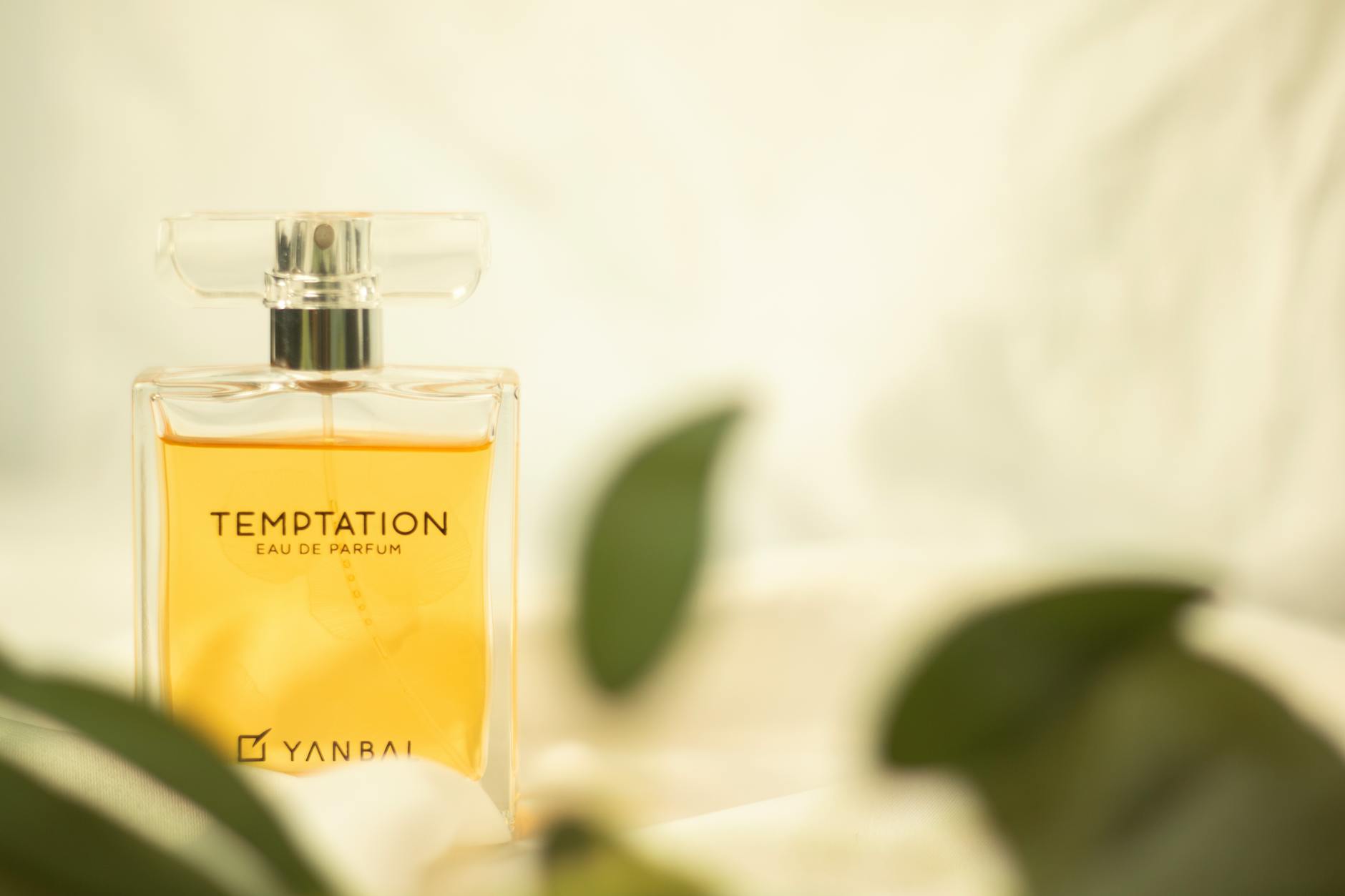
Fragrance focus groups operate in a structured environment where researchers guide participants through the evaluation of one or more scents. You might be shown a new perfume line before it hits store shelves, asked to compare it against competitor products, or evaluate how a fragrance evolves over time as you wear it. The sessions are typically conducted by professional market research firms working with fragrance companies, luxury brands, or niche perfume makers developing their next product line.
In a typical session, you’ll receive instructions on how to evaluate each scent—whether to smell from the bottle, on a fragrance strip, or on your skin. You’ll then fill out rating forms covering aspects like strength, appeal, longevity, and perceived value. Many sessions also include group discussion where participants share their honest reactions, which companies find invaluable for understanding how different demographics respond to new scents. Unlike surveys where you’re alone with a computer, these sessions benefit from the interaction and debate that only happens when multiple people evaluate the same product.
What You Actually Get Paid—And When
Most fragrance focus groups compensate participants via Visa Gift Card, processed within 2–3 weeks after the study concludes. This timeline is important because you won’t see your money immediately; the delay allows the research firm to compile results, verify participation, and complete their accounting. For a two-hour in-person session paying $150, for example, you’d typically wait until mid-month to see your gift card arrive in the mail or via email.
The $75–$200 range depends on several factors: session length (longer sessions pay more), format (in-person sessions often pay slightly more than online equivalents to account for travel time), and market conditions (premium fragrance research or studies requiring specific demographic backgrounds sometimes pay above the standard range). One important limitation: some research firms require you to provide a working email address and valid identification, and they may conduct background checks. Others screen out participants who’ve done too many focus groups in a short period, as they want fresh perspectives rather than professional test-takers.
Why Fragrance Companies Invest in Focus Groups
Fragrance is an intensely personal market where scent preference varies dramatically by age, gender, culture, and individual taste. Companies conduct focus groups to refine scent selection before investing millions in manufacturing, packaging, and marketing. A fragrance house might be deciding between three different top-note combinations, or testing whether a new scent appeals to their target demographic.
Without this feedback, a company could spend months and millions bringing a product to market that misses its intended audience. The research also helps companies understand price perception—how much consumers think a scent is worth, and whether the actual cost of production aligns with perceived value. Luxury fragrance brands especially rely on focus group feedback because a single scent choice can determine whether a launch succeeds or fails in a competitive market. This is why these studies are well-funded: the cost of a few thousand-dollar focus group sessions is negligible compared to the cost of launching a product that consumers don’t want.
Where and How to Find Fragrance Focus Group Opportunities
Finding fragrance focus groups requires patience and a willingness to register with multiple market research platforms. Many major research firms—like Focus Forward Market Research and 20/20 Research Focus Groups—maintain databases of active studies and allow you to filter by category, including fragrance and cosmetics research. These platforms let you create a profile, answer preliminary screening questions, and then get notified when fragrance studies open up in your area.
Online platforms like FindPaidFocusGroup.com also list specific fragrance opportunities, often with session length and compensation clearly displayed upfront. The downside is that competition can be intense for popular studies; being available quickly when a study opens and matching the demographic criteria (sometimes you need to be age 25–40, or have a preference for luxury brands) significantly improves your odds of getting selected. Some research firms prioritize repeat participants they’ve worked with before, so building a relationship by completing early studies can make subsequent opportunities easier to access.
Red Flags, Screening, and What to Avoid
Not all focus group opportunities are legitimate. A major red flag is being asked to pay upfront—whether as a “registration fee,” “screening fee,” or “background check fee.” Legitimate market research firms never charge participants. If a study claims to be offering unusually high compensation ($300+ for a one-hour session), or requires minimal effort with no screening process, proceed with skepticism. Scammers often use inflated compensation promises to build trust before attempting more elaborate frauds.
Another consideration: some research firms conduct pre-screening studies to qualify you for higher-paying opportunities. These screeners might be unpaid or pay only $5–$10, with the promise that if you qualify, you’ll be invited to a paid fragrance focus group worth $150+. This is legitimate practice, but only sign up if you’re willing to invest time in the free or low-paid screening without guarantee of future work. Some people find the screening process filters them out, and they never get selected for the paid study.

The Logistics of In-Person Fragrance Sessions
In-person fragrance focus groups typically require you to travel to a research facility or designated testing location, usually in a major metropolitan area. The session might be scheduled for a specific two-hour window on a weekday afternoon or evening, or sometimes on weekends. If you’re selected, you’ll receive confirmation with a specific address, parking information, and instructions—sometimes including a request not to wear fragrance that day so existing scents don’t interfere with your evaluation.
One practical advantage of in-person sessions: they typically pay more than online equivalents ($150–$200 versus $75–$125), and you can ask clarifying questions directly to the moderator. The downside is the time investment beyond the two hours—travel time, parking, waiting time before the session starts. If you live 45 minutes from the testing facility, a “two-hour” session becomes a four-hour commitment, which changes the effective hourly rate. This is why FindPaidFocusGroup.com’s online option (paying $125 for 30 minutes) appeals to many people despite paying less in absolute terms.
The Future of Fragrance Testing and Market Research
The fragrance industry is increasingly moving toward hybrid models that combine in-person and remote testing. Some companies now send fragrance samples to remote participants who evaluate them at home, then participate in a video call discussion with the research moderator. This approach reduces logistical costs for research firms, allowing them to recruit from a broader geographic area—though it may eventually put downward pressure on compensation if online participation becomes the standard.
Consumer profiling and sensory science are also becoming more sophisticated. Future fragrance studies may include biometric feedback (measuring skin response to scent), AI-assisted scent comparison, or augmented reality interfaces where you can visualize packaging before evaluating the fragrance inside. These innovations could increase compensation for more complex studies, or potentially reduce it if automation eventually reduces the need for large-scale group discussions.
Conclusion
Fragrance focus groups remain one of the more accessible and straightforward ways to earn $75–$200 for a few hours of work. You don’t need experience, credentials, or expertise—just the ability to honestly evaluate scents and communicate your reactions. The pay is reasonable relative to the effort, though the time-to-compensation ratio can be affected by location (in-person sessions require travel time) and delays (gift cards typically arrive within 2–3 weeks).
To get started, register with multiple market research platforms, create a complete profile so you match more studies, and be ready to respond quickly when fragrance opportunities are posted. Avoid upfront fees, be skeptical of unusually high promises, and remember that not every opportunity will result in a paid session—screening processes filter participants, and sometimes you simply won’t match the demographic criteria. For patience and persistence, fragrance focus groups can be a reliable part of paid research income.



