
Grocery inflation focus groups that pay $75 to $200 per session are legitimate paid research opportunities where companies and research firms gather consumer feedback on shopping habits, price sensitivity, and food purchasing decisions. These sessions typically last 60 to 90 minutes and bring together 8 to 12 participants to discuss real-world grocery shopping experiences in a moderated environment. If you’re selected to participate, you’ll be asked detailed questions about which stores you shop at, how inflation has changed your buying patterns, whether you’ve switched to discount retailers, and what factors influence your purchasing decisions—the exact issues that market researchers and grocery chains are studying right now as consumer behavior shifts dramatically under inflationary pressure.
The timing of these focus groups is directly tied to measurable changes in how Americans shop for food. Food-at-home prices were 1.9% higher in March 2026 compared to March 2025, and the USDA predicts a 2.4% increase across 2026. A weekly grocery bill that cost $200 in 2020 now runs approximately $265 today. These aren’t abstract statistics—they’re real budget pressures that focus group researchers want to understand from the consumer perspective, making your participation valuable enough to compensate at the rates offered.
Table of Contents
- What Do Grocery Inflation Focus Groups Actually Ask About?
- How Dramatically Have Consumer Shopping Habits Changed?
- What Strategies Are Consumers Actually Using to Save Money?
- How Much Do Focus Groups Pay and What Should You Expect?
- What Are the Hidden Challenges and Selection Bias Concerns?
- Who Are Researchers Targeting in These Studies?
- What Does the Future of Grocery Consumer Research Look Like?
- Conclusion
What Do Grocery Inflation Focus Groups Actually Ask About?
These focus groups center on consumer behavior shifts and emotional responses to rising food costs. Researchers want to know not just what you buy, but how inflation has forced you to change your shopping strategy. They’ll ask whether you’ve switched to discount stores like Aldi, Costco, or dollar stores; how you use coupons and deal-hunting strategies; and whether you’ve cut back on fresh produce or premium brands. The conversations often dig into which price increases surprised you most, what products you consider non-negotiable regardless of cost, and at what price point you’d switch to store brands or cheaper alternatives.
A typical session might include scenarios where moderators describe product price increases and ask how you’d respond. For example, researchers might present: “If your preferred cereal brand increased from $4.29 to $5.79, would you switch to store brand, buy less frequently, or stay loyal?” These hypothetical situations help companies understand price elasticity—how sensitive shoppers are to different price changes. The $75-$200 compensation reflects the value of your time and the detailed insights you provide about your actual shopping behavior and emotional decision-making process. Researchers conducting these focus groups represent multiple stakeholders: national grocery chains tracking competitor behavior, food manufacturers testing messaging about value and quality, market research firms selling insights to clients, and consumer advocacy organizations studying food insecurity trends. Each group approaches the conversation differently, but all are focused on understanding how inflation is reshaping grocery shopping in America.
How Dramatically Have Consumer Shopping Habits Changed?
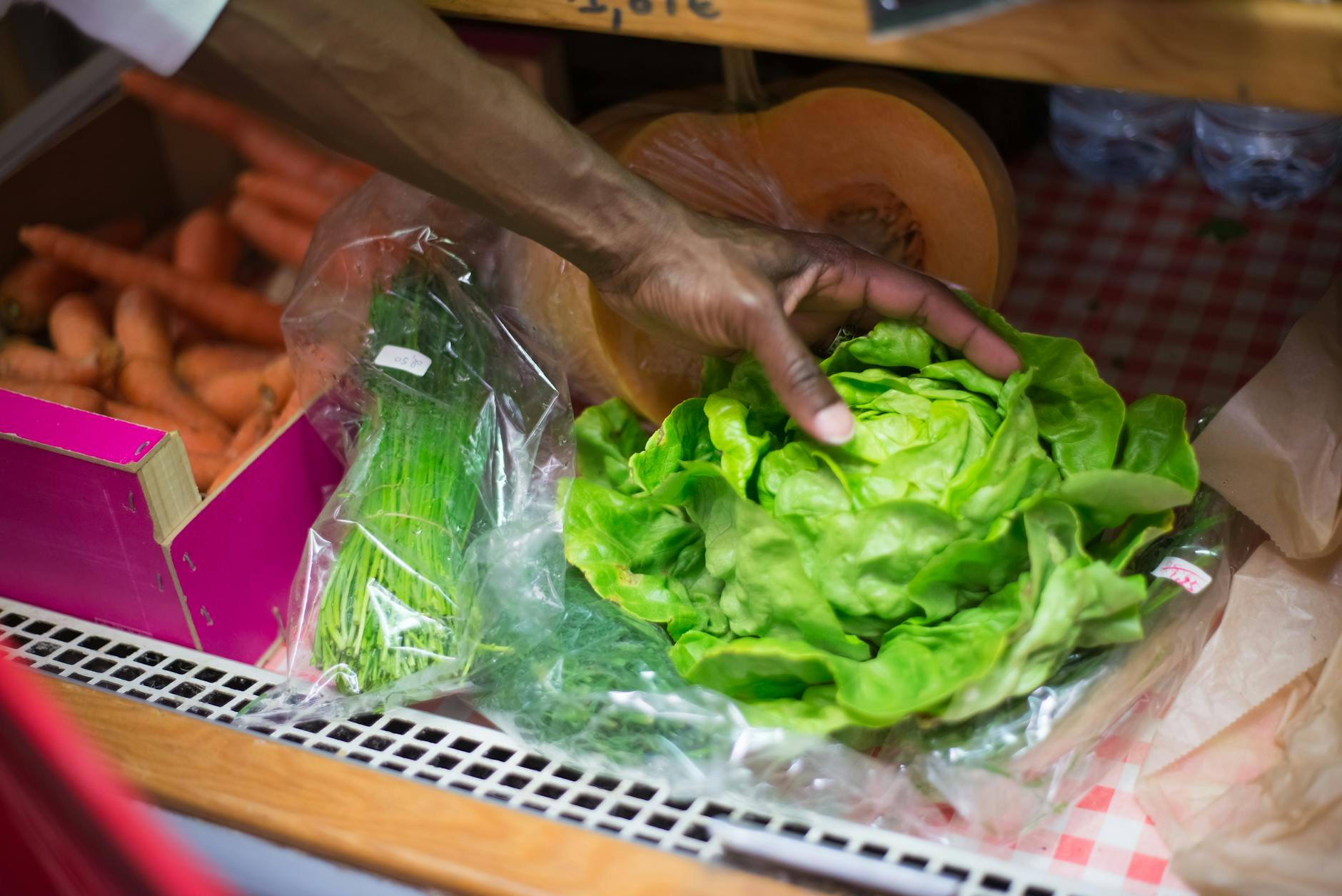
Consumer behavior shifts under grocery inflation have been substantial and measurable. According to recent market research, 43.2% of shoppers have somewhat reduced their grocery spending in the past six months, while 15.6% have made significant cuts. These aren’t marginal adjustments—they represent fundamental changes in what people buy and how often they shop. More striking, 75.2% of shoppers now prioritize stores offering the best prices above other factors like convenience or brand loyalty. This wholesale shift in shopping priorities is exactly what focus group researchers are trying to quantify and understand. The switch to discount retailers has been particularly dramatic.
Thirty-six percent of consumers have moved some or all of their grocery shopping to dollar stores and discount chains, citing lower prices as the primary reason. This represents a major market segmentation shift—consumers who previously shopped at conventional supermarkets or specialty stores have migrated to lower-cost formats. For researchers, this pattern is critical because it shows inflation isn’t just changing what people buy within a store; it’s changing which stores people visit. A limitation of focus groups is that they capture stated behavior (what people say they do) rather than actual shopping data, so researchers often cross-reference focus group findings with transaction data to verify these claims. Food anxiety has become a significant psychological dimension of grocery shopping. Seventy-three percent of millennials, 68% of Gen Z, and 73% of parents report experiencing food anxiety—a measurable stress response to food costs and availability concerns. This emotional dimension is harder to capture in surveys or transaction data, which is why focus groups are valuable for exploring the psychological experience behind shopping decisions. Researchers want to understand not just the what and when of shopping behavior, but the why and how it makes people feel.
What Strategies Are Consumers Actually Using to Save Money?
The data reveals specific money-saving tactics that dominate household grocery strategies. Creating shopping lists is used by 19% of strategic savers, using coupons by 19%, waiting for sales by 18%, and shopping multiple stores by 16%. These percentages show that no single strategy dominates—consumers are using multiple tactics simultaneously, layering approaches to maximize savings. Some households do all four, while others focus on one or two methods they find manageable. This behavioral diversity is exactly why focus groups work well for this topic: standardized survey questions can’t capture the specific combinations and priorities that individual households employ. Brand switching has accelerated dramatically as a money-saving approach. Many consumers who previously bought name brands have shifted partially or entirely to store brands and generic options.
The trigger point varies—some switch if a name brand increases more than 10%, while others accept any price difference. Some households maintain brand loyalty for specific products (cereal, peanut butter) while switching to generics for others (pasta, canned vegetables). Focus group discussions reveal these nuanced brand loyalty patterns that raw sales data can’t explain. For example, a parent might buy name-brand cereal because their child refuses the generic version, but happily switch to store-brand flour and sugar without any quality concerns. Frequency adjustments represent another key strategy. Instead of one large weekly shopping trip, some households have shifted to smaller, more frequent purchases to manage budget constraints and buy products before they increase in price further. Others have done the opposite—buying more shelf-stable items in bulk when prices are favorable. These storage and shopping frequency patterns matter to retailers planning inventory and to manufacturers forecasting demand, making them a central topic in research focus groups.
How Much Do Focus Groups Pay and What Should You Expect?
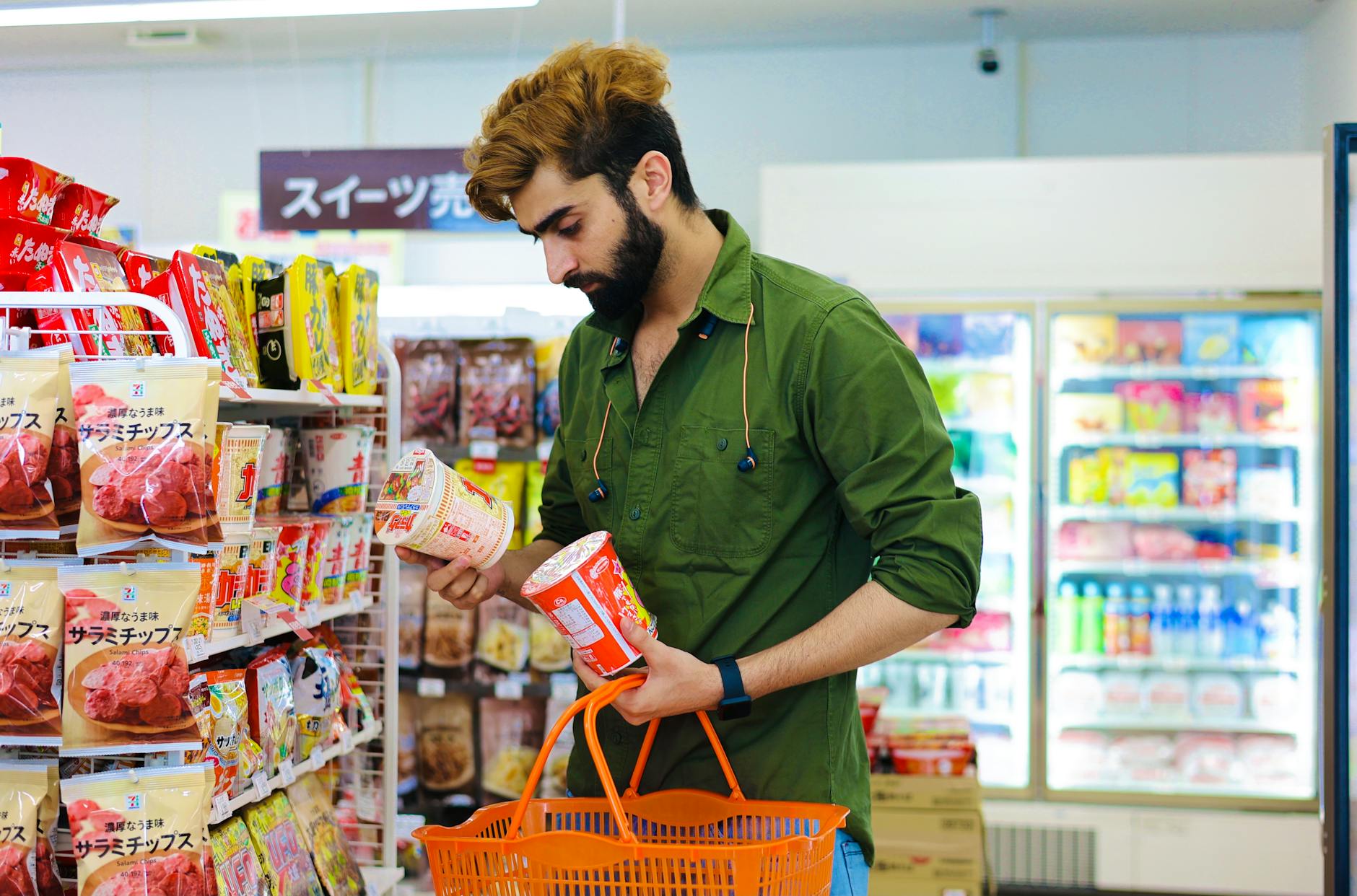
The $75-$200 compensation range reflects the session length, participant qualifications, and research budget. A basic 60-minute group discussion typically pays $75-$100, while longer sessions (90 minutes), specialized participant pools (high-income shoppers, large families, specific ethnic groups), or premium research firms may pay $150-$200 or higher. Some focus groups offer additional compensation if they record or video the session for later analysis. Understanding the payment structure matters because it helps you evaluate whether the time investment is worthwhile for your situation. Logistics also affect the offer. In-person focus groups conducted in major metropolitan areas tend to pay more than online sessions, partly because travel time and childcare logistics are more demanding.
Remote focus groups conducted via Zoom or similar platforms are becoming more common post-pandemic and typically pay $75-$125 for standard sessions. Some firms offer bonus payments if you complete post-session surveys or participate in follow-up groups. A practical consideration: compensation is usually provided within one to two weeks after the session, sometimes via check, ACH transfer, or gift card, so verify the payment method when you sign up. The comparison to other quick-pay research opportunities is useful context. Online surveys typically pay $1-$5 and take 10-15 minutes, making them efficient for micro-compensation. Focus groups pay significantly more per hour but require a larger time commitment and usually demand scheduling flexibility. If you have irregular availability or can’t commit to a specific two-hour time slot, focus groups may be less practical than survey panels that operate on your schedule.
What Are the Hidden Challenges and Selection Bias Concerns?
Focus group research has structural limitations that participants should understand. Researchers carefully screen and select participants to meet specific demographic criteria, which means you may be excluded even if you apply. The screening is intentional—a study on low-income grocery shopping won’t recruit high-income participants, for example. However, this selection process creates selection bias: the consumers who actually show up and participate may differ systematically from the broader population. Early retirees with flexible schedules are more likely to attend afternoon focus groups than working parents, potentially skewing results toward retiree perspectives on grocery shopping. Group dynamics present another limitation. In a focus group setting, louder or more confident participants tend to dominate the conversation, while quieter people may not fully express their views.
A strong personality advocating for one perspective can unconsciously influence other participants’ responses. Researchers are trained to manage this through facilitation techniques, but the problem remains structural to the group format. Additionally, some participants may give socially desirable answers rather than honest ones—for example, claiming they shop for healthier foods when they actually prioritize price first. An important warning: if you’re selected for a focus group, be prepared to be honest about your actual shopping behavior, not your aspirational behavior, as that’s what researchers are paying to understand. Selection based on quota sampling can also create blind spots. If a research firm needs to fill quotas for specific household income levels or family sizes, they may stop recruiting once quotas are met, meaning certain demographic groups are overrepresented while others are underrepresented. This is why large grocery corporations often run multiple focus groups across different regions and demographic segments—to compensate for the limitations of any single group session.

Who Are Researchers Targeting in These Studies?
Research firms conducting grocery focus groups typically target specific consumer segments based on their research questions. Large households with children are frequently sought because they spend more on groceries and experience different price sensitivity than single adults or empty nesters. High-traffic shoppers—people who visit grocery stores three or more times per week—are valuable because they have detailed knowledge of pricing and product changes. Parents managing household budgets on limited incomes are targeted for studies on budget-stretching strategies and essential versus discretionary food purchases. Demographic targeting also reflects business priorities.
Studies funded by grocery chains often target their core customer base to understand loyalty and switching risk. Discount chain studies actively recruit consumers who’ve recently switched from conventional supermarkets. Food manufacturer studies look for category-specific heavy users—cereal shoppers, frozen vegetable buyers, pasta consumers—to understand brand switching and price elasticity within specific product categories. If you participate in a focus group, you’ll likely be selected because your shopping profile or demographic characteristics matter to that specific research question. This precision targeting is why focus groups command higher compensation than broad surveys: you’re valuable specifically because you fit a particular profile.
What Does the Future of Grocery Consumer Research Look Like?
The future of grocery inflation research is shifting toward hybrid models combining focus groups with digital data tracking. Researchers increasingly want both the qualitative insights from focus group conversations and the actual transaction data from loyalty programs and credit card purchases. This hybrid approach helps verify what people say they do (focus group data) against what they actually do (transaction data), reducing the gap between stated and revealed preferences. However, this also means that detailed personal shopping data is becoming central to research, raising privacy considerations that participants should be aware of.
As inflation persists and consumer behavior continues evolving, expect more research funding flowing toward grocery shopping studies. Food anxiety, brand loyalty, and store switching are becoming standard topics in consumer research because they directly impact retailer and manufacturer profitability. For people willing to participate, this trend suggests more focus group opportunities will emerge, likely with continued compensation in the $75-$200 range. The research landscape suggests that grocery inflation and consumer behavior will remain central to market research for the foreseeable future, keeping demand for participant feedback relatively stable.
Conclusion
Grocery inflation focus groups offering $75-$200 compensation represent a real opportunity to earn payment for sharing your shopping insights during a time when consumer behavior is shifting dramatically. These sessions are valuable to researchers because grocery shopping decisions have become more complex and price-conscious, with 75.2% of consumers now prioritizing best prices and 43.2% cutting spending. Your actual experiences—how you’ve adapted to higher food costs, which stores you’ve switched to, and what strategies you’ve adopted—provide insights that surveys and transaction data alone cannot capture.
If you’re invited to participate, you’ll typically spend 60 to 90 minutes in a moderated discussion sharing your real shopping behavior and honest perspectives on price, quality, and store loyalty. The compensation reflects the value researchers place on your time and your insider perspective on how inflation has changed household food budgeting. To find these opportunities, search for focus group panels in your area, register with market research firms, and be prepared to answer screening questions honestly about your shopping habits—that’s the information that determines whether you’re a match for the specific research being conducted.



