
While specific focus groups paying $150–$400 for GLP-1 drug participation are not documented in current publicly available databases, legitimate paid research opportunities around GLP-1 medications do exist—primarily through clinical trials. Research institutions are actively recruiting participants for Phase 3 trials comparing semaglutide (Ozempic, Wegovy) and tirzepatide (Mounjaro) treatments, with documented compensation ranging from $325 to $475 for participant time and effort. The confusion often stems from conflating clinical trial compensation with the actual monthly cost of GLP-1 medications, which range from $150 to $450 for uninsured patients paying cash prices.
The reality is more nuanced than the headline suggests. While manufacturers promise $150-per-month pricing and Medicare beneficiaries pay $50 monthly under coverage programs, finding legitimate paid research participation requires knowing the difference between focus groups, clinical trials, and market research surveys. This guide explains what’s actually available, how compensation structures work, and how to verify legitimate opportunities before you invest your time.
Table of Contents
- What Are GLP-1 Clinical Trials and How Much Do They Pay?
- Understanding GLP-1 Drug Pricing and Its Connection to Research Compensation
- What Types of GLP-1 Research Are Actually Being Conducted?
- How to Find and Qualify for Legitimate Paid GLP-1 Studies
- Red Flags and Limitations in GLP-1 Research Participation
- Compensation Structures in Medical Research
- Future Outlook for GLP-1 Research Opportunities
- Conclusion
What Are GLP-1 Clinical Trials and How Much Do They Pay?
Clinical trials testing GLP-1 medications represent the most legitimate form of paid research participation in this space. Unlike focus groups—which typically involve discussion panels about products—clinical trials involve actual treatment under medical supervision, blood work, visits to research sites, and long-term monitoring. The verified example from PolicyLab’s clinical trial directory shows participants receiving $325–$475 in electronic payment for their time commitment, which typically includes initial screening visits, weekly or bi-weekly check-ins, and final assessments.
This compensation covers participant inconvenience, time off work, and travel costs rather than serving as a primary income source. The Phase 3 trials currently active in 2026 are comparing how semaglutide and tirzepatide perform in different patient populations—people with type 2 diabetes, those with cardiovascular concerns, and weight-management candidates. Compensation varies based on the trial’s length, number of visits, and invasiveness of procedures. A six-month trial requiring monthly clinic visits might pay differently than a longer-term study with quarterly visits. The key distinction: you’re not getting paid to discuss GLP-1 drugs in a focus group setting; you’re being compensated for participating as an actual research subject.
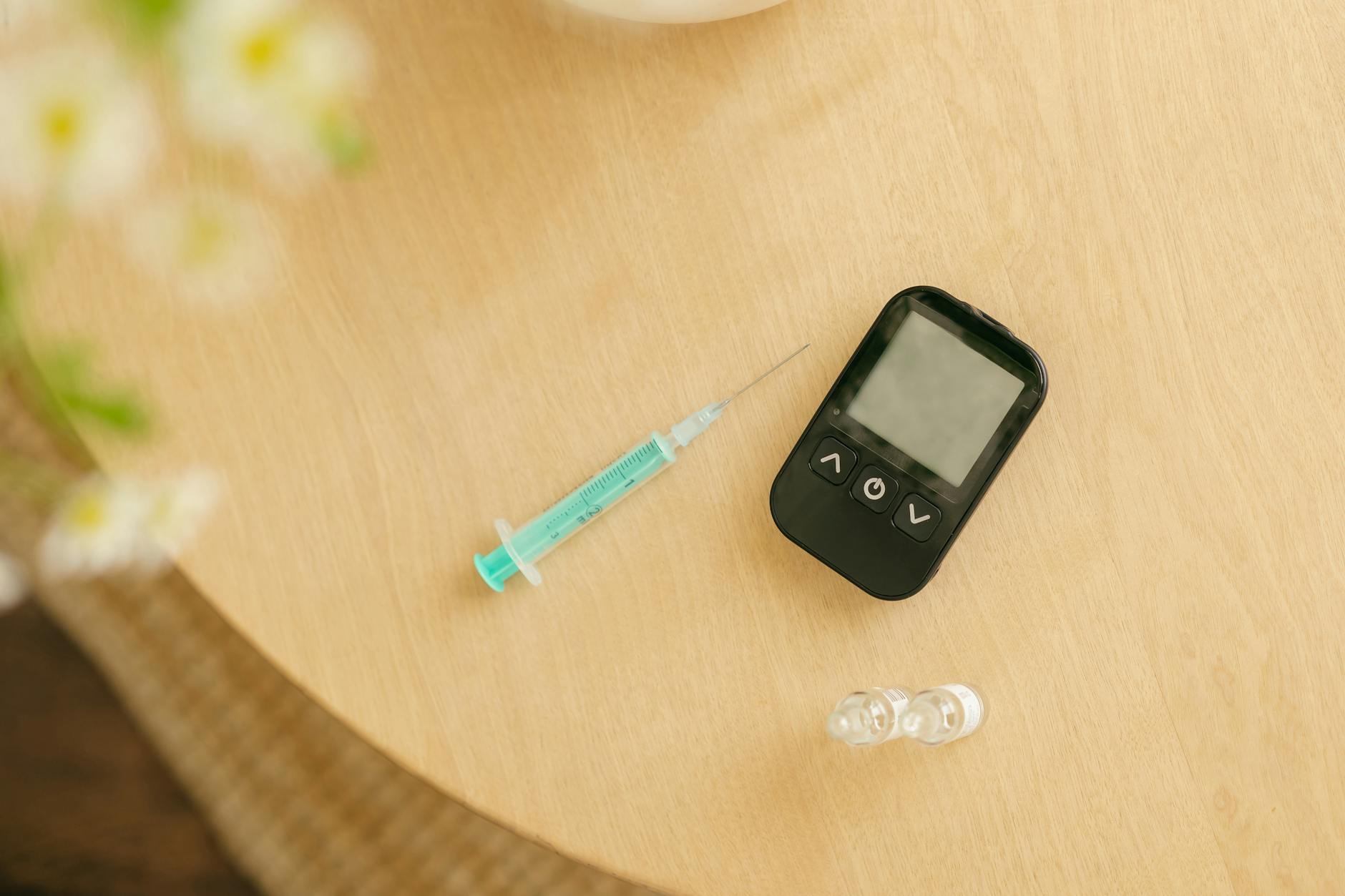
Understanding GLP-1 Drug Pricing and Its Connection to Research Compensation
The $150–$450 monthly cost range frequently cited in GLP-1 discussions refers to out-of-pocket medication prices, not focus group payments. For uninsured consumers, manufacturers like Novo Nordisk and Eli Lilly promised $150-per-month GLP-1 pills beginning in 2026 to improve accessibility. Medicare beneficiaries pay $50 monthly under the CMS GLP-1 Bridge program for semaglutide (Ozempic) or tirzepatide (Mounjaro).
These price points matter to researchers because they indicate market demand and help explain why pharmaceutical companies invest heavily in clinical trials—understanding real-world drug adoption at different price points is crucial for their business models. This pricing context sometimes gets misrepresented in recruiting materials. A listing mentioning “$150–$400” might actually be describing medication costs that trial participants would receive for free during the study period, not the compensation participants receive. This is a common source of confusion. Always clarify with recruiters whether any dollar amounts mentioned refer to study compensation (what you’re paid) versus medication costs (what the sponsor provides free to participants).
What Types of GLP-1 Research Are Actually Being Conducted?
The active GLP-1 research landscape in 2026 extends beyond traditional clinical trials. Emerging therapy studies are examining how these drugs work for long-COVID symptoms, a significant development that wasn’t part of the original FDA approvals. Pharmaceutical companies are also conducting comparative trials—directly testing semaglutide against tirzepatide to understand which works better for specific patient subgroups.
Additionally, real-world evidence studies track how people using these drugs in actual clinical practice experience outcomes, side effects, and adherence challenges. Market research and healthcare provider surveys represent another category of GLP-1-related paid opportunities, though these typically pay $25–$75 rather than $150–$400. These might involve online surveys about GLP-1 awareness, patient testimonial recordings, or provider interviews about prescribing patterns. Unlike clinical trials, these research activities carry no medical risk and require no site visits. If you’re seeking paid GLP-1 research participation, understanding which category each opportunity falls into—clinical trial, survey, or market research—determines both the time commitment and realistic compensation range.

How to Find and Qualify for Legitimate Paid GLP-1 Studies
The most reliable source for finding verified clinical trial opportunities is ClinicalTrials.gov, the NIH’s official registry. You can search by condition (diabetes, weight management, cardiovascular disease) and filter results by location and recruitment status. When you find a trial of interest, the listing provides contact information for the research site, eligibility criteria, and—importantly—what the study involves. This transparency allows you to assess whether the time commitment and medical requirements align with your situation before applying. Beyond ClinicalTrials.gov, university medical centers and hospital research departments often recruit locally for phase 2 and 3 trials.
Contacting the research coordinator directly at major institutions—especially those with obesity medicine or endocrinology programs—can reveal opportunities not yet widely advertised. A critical limitation: eligibility requirements are strict. You likely need to have type 2 diabetes, be within a certain BMI range, have stable blood pressure, pass blood work screening, and meet numerous other medical criteria. Expect the screening process to take 2–4 weeks before you’re approved to begin the actual trial. Many applicants are disqualified during this phase, so compensation is only paid to those who complete the full protocol.
Red Flags and Limitations in GLP-1 Research Participation
One major warning: if any opportunity promises $150–$400 for a “focus group” or “survey” about GLP-1 drugs without mentioning a research site, medical screening, or clinic visits, it’s likely not legitimate. Scams targeting people interested in GLP-1s exist, often asking for upfront payments, personal banking information, or unrealistic commitments. Legitimate clinical trials never charge participants; in fact, they cover travel costs and provide free medication. The FTC and FDA have both issued warnings about fraudulent GLP-1 trial recruitment, so verify directly with your local research institution rather than clicking links from unsolicited emails or social media ads.
Another significant limitation is the time investment required versus compensation offered. A clinical trial paying $325–$475 might require 3–6 months of participation, medical monitoring, and lifestyle restrictions (no other weight-loss medications, dietary requirements, exercise tracking). When you calculate the hourly value, it’s often less than minimum wage. However, the value proposition changes if you’re seeking access to cutting-edge medications before they’re widely available, want free medical monitoring, or are motivated by contributing to scientific advancement rather than income. Be honest with yourself about your primary motivation before committing.

Compensation Structures in Medical Research
Clinical trial compensation typically follows a tiered structure. Participants might receive a smaller payment ($50–$100) for completing the initial screening visit, regardless of whether they’re ultimately enrolled. Those accepted into the study receive the larger compensation ($325–$475 or more) distributed incrementally—sometimes $50 per visit, sometimes $100 upon study completion. Some trials use debit cards that funds are loaded onto; others issue checks. Understanding how and when you’ll be paid helps you assess whether the cash flow works for your situation, especially if you’re depending on this income for immediate expenses.
Market research and survey compensation in the GLP-1 space rarely reaches the $150–$400 range unless you’re participating in multiple opportunities or longer-term research panels. A single online survey about GLP-1 awareness might pay $10–$25. A recorded patient testimonial about using Ozempic could pay $50–$150 if the research company owns the video rights. Focus groups specifically about pharmaceutical brand perception or marketing materials typically pay $75–$200 per session, with sessions lasting 1.5–2 hours. These figures are more realistic for non-clinical-trial research than the title’s range suggests.
Future Outlook for GLP-1 Research Opportunities
As GLP-1 medications move from specialty to mainstream prescriptions, research demand is shifting. Clinical trials testing these drugs for new indications—cardiovascular disease, chronic kidney disease, neurodegenerative conditions—are expanding. This expansion means more opportunities for paid participation, though eligibility criteria become more specific (you might need to have multiple conditions or specific demographic characteristics).
The introduction of cheaper, accessible GLP-1s in 2026 also means real-world evidence studies are becoming increasingly valuable, which creates more survey and interview opportunities that pay in the $50–$150 range. Looking forward, expect more remote research opportunities in the GLP-1 space. Wearable-based studies, mobile app monitoring, and telehealth follow-ups reduce barriers to participation, which may broaden both opportunity availability and compensation structures. However, the core reality remains: truly high-paying research participation ($300+) typically requires direct medical involvement, not just sharing opinions about drugs.
Conclusion
The specific promise of “$150–$400 focus groups” for GLP-1 drug participation doesn’t appear in verified, current sources. However, legitimate paid research opportunities do exist through clinical trials (which offer $325–$475 in documented compensation) and market research activities (which typically pay $25–$200). The confusion often arises from mixing compensation amounts with medication costs, or from overstated recruiting claims. Before committing time or personal information to any GLP-1 research opportunity, verify it through ClinicalTrials.gov or directly with established research institutions.
If you’re genuinely interested in participating in GLP-1 research, approach it as a time commitment rather than an income source. Research the opportunity through official channels, understand the medical requirements and time commitment upfront, and be realistic about compensation relative to the effort involved. Your best bet is starting with ClinicalTrials.gov, identifying trials that match your location and health profile, and contacting the research coordinator directly. This approach protects you from scams while connecting you with legitimate opportunities that genuinely exist.



