
In-person mock juries typically pay more—often $50 to $300 per session compared to $20 to $75 for online versions—but require travel time and commitment to a specific location during business hours. Online mock juries offer flexibility and accessibility from home, though compensation reflects the lower time investment and convenience. A typical in-person mock jury for a product liability case in a major city might pay $200 for a four-hour session held downtown, while the same case studied online could compensate participants $40 for completing the same materials over two days at their own pace.
The real tradeoff goes beyond money. In-person sessions create a richer jury deliberation experience through face-to-face interaction and real-time group dynamics, which researchers value for understanding how jurors actually persuade each other. Online versions sacrifice this authenticity but eliminate commute time, childcare coordination, and the scheduling friction that prevents many eligible people from participating. Understanding which format suits you depends on whether you prioritize income per hour, schedule flexibility, or the depth of the research experience itself.
Table of Contents
- How Much Do In-Person Mock Juries Pay Versus Online Options?
- Time Commitment: Real Hours Versus Flexible Scheduling
- The Quality of Jury Deliberation: In-Person Dynamics Versus Online Limitations
- Which Format Fits Your Schedule and Earning Goals?
- Common Pitfalls: What Participants Often Miss
- Geographic and Demographic Factors in Compensation
- The Future of Mock Jury Research—Hybrid Models and Emerging Trends
- Conclusion
How Much Do In-Person Mock Juries Pay Versus Online Options?
In-person mock jury sessions command higher pay because they demand more of your time and presence. Research firms budget for participant compensation based on session length—a full-day in-person mock jury (6-8 hours) typically pays $150 to $400, while half-day sessions (3-4 hours) range from $75 to $200. Geographic location matters significantly: mock juries in major legal markets like New York, Los Angeles, and Chicago pay substantially more than those in smaller cities, sometimes 30-50% higher. A mock jury in Manhattan for a commercial dispute might pay $300 for four hours, while the same study in a mid-sized Midwestern city pays $150.
online mock juries follow a different compensation model because they compress time and eliminate logistical costs. Most online studies pay between $20 and $75 per session, with longer or more complex studies (like those requiring you to review extensive trial exhibits) reaching $100 to $150. However, online sessions are rarely more than 2-3 hours of active participation, and many allow you to work at your own pace over several days. An online patent case study might pay $50 for reviewing documents and answering questions over 48 hours, whereas the same content presented in a live in-person deliberation would pay $250 for a single session.

Time Commitment: Real Hours Versus Flexible Scheduling
In-person mock juries consume far more total time than the session itself suggests. You must factor in travel to the location, parking or transit, arrival buffer time, and the drive back—easily adding one to three hours to the stated session length. If you work outside your home, you’re likely taking paid time off or rearranging your schedule. A four-hour in-person mock jury in a downtown law firm might require eight hours total from your day when you account for a one-hour commute each way, a 15-minute buffer before start, and the session itself.
Online mock juries demand significantly less structured time but require consistent attention to detail. You typically have a deadline—often 48 hours or a week—to complete the study, but you control when you work on it. Some online studies are synchronous, requiring you to log in at a specific time (similar to in-person rigid scheduling), but most are asynchronous, letting you participate during your lunch break, evening, or weekend. One important limitation: online studies require reliable internet and a quiet environment for recorded video responses if the study includes those elements. If your internet connection is unreliable or you’re in a shared living space, you may struggle to complete online jury duty consistently.
The Quality of Jury Deliberation: In-Person Dynamics Versus Online Limitations
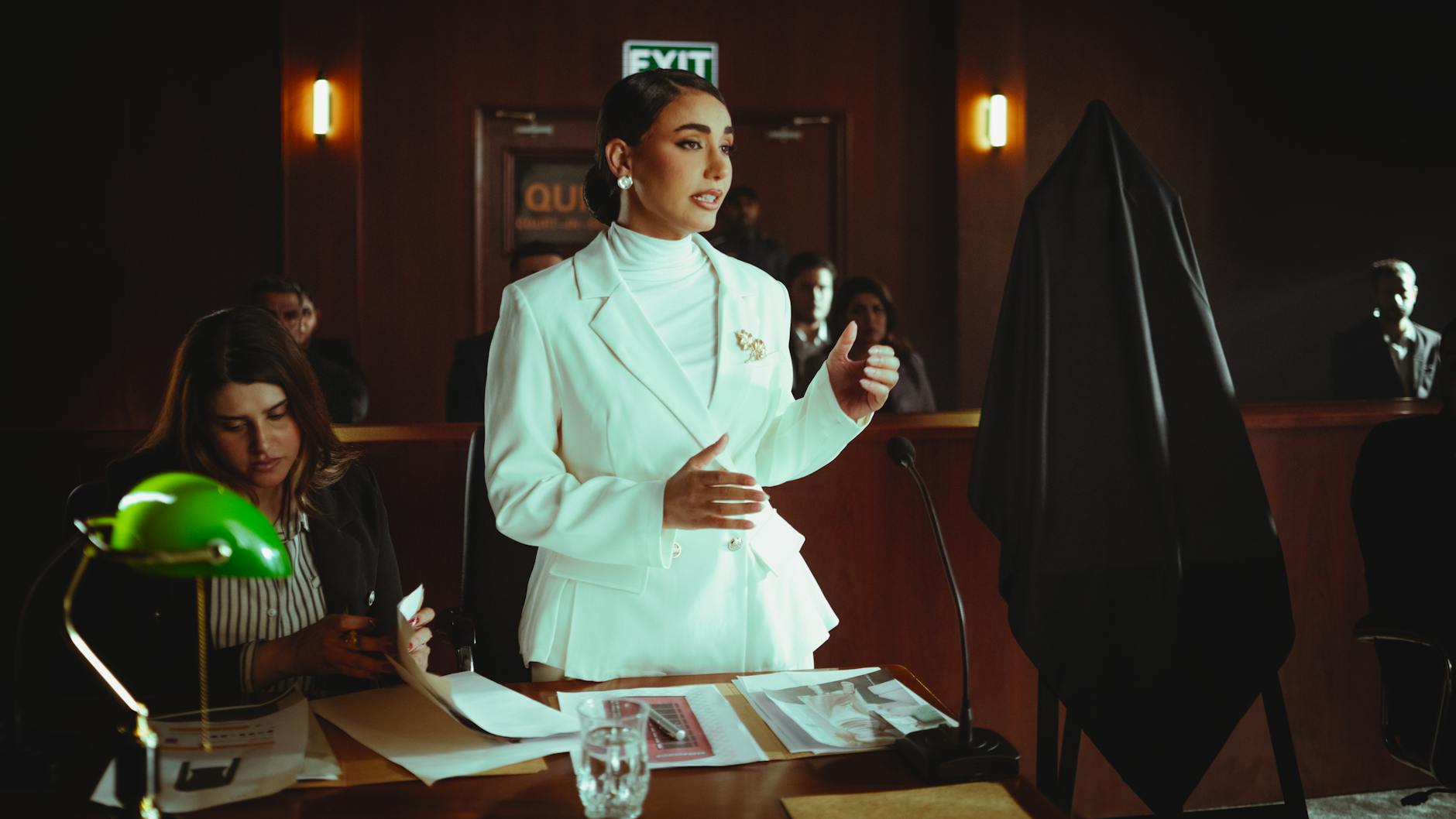
In-person mock juries create authentic deliberation because participants debate face-to-face, mirror jurors’ real decision-making under social pressure, and develop group consensus through live interaction. Lawyers and judges value this immersive experience—the hesitations, the persuasion attempts, the moments when a juror changes their mind mid-discussion. You might sit in a conference room with 11 other “jurors,” watch a shortened trial presentation, and then deliberate for two hours as a group. The back-and-forth, the personalities clashing, the slow consensus building—that’s gold for litigation teams trying to predict real jury behavior. Online mock juries sacrifice this deliberation quality. Most online studies present you with trial materials and ask you to record individual verdicts and written explanations, sometimes with limited interaction with other participants.
While some platforms include group chat or moderated discussion forums, it’s not the same as live deliberation. A significant limitation: online jurors can Google information about the case, look up legal definitions, or fact-check evidence—behaviors that would get them removed from a real courtroom. This means online mock juries can underestimate how much jurors will investigate claims or overestimate how strictly they’ll follow jury instructions. The tradeoff is cost versus realism. Attorneys get deeper insight from in-person sessions but pay substantially more for the privilege. Researchers can run larger online studies with more diverse participants for less money but accept lower quality deliberation data.
Which Format Fits Your Schedule and Earning Goals?
Choose in-person mock juries if you have flexible work arrangements, live near a major city with active litigation, or want to maximize hourly compensation. If you can easily drive to a law firm downtown and have a job that permits occasional absences, in-person sessions pay $25-$60 per hour—competitive with entry-level professional work. The trade-off: you must commit to a specific date and time weeks in advance, and cancellations can be difficult.
Choose online mock juries if you need full schedule control, work from home or in a remote position, or want to stack smaller payments alongside other work. Hourly, online compensation works out to $10-$50 per hour depending on study complexity, but you can participate around your existing commitments. If you freelance, care for dependents, or work irregular shifts, online mock juries integrate more smoothly into your life. A practical consideration: online studies often have minimum literacy and English proficiency requirements, and they’re less forgiving of rushed, low-quality responses than in-person moderators are.
Common Pitfalls: What Participants Often Miss
Many participants underestimate the preparation required for in-person mock juries. If the study involves a specific legal case, you may receive background materials to review before the session—sometimes 20-30 pages of case summaries, legal filings, or trial transcripts. Arriving unprepared means you’ll be the juror who slows down deliberations or gives uninformed verdicts, which researchers notice and future study invitations avoid. Some research firms track participant quality and use repeat participants, so your reputation in mock jury communities follows you.
Online mock jury studies have a higher disqualification rate than many participants realize. If your initial screening shows you’re familiar with the parties involved, work in a related industry, or have strong bias on the legal issue, you’ll be screened out and paid only a small completion fee ($5-$10). This happens frequently in studies about well-known companies or industries. A warning: some online platforms require video recording of your responses for verification; if you’re uncomfortable on camera or lack good lighting and a quiet background, you’ll struggle with these studies.

Geographic and Demographic Factors in Compensation
In-person mock jury opportunities are heavily concentrated in cities with major court systems and active litigation: New York, Los Angeles, Chicago, Houston, Atlanta, and San Francisco. If you live in one of these markets, you’ll find frequent opportunities and higher pay. If you live in a rural area or small city, in-person mock juries may be rare or nonexistent. Rural and smaller-city residents do have online mock jury access, but they miss the geographic premium that in-person studies offer.
Demographic diversity affects payment too. Research firms actively seek jurors from underrepresented backgrounds—particularly people of color, younger adults, and those from specific professions—and sometimes offer higher payment to encourage participation from these groups. An online study might pay $40 for a general population panel but offer $60-$75 for participants in a specific age range or demographic category. In-person sessions occasionally do the same, though more often the geographic location and case complexity drive the difference in pay.
The Future of Mock Jury Research—Hybrid Models and Emerging Trends
The mock jury industry is shifting toward hybrid formats that blend in-person authenticity with online accessibility. Some research firms now conduct deliberations with half the participants in-person and half on video call, or hold in-person opening sessions followed by online extended participation. These hybrid approaches aim to capture real deliberation while reducing logistical costs and increasing diversity of participants.
Virtual reality technology is beginning to appear in high-budget litigation research, offering an immersive online experience that approximates in-person deliberation without participants traveling. For job seekers, this means the in-person-versus-online decision may become less binary. As the industry matures, you’ll see more opportunities to participate in specialized research formats that pay differently and demand different time commitments. Compensation is likely to remain higher for in-person and hybrid work but may stabilize as online tools improve.
Conclusion
In-person mock juries pay significantly more—often three to five times higher hourly compensation—but demand real time commitment and geographic proximity to major legal markets. Online mock juries offer flexibility and accessibility at lower compensation rates, with the trade-off of less authentic deliberation and more risk of disqualification. Your choice depends on your location, schedule flexibility, and how you value your time.
If you want to maximize earnings and live in or near a major city, pursue in-person opportunities consistently—build your reputation with local research firms and you’ll get repeat invitations. If you value flexibility or live outside major legal markets, online mock juries provide reliable income without schedule disruption. Many participants do both, using online studies for predictable side income and taking in-person mock juries when scheduling aligns. Investigate research firms in your area, join reputable platforms, and read reviews from other participants before committing significant time to either format.



