Paid research studies come in at least seven distinct forms, and the pay differences between them are dramatic. A 20-minute online survey might net you a few dollars, while a Phase I clinical trial could pay $5,000 or more for a multi-day inpatient stay. In between, you’ll find focus groups paying $75 to $300 per session, mock jury studies offering $150 to $300 per day, taste tests averaging $30 to $175, product testing gigs ranging from $10 to $150, and specialty ethnographic studies that can exceed $500 for professionals with in-demand expertise. This article breaks down each of these seven study types with real pay ranges, explains how they work, and flags the tradeoffs you should weigh before signing up.
Whether you’re looking for a steady side income from survey panels or hoping to land a high-paying clinical trial, the format you choose matters more than most people realize. The global market research industry is projected to reach $96.77 billion in 2026, up from $93.37 billion in 2025, according to The Business Research Company — which means demand for paid participants isn’t slowing down. The U.S. alone accounts for $36.4 billion of that market, with over 45,600 businesses in the industry, per IBISWorld.
Table of Contents
- What Are the Seven Types of Paid Research Studies and What Do They Pay?
- How Do Focus Groups and Mock Juries Compare in Pay and Time Commitment?
- What Do Taste Tests and Product Testing Studies Actually Involve?
- Are Clinical Trials Worth the Higher Pay and Greater Commitment?
- Why Online Surveys Pay Less Than You Think
- What Are Ethnographic and Specialty Studies?
- Where Is the Paid Research Industry Headed in 2026 and Beyond?
- Conclusion
- Frequently Asked Questions
What Are the Seven Types of Paid Research Studies and What Do They Pay?
The seven major categories of paid research studies are focus groups, mock juries, taste tests, clinical trials, product and usability testing, online surveys, and in-home or ethnographic studies. Each one has a different time commitment, screening process, and compensation structure. Focus groups, which typically involve a moderated group discussion about products or services, pay approximately $50 to $100 per hour according to FinanceBuzz, with standard consumer sessions ranging from $75 to $300. Professional and medical panels can exceed $500 for a 90-minute session.
Payment usually arrives within a week via PayPal, Amazon gift cards, or prepaid Visa cards. At the other end of the spectrum, online surveys are the easiest to access but pay the least — typically $0.50 to $10 per survey averaging about 15 minutes, according to Whop. The math works out to roughly minimum wage or below for most survey platforms, though academic research sites like Prolific average $6 to $10 per hour. In between these extremes, clinical trials represent the highest-paying category overall, with Phase I trials offering $2,000 to $5,000 or more for healthy volunteers willing to commit to inpatient stays. The gap between the lowest-paying and highest-paying study types can be 100x or more, which is why understanding each category matters before you invest your time.

How Do Focus Groups and Mock Juries Compare in Pay and Time Commitment?
Focus groups and mock juries are often grouped together, but they serve different industries and pay on different scales. A typical in-person focus group runs 60 to 120 minutes and pays $75 to $300 for consumer topics, with the session centered on discussing a product, service, or concept in a moderated group setting. Both in-person and virtual formats exist, and companies like Nelson Recruiting note that sessions can involve anything from evaluating a new app interface to discussing healthcare preferences. The key variable is your demographic profile — if you match a hard-to-reach segment the client needs, you’ll qualify more often and sometimes command higher pay.
Mock jury studies, by contrast, tend to run longer and pay more per session. In-person mock trials pay $150 to $300 per day depending on location and demographic requirements, according to Fieldwork and The Penny Hoarder. Online mock trials have a wider range: $75 to $700 per study on some platforms, while quicker options like eJury pay just $5 to $10 per case via PayPal and Jury test pays $20 to $50 per trial. However, if you’re expecting consistent income from mock juries, be aware that opportunities are less frequent than focus groups and heavily concentrated in cities with active litigation markets. Attorneys are increasingly relying on structured mock jury research as cases grow more complex, with top companies in 2026 including Touchstone Research, Fieldwork, and Opveon, but that doesn’t mean openings are plentiful in every metro area.
What Do Taste Tests and Product Testing Studies Actually Involve?
Taste tests are one of the more approachable study types, and they pay better than most people expect. Simple sessions run about 20 minutes and pay around $40, while longer or more complex studies can pay $100 or more, according to Rat Race Rebellion. Contract Testing, one of the better-known platforms, typically offers virtual gift cards worth $35 or more for sessions lasting 30 to 50 minutes. The work itself goes beyond just eating or drinking something and giving a thumbs up — participants may be involved in blind taste comparisons, packaging design evaluations, or advertising concept reviews for food and beverage companies, as noted by Focus Group Placement Blog. Product testing and usability studies cover a broader range.
On UserTesting, one of the largest platforms, the standard rate is about $10 per 15- to 20-minute test, with more in-depth tests and interviews paying $30 to $120. User Interviews, another major platform, lists session pay at $30 to $150 or more. Some studies involve home-use testing, where products are shipped to your address for real-world evaluation over days or weeks — TestingTime facilitates these kinds of engagements. One pattern worth noting: in-person studies consistently pay more than remote or video-call sessions, and participants with rarer demographic profiles or specialized professional knowledge command higher compensation. A software engineer testing a developer tool, for example, will earn more than a general consumer testing a household product.
Are Clinical Trials Worth the Higher Pay and Greater Commitment?
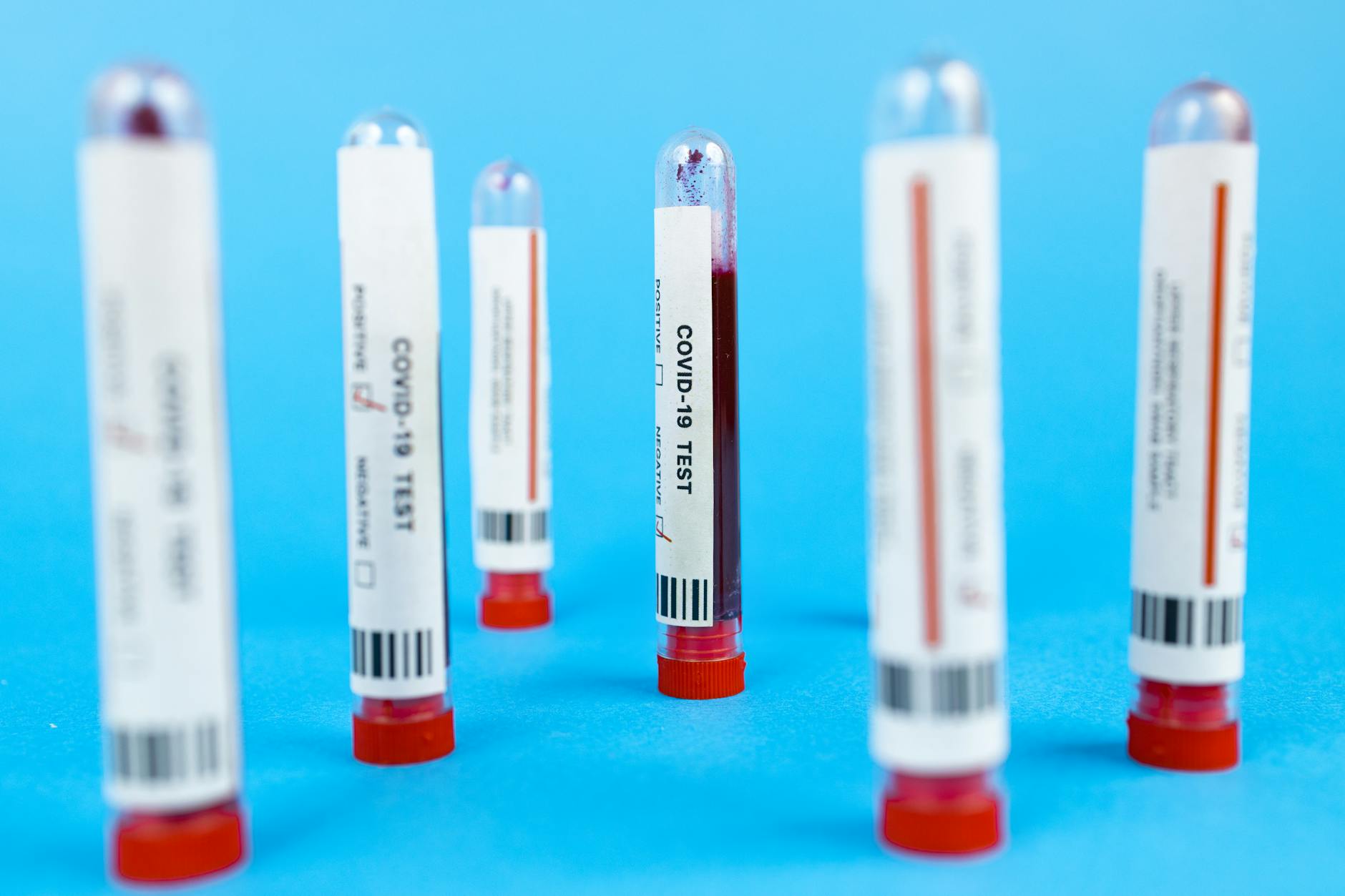
Clinical trials sit at the top of the pay scale for a reason — they ask the most of participants. Phase I trials, which test new treatments in healthy volunteers, pay $2,000 to $5,000 or more and often require multi-day inpatient stays at a research facility, according to PayQuicker. Phase II trials, which involve patients with the condition being studied, pay $300 to $3,000 depending on duration and intensity. Phase IV trials, conducted after a drug is already approved, average around $400 and represent the lowest-paying phase. Vaccine studies fall somewhere in the middle, paying $500 to $2,500 for completing all visits and follow-up requirements, per Velocity Clinical Research. The tradeoff is significant.
Unlike a two-hour focus group, a clinical trial might require weeks or months of participation, blood draws, imaging scans, dietary restrictions, or overnight stays. According to an ASPE/HHS report, 59.5% of U.S.-based clinical research studies offer compensation to participants, but rates vary considerably — from 34.8% to 63.3% depending on trial phase, and from 22% to 90.6% depending on the health condition being studied. So roughly four in ten studies offer no financial compensation at all, relying instead on free treatment access or altruistic motivation. If you’re considering a clinical trial purely for income, scrutinize the time commitment per dollar earned. A Phase I trial paying $3,000 for a week-long inpatient stay works out to roughly $18 per hour — decent, but not the windfall it initially appears. One positive industry trend in 2026: compensation is becoming more digital, more frequent, and more standardized, with large sponsors moving toward portfolio-level frameworks that define pay ranges by study phase, visit type, and procedural burden.
Why Online Surveys Pay Less Than You Think
Online surveys are the most accessible form of paid research, which is precisely why they pay the least. With virtually no barriers to entry and millions of willing participants, the economics push per-survey rates down to $0.50 to $10 for a typical 15-minute questionnaire. That ceiling is real. If you’re earning $3 per 15-minute survey, your effective hourly rate is $12 — below minimum wage in many states. There are exceptions worth knowing about. Prolific, which focuses on academic research, averages $6 to $10 per hour and is generally considered one of the more respectful platforms in terms of researcher-participant dynamics.
Pinecone Research pays a flat $3 per survey, which is above the industry average for the time involved. MindSwarms, which uses webcam-based video responses instead of traditional questionnaires, pays $50 per study. The key factors that push survey pay higher are length, niche demographics, and specialized expertise, according to Survey Police. A survey targeting oncologists about treatment protocols will pay dramatically more than one asking college students about snack preferences. However, the fundamental limitation of surveys as an income source is volume — qualifying for enough high-paying surveys to generate meaningful weekly income is difficult, and most participants report that disqualification rates are frustratingly high. Treat surveys as pocket money, not a side hustle strategy.

What Are Ethnographic and Specialty Studies?
Ethnographic and specialty studies are the least well-known category, but they often pay the highest per-hour rates outside of clinical trials. These include shop-along studies, where participants accompany researchers while shopping and narrate their decision-making in real time, and ride-along studies that observe commuting behavior. Resolution Research is one firm that recruits for these in-person observational formats. Mobile diary studies, where participants log their experiences via an app over days or weeks, typically pay $50 to $200 or more depending on study length, according to PaidStudies.com.
The real money in this category comes from professional and expert interviews. Software engineers, healthcare providers, business executives, and other specialists can earn $150 to $500 or more for 60- to 90-minute sessions, per Respondent. The compensation reflects the difficulty of recruiting people with specific professional knowledge — a hospital administrator’s insights on procurement software are simply worth more to a B2B research client than a general consumer’s opinion on laundry detergent. If you have specialized professional experience, these studies represent the best return on your time in the entire paid research landscape.
Where Is the Paid Research Industry Headed in 2026 and Beyond?
The market research services industry is growing at a 3.6% compound annual growth rate and is projected to reach $116.02 billion globally by 2030, according to The Business Research Company. For participants, this growth translates into more opportunities across all study types, with particular expansion in remote and hybrid formats that emerged during the pandemic and have stuck around because they’re cheaper for research firms to operate. Two trends are worth watching.
First, compensation across clinical trials and higher-end studies is becoming more standardized and transparent, reducing the guesswork for participants trying to evaluate whether a study is worth their time. Second, the most reputable companies increasingly pay actual cash rather than points or rewards systems, according to FindPaidFocusGroup.com. This shift is good for participants — a $100 PayPal payment is worth exactly $100, while $100 in platform points might require a minimum balance to redeem and often expires. If a research company is only willing to pay in proprietary points, that’s a signal to look elsewhere.
Conclusion
The seven types of paid research studies span a wide range of commitment and compensation. Online surveys offer the lowest barrier to entry but pay accordingly, while clinical trials and professional expert interviews sit at the top of the pay scale for participants willing to invest more time or who bring specialized knowledge. Focus groups, mock juries, taste tests, product testing, and ethnographic studies fill the middle ground, each with distinct formats, screening criteria, and pay structures. Your best strategy depends on what you’re optimizing for.
If you want consistent, low-effort income, survey panels and quick usability tests provide a trickle of cash with minimal scheduling hassle. If you want higher payouts and don’t mind less frequent opportunities, focus groups and mock juries offer strong hourly rates. And if you have professional expertise or are comfortable with medical research, clinical trials and expert interviews deliver the highest compensation per session. Start by signing up for two or three platforms across different study types, fill out your demographic profiles completely, and respond quickly when you’re invited — the best-paying studies fill fast.
Frequently Asked Questions
How much do paid research studies pay on average?
It depends entirely on the study type. Online surveys pay $0.50 to $10 each, focus groups pay $75 to $300 per session, mock juries pay $150 to $300 per day in person, and clinical trials can pay $2,000 to $5,000 or more for Phase I studies. The common thread is that studies requiring more time, specialized knowledge, or physical presence pay significantly more.
Are clinical trial payments taxable income?
Yes. The IRS considers clinical trial compensation taxable income. If you earn $600 or more from a single research organization in a calendar year, you should expect to receive a 1099 form. Keep your own records regardless of the amount, since all income is technically reportable even if you don’t receive a tax form.
How do I find legitimate paid focus groups near me?
Start with established recruiting firms like Fieldwork, Schlesinger Group, and Focus Pointe Global, which operate facilities in major U.S. cities. Online, platforms like Respondent, User Interviews, and Prolific connect participants with researchers directly. Avoid any company that asks you to pay a fee to join — legitimate research firms never charge participants.
Can I make a full-time income from paid research studies?
It’s extremely difficult. Most participants treat research studies as supplemental income, earning a few hundred dollars per month. The limiting factors are qualification rates, study availability in your area and demographic profile, and scheduling unpredictability. Professionals who earn the most tend to combine multiple study types and are registered on many platforms simultaneously.
How long does it take to get paid after completing a study?
Focus groups and mock juries typically pay within a week, often on the same day for in-person sessions. Online surveys and usability tests usually process payments within a few days to two weeks. Clinical trials vary widely — some pay per visit, while others pay a lump sum at study completion, which could be weeks or months later. Always confirm the payment timeline before agreeing to participate.